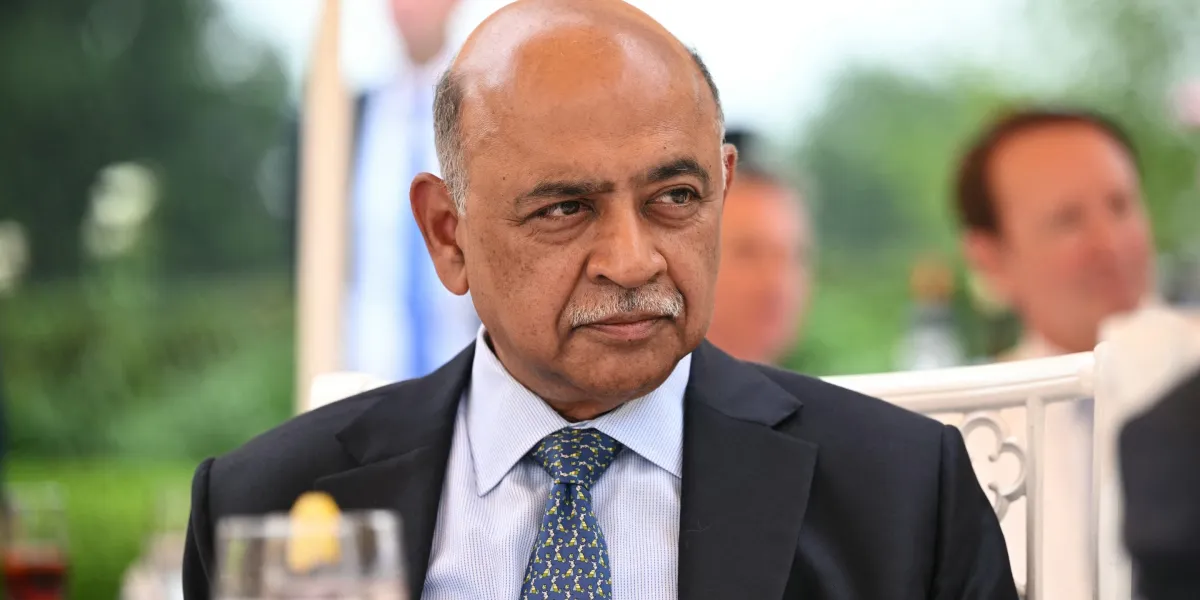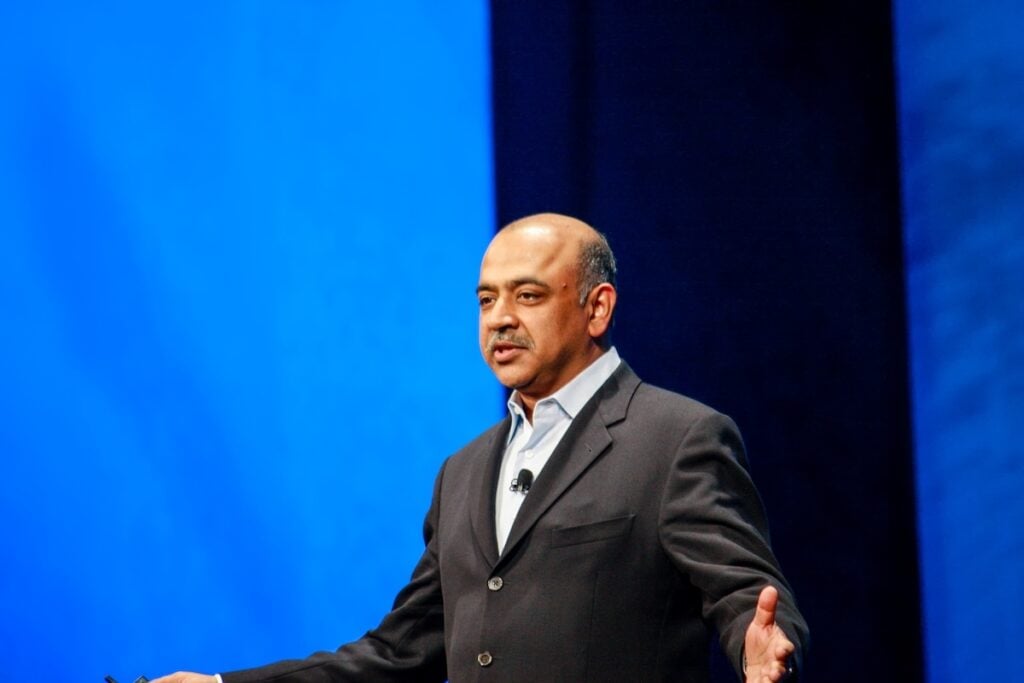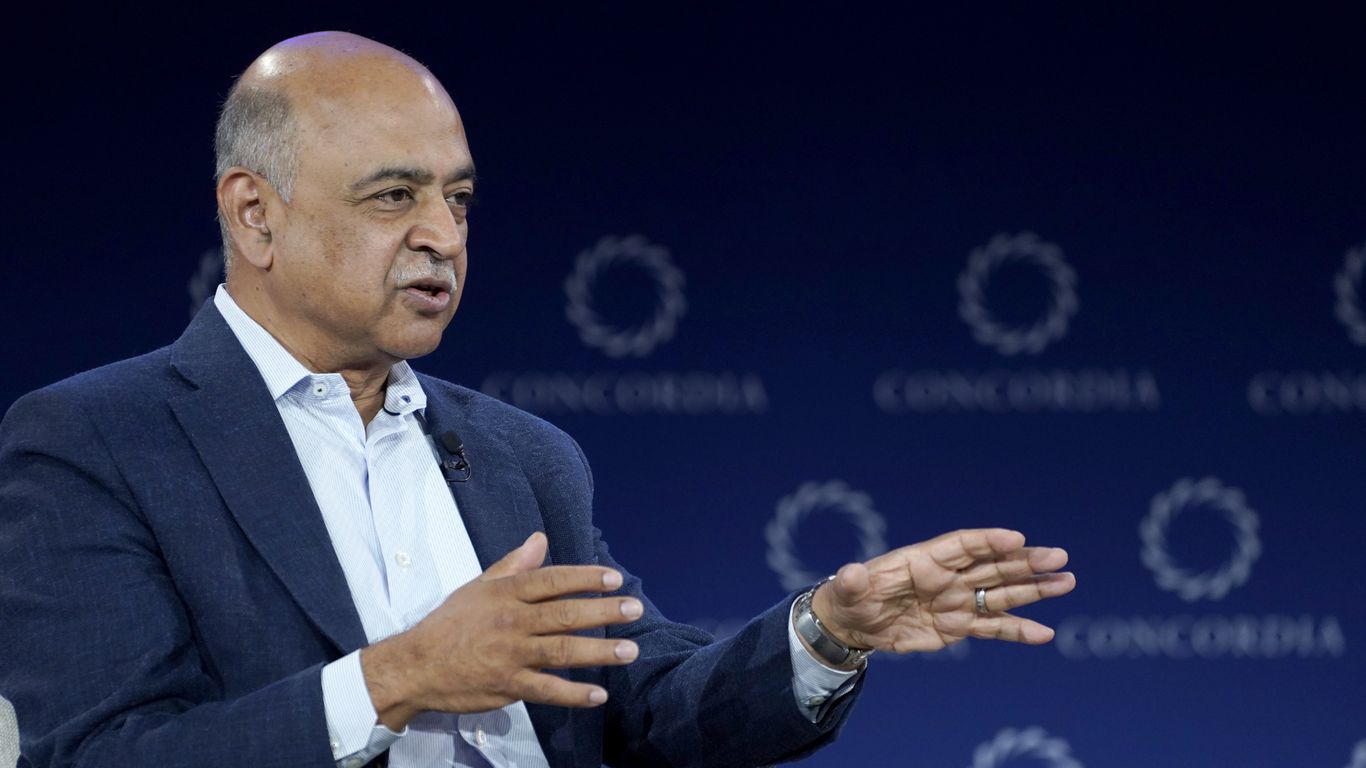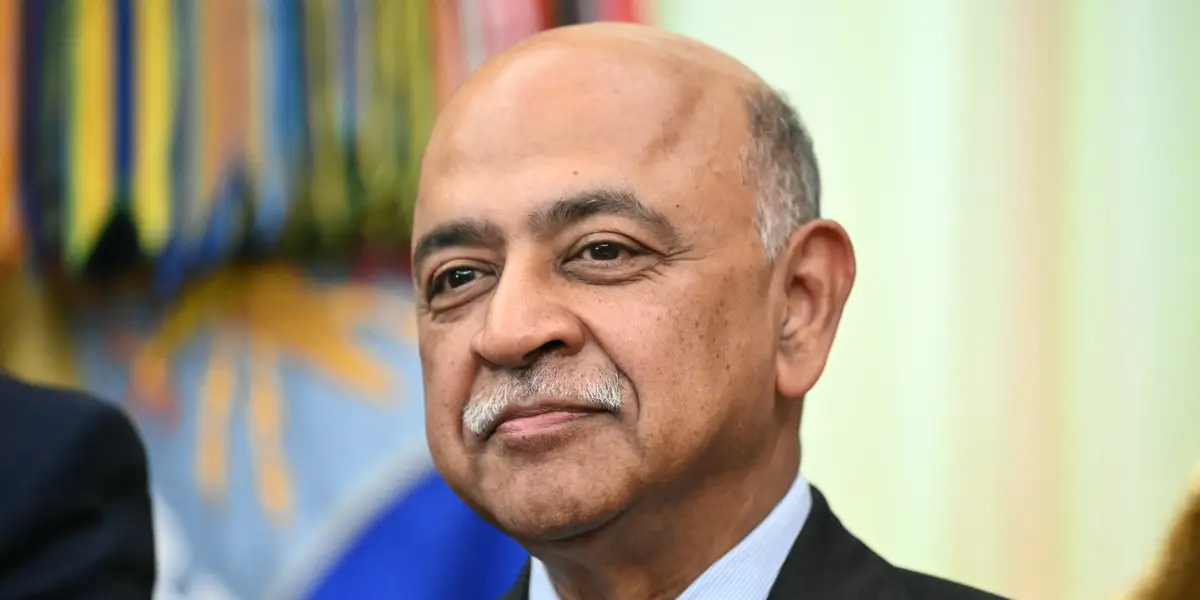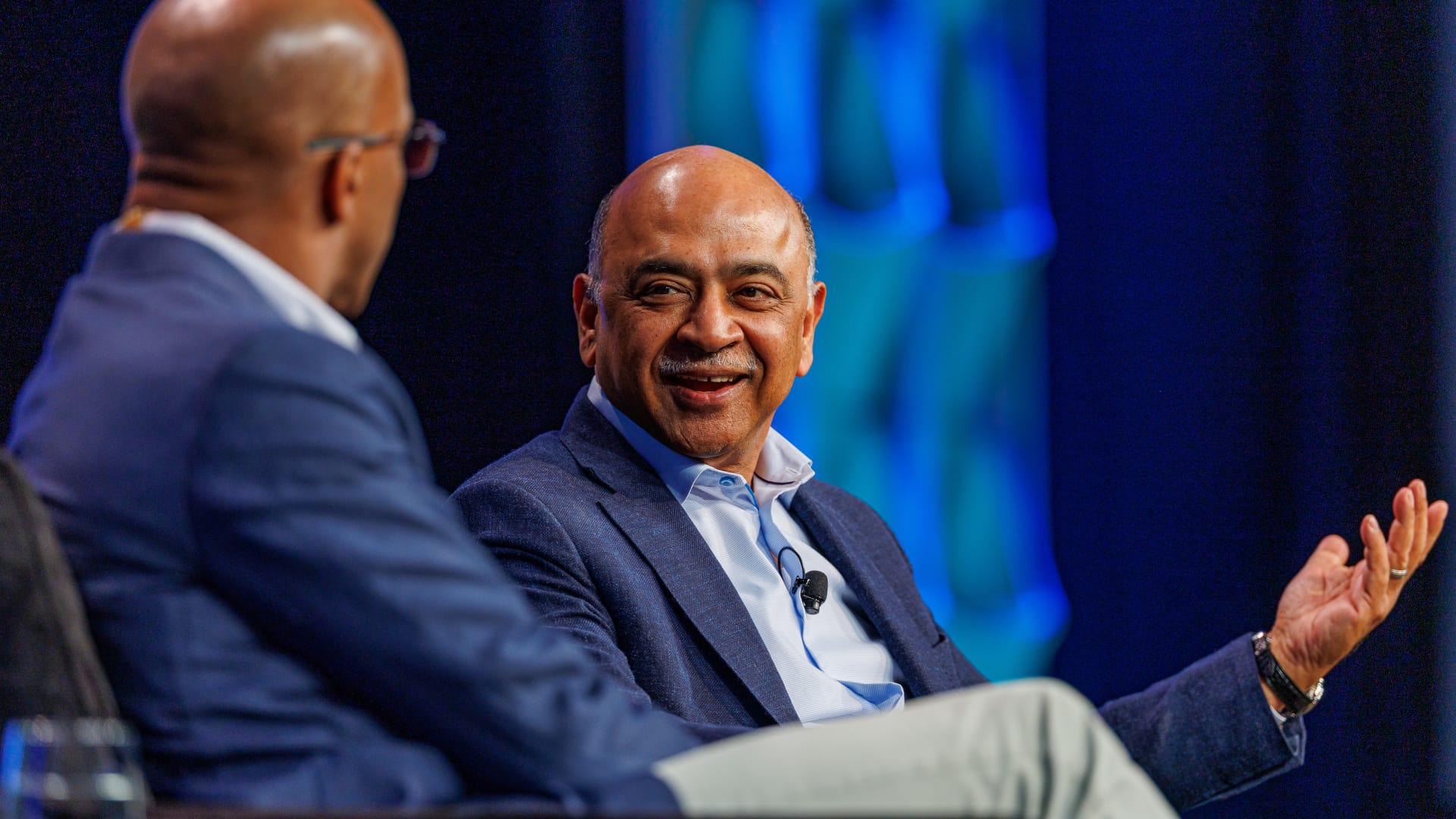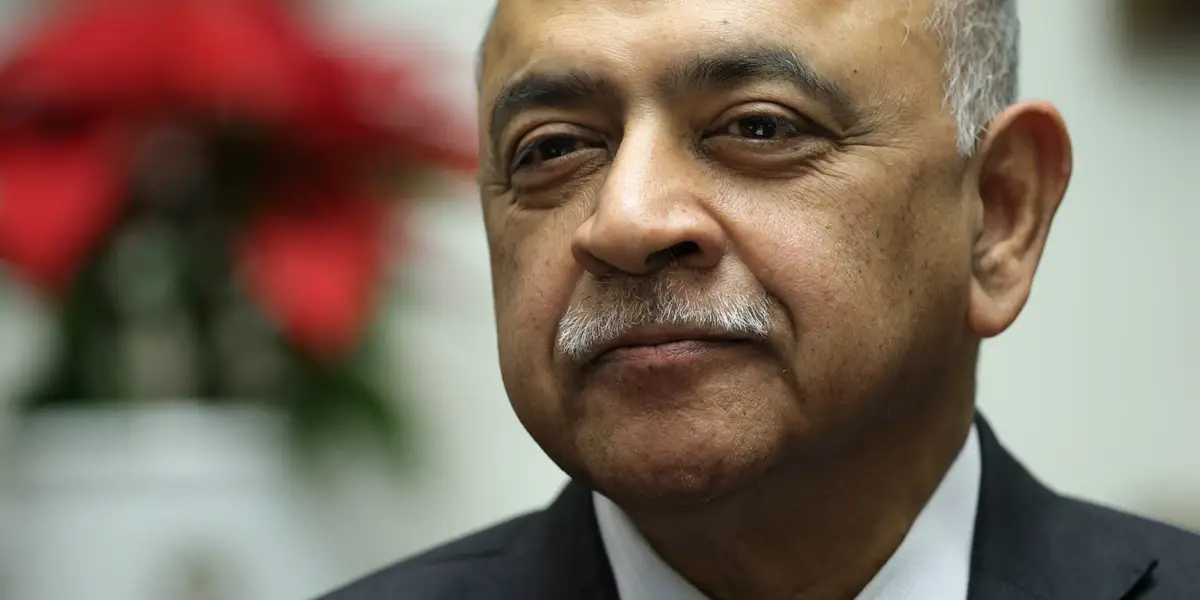
IBM CEO Arvind Krishna is widely credited with turning the company around since becoming CEO in 2020.
Alex Wong/Getty Images
When IBM delivered bad news on Tuesday, CEO Arvind Krishna didn't look for someone else to blame. He owned it.Krishna, who is widely credited with turning IBM around since becoming CEO in 2020, said in a letter to investors that clients had redirected quarterly capital spending toward scarce infrastructure. Management underestimated the scale of that shift, contributing to the company's second-quarter shortfall."These conditions require our teams to execute perfectly, and this quarter we faltered," Krishna wrote. "We did not adapt and move quickly enough, and numerous large deals failed to close on the timelines we expected."Though IBM's shares tanked in response, current and former tech executives told Business Insider that other leaders ought to emulate Krishna's candor. Owning a setback can strengthen a CEO's credibility longterm, they said, by showing that management understands the problem and is prepared to address it."He will develop more trust among his shareholders and employees and customers by being transparent," said former Cisco CEO John Chambers.Leaders can gain more credibility from how they handle setbacks than from their successes, he added, though they need to move quickly. They should explain what happened, acknowledge what did not go as planned, and outline how they intend to get the business back on track."Rule 101 on setbacks: speed and be very visible," Chambers said.