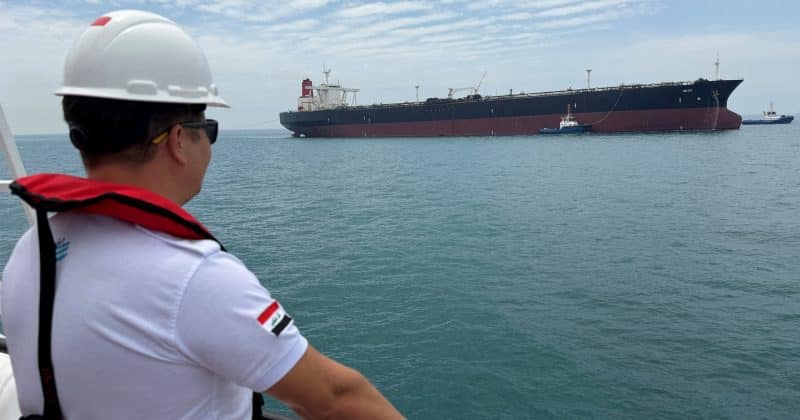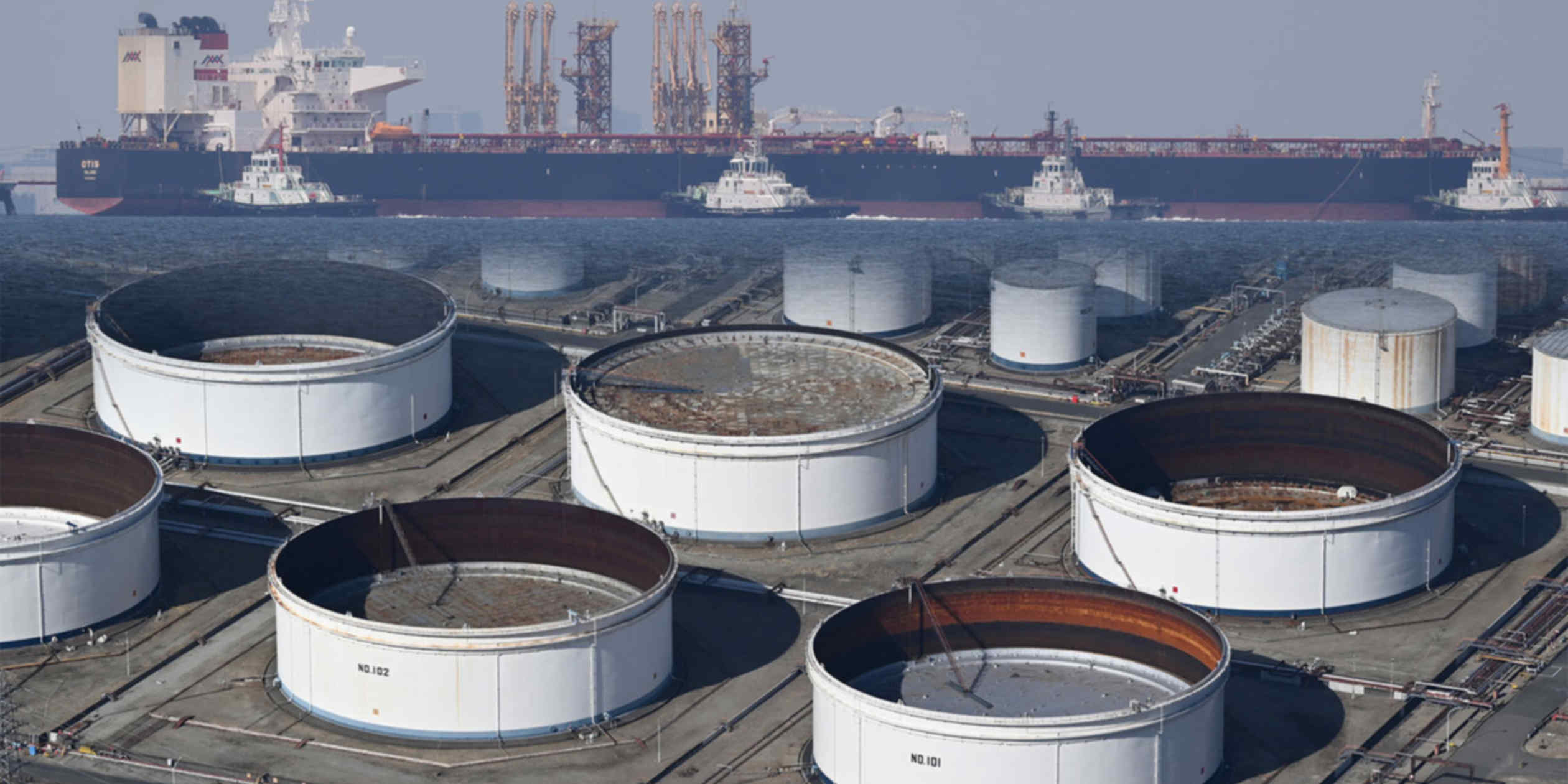
Japan is about to receive one million barrels of Mexican crude oil in July 2026, its first shipment from Mexico since 2023. The deal, struck between Japanese Prime Minister Sanae Takaichi and Mexican President Claudia Sheinbaum, is a direct response to the US-Israeli conflict with Iran that has turned the Strait of Hormuz into a geopolitical minefield.
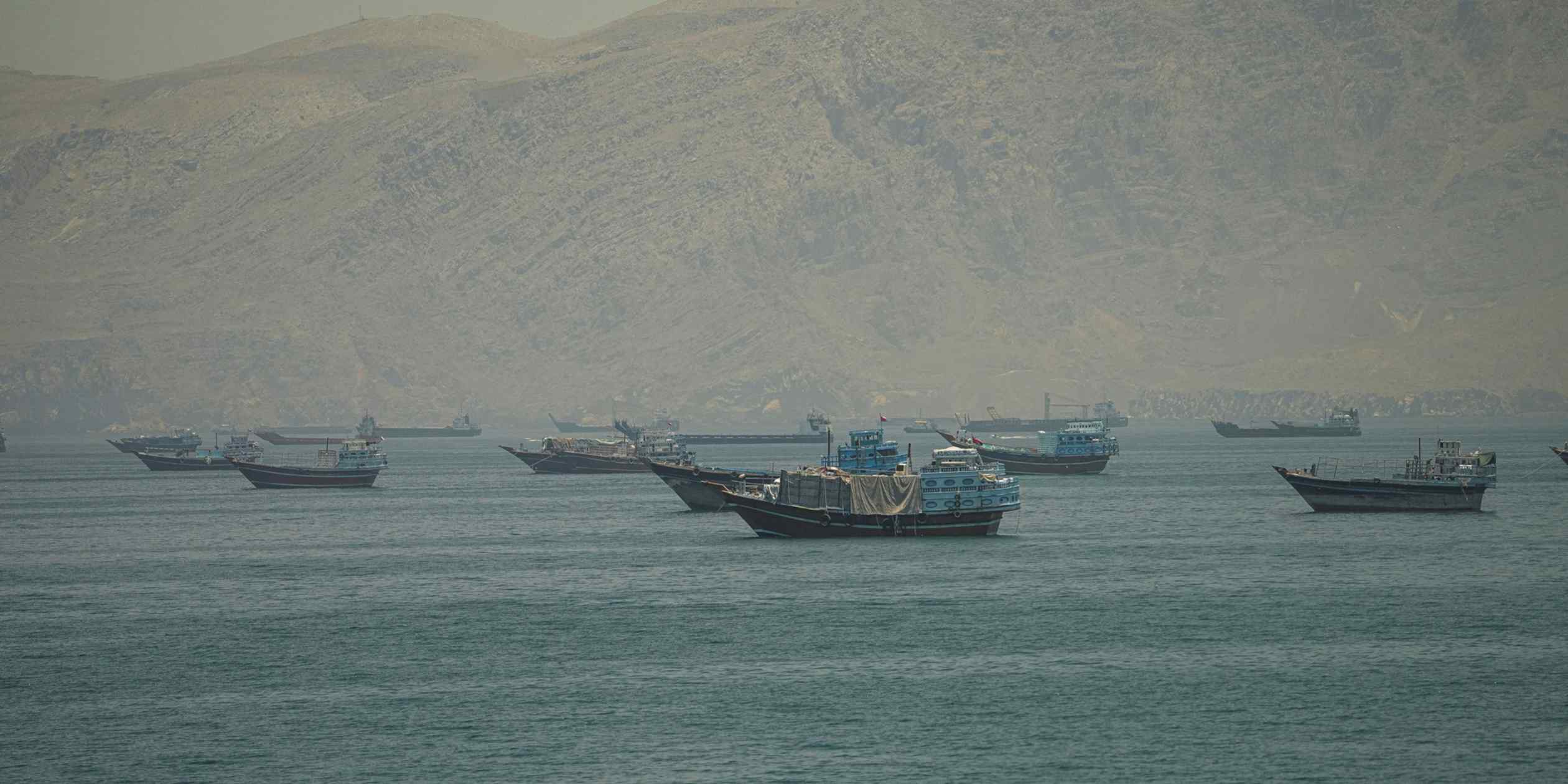
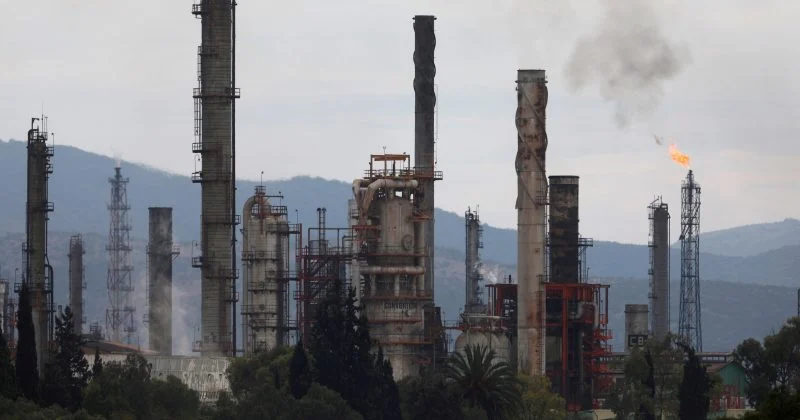
The Strait of Hormuz handles roughly a fifth of the world’s oil supply on any given day. When the Iran conflict escalated in late February 2026, that chokepoint went from “theoretically risky” to “actively concerning” for every nation whose economy runs on imported energy.
Discussions between Takaichi and Sheinbaum began in April 2026, roughly two months after the conflict escalated. The resulting agreement for one million barrels of Mexican crude isn’t enormous by volume, but the signal it sends is louder than the cargo itself.
Brent crude has climbed over 22% year-over-year as of mid-July 2026, with prices recently ranging between $79 and $85 per barrel. That price spike reflects exactly the kind of supply anxiety that pushed Japan toward diversification in the first place.
The macro ripple effects crypto traders should watch