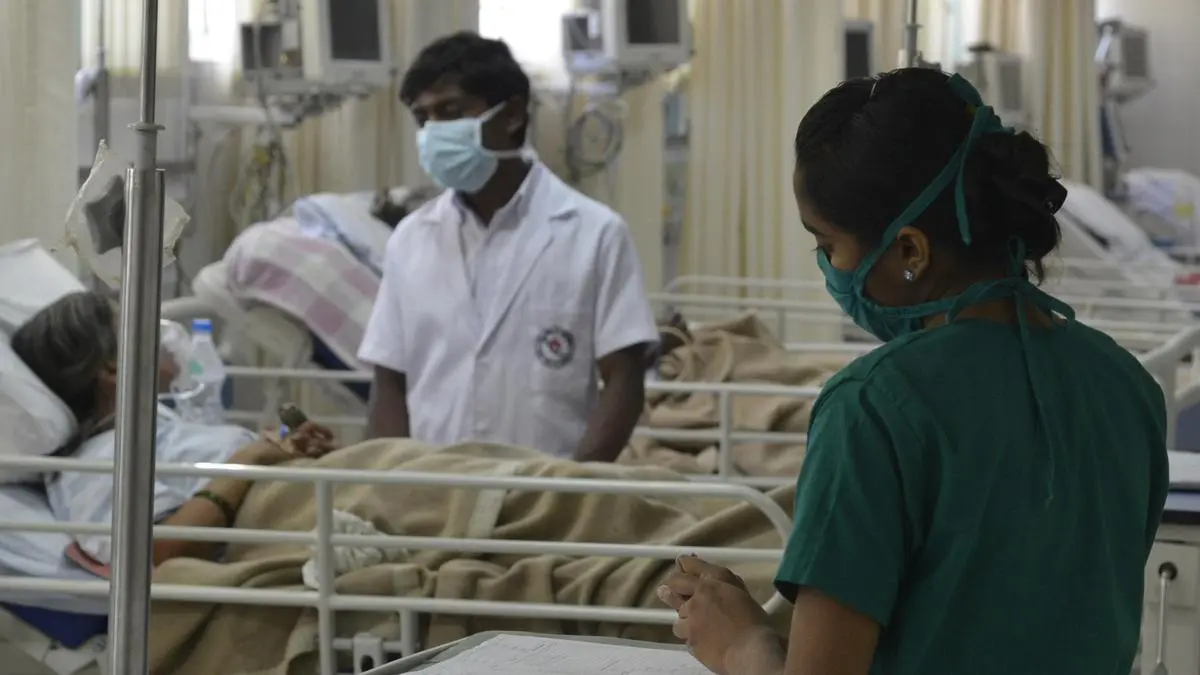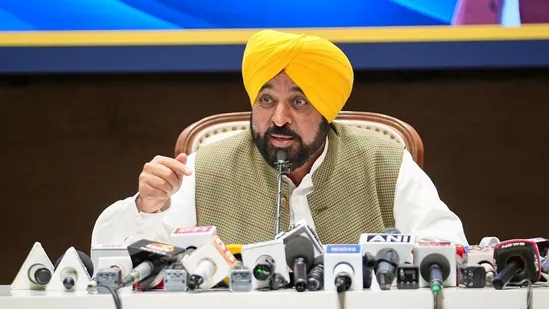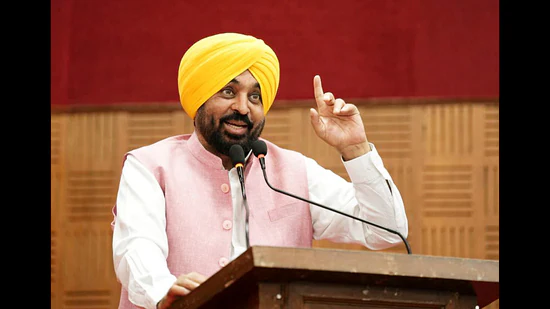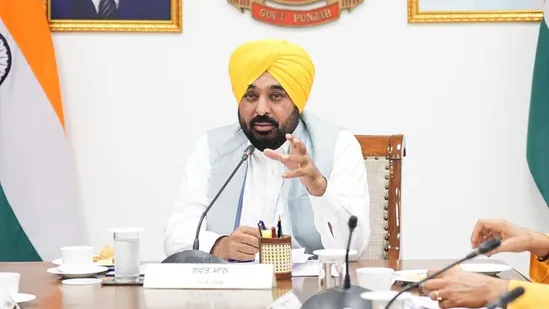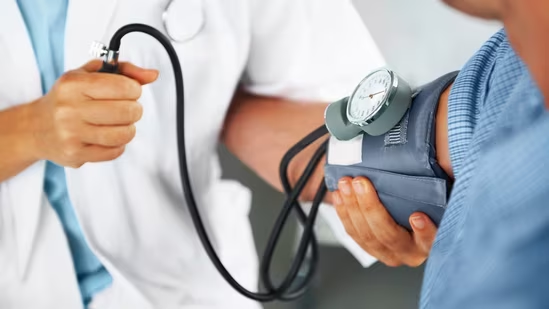
Punjab's Mukh Mantri Sehat Yojna has provided cashless stroke treatment worth ₹4.15 crore to 914 patients over the past six months, according to data released by the State Health Agency (SHA), highlighting the scheme's role in supporting patients requiring emergency neurological care.Chief minister Bhagwant Mann (HT_PRINT)The data showed that acute stroke and acute ischemic stroke accounted for the largest share of treated cases, while hemorrhagic stroke cases were fewer but involved higher treatment costs per patient. Acute ischemic stroke recorded 48 cases, with treatment expenditure amounting to ₹14.27 lakh.According to the SHA, a significant portion of the expenditure went towards advanced diagnostic imaging, including CT scans and MRI, along with procedures such as tracheostomy and blood transfusions required in complex cases.Health and Family Welfare Minister Dr Balbir Singh said timely treatment is crucial in stroke cases and financial constraints should not delay medical care."Healthcare schemes like Mukh Mantri Sehat Yojna aim to ensure that patients receive timely treatment when they need it the most. In emergencies like stroke, every minute matters, and financial support can make the difference between delay and lifesaving care," he said.Stroke occurs when blood supply to a part of the brain is blocked or when a blood vessel ruptures, leading to damage of brain cells due to oxygen deprivation. Common risk factors include high blood pressure, diabetes, high cholesterol, smoking, obesity and unhealthy lifestyle habits.Senior Consultant Neurosurgeon and Spine Surgeon Dr Harman Sobti of Sobti Neuro Super Speciality Hospital and Mohandai Oswal Hospital, Ludhiana, said early diagnosis and prompt intervention significantly improve recovery outcomes."Stroke is a medical emergency where early diagnosis and treatment can decide the patient's future. Advanced imaging, intensive monitoring and timely intervention have changed outcomes," he said, adding that people should immediately seek medical attention if they notice symptoms such as facial drooping, sudden weakness or difficulty speaking.He also said prevention through blood pressure control, diabetes management and healthier lifestyle choices remains the most effective way to reduce stroke risk.
Punjab's Mukh Mantri Sehat Yojna provides ₹4.15 crore cashless stroke treatment to 914 patients in 6 months
Punjab's Mukh Mantri Sehat Yojna has revolutionized stroke treatment by providing ₹4.15 crore in cashless support to 914 patients. | India News
327 words~1 min read