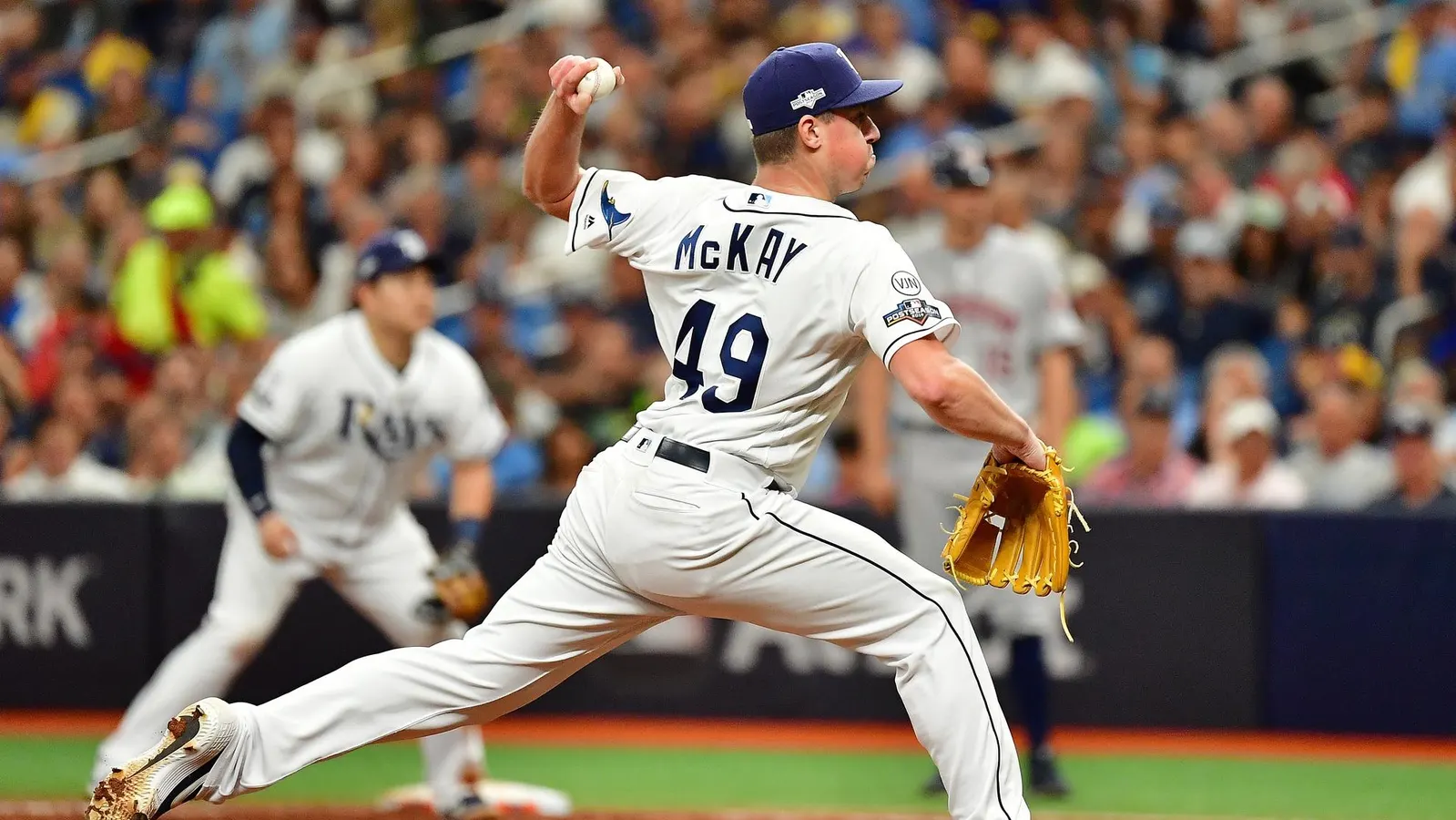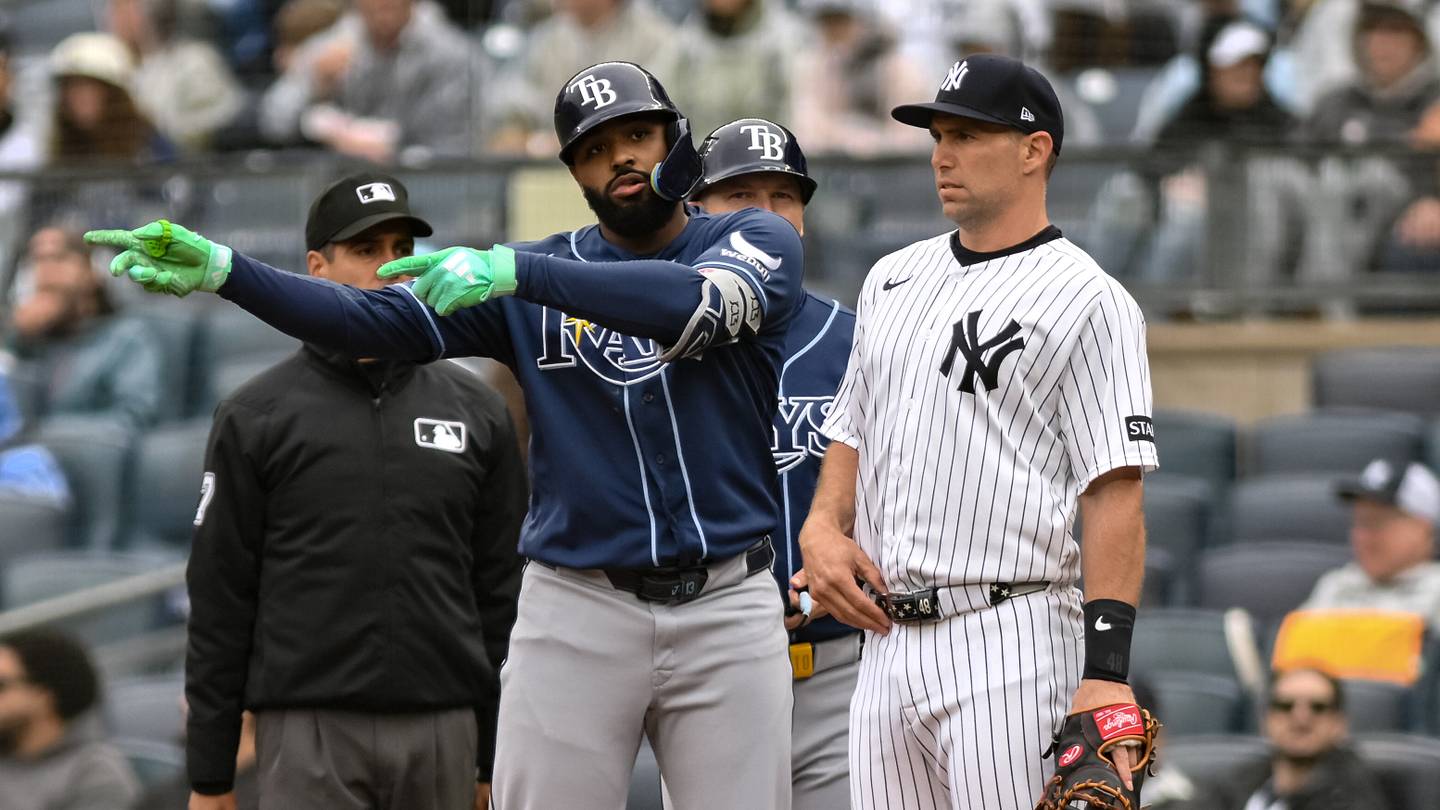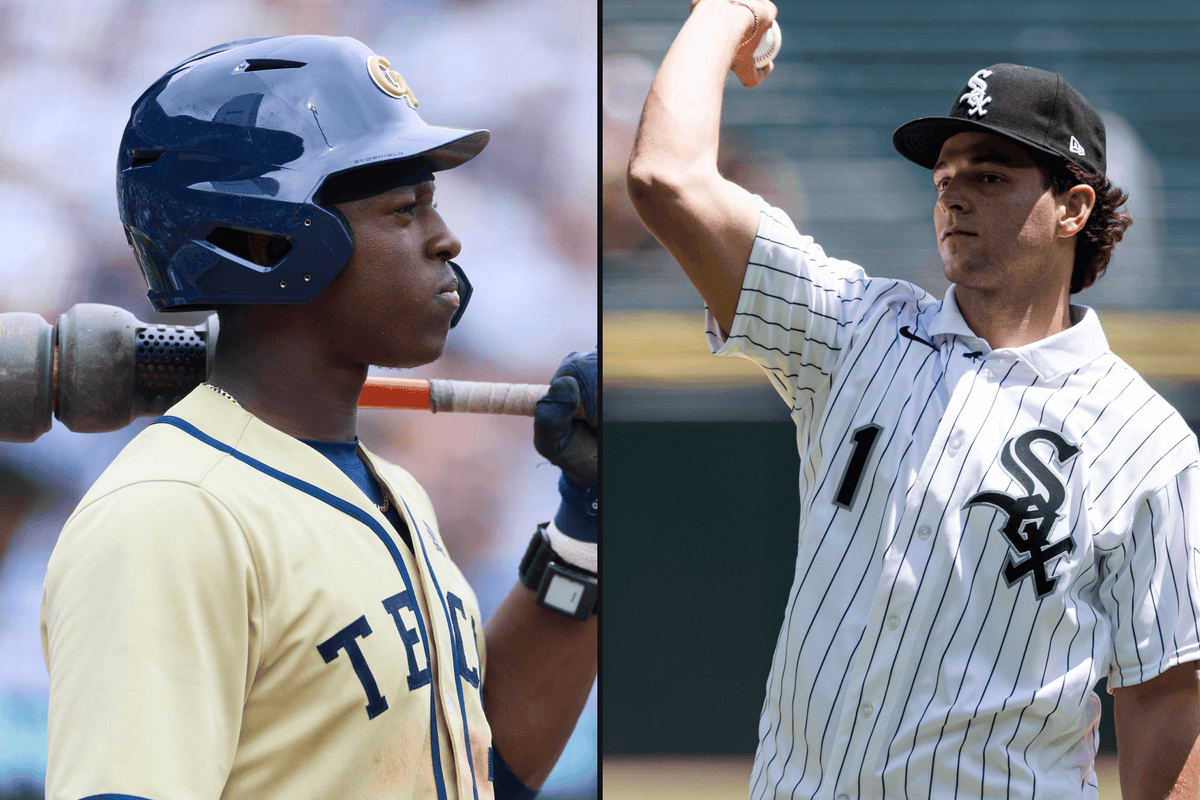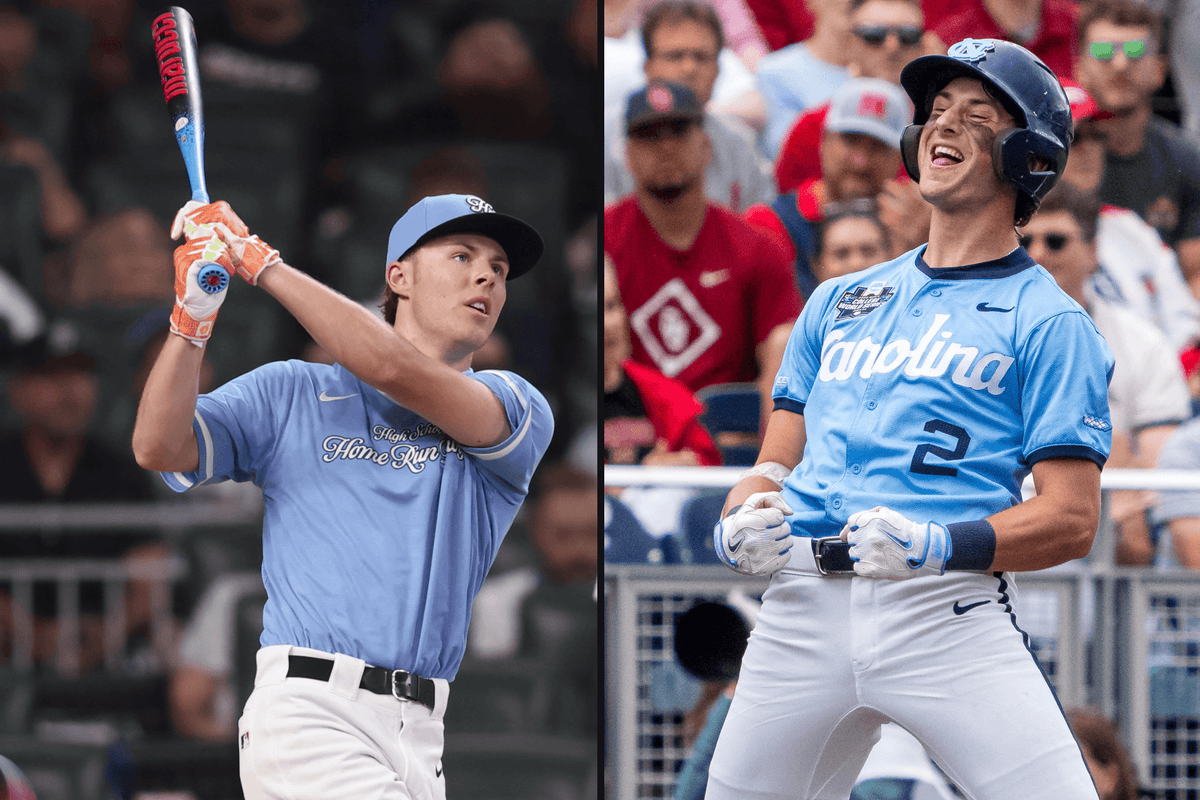
With the 2026 MLB Draft now in the books, here’s my look at each American League East team’s draft class. I focus on the top 10 rounds, since those are the picks that count toward each team’s bonus pool. Players taken after the 10th round may be paid up to $150,000 without counting against the bonus pool, so the best prospects taken in Rounds 11 through 20 rarely end up signing.The number in parentheses after each player’s name indicates the round in which he was taken; CBA equals Competitive Balance Round A, which comes after the first round, and CBB equals Competitive Balance Round B, which comes after the second round. A C after a number indicates that it was a compensation pick between rounds for losing a free agent or failing to sign a draft pick last year. Note that New York Yankees and Toronto Blue Jays were both assessed 10 pick penalties for exceeding the luxury tax thresholds, so their “first-round” picks came during the CBA and second rounds, respectively.Which teams fared well during MLB Draft Day 1?Keith LawI do assume that all players taken in the top 10 rounds will sign, although each year there are roughly two to five players who don’t for various reasons. I also skipped over college seniors who were probably selected as money-saver picks, agreeing to bonuses under their slot figures so their teams can go over slot for other players, or other players who appear to be more about under-slot bonuses than major-league potential.Finally, I don’t give letter grades for drafts. I think that whole idea is absurd. The best I can offer is to tell you that I think teams did well or not well based on what I know about the players available at those picks, and in general, I prefer to talk about specific picks rather than try to sum up months of work for each scouting department in a pithy line or two.(Note: Scouting grades are on a 20-80 scale. Click here for my top-100 draft prospect list.)Baltimore Orioles: Booth leads class that is heavy on upsideThe Orioles got their guy, taking Mississippi high schooler Eric Booth Jr. (1) with the No. 7 pick, landing one of the fastest players in the draft. He’s stronger than the typical speedster and could end up a 20/40 or 20/50 guy at his peak. His hit tool lags somewhat, and he needs to loosen up in the box. He’s fast enough to be a plus defender in center with some work.Eric Booth Jr. was one of the fastest players in the draft and also has power potential. (Lauren Witte / Clarion Ledger / USA Today via Imagn Images)NC State outfielder Ty Head (2) struck out less than 9 percent of the time this year and walked more than twice as often as he struck out, but he doesn’t hit the ball that hard and managed just a .291/.460/.556 line despite that plate discipline. He probably needs to swing the bat more, and also to try to get his legs involved to do more damage. He could be a regular if he does so.Kansas right-hander Dominic Voegele (3) has big stuff but gets hit hard, with 16 homers allowed in 97 innings, half on his mid-90s fastball. He can spin the ball a bit and both his slider and curveball could be above-average. It’s a lower arm slot and kind of a long, slingy arm action that I don’t think is easy for him to repeat. He has the size and arm strength to start, but the bullpen may be the final destination here.Kevin Roberts Jr. (4), another Mississippi high schooler, was a surprise to me, as I thought he might head to Florida off a rough spring where scouts reported he was having trouble making contact. He’s a plus runner with plus raw power, like his former high school teammate Konnor Griffin, and the swing itself is fine. He doesn’t have a lot of rhythm at the plate or much timing, and he was waxed by sliders at showcases last year. He’s a long-term play, and you have to believe you can develop a raw athlete like him into a hitter to get to that power/speed upside.Heartland Community College shortstop Jimmy Anderson (5) has a chance to stick at the position and good bat-to-ball skills, with somewhat surprising power this year — he hit 26 homers, 12 more than anyone else on his team. He projects to hit for average rather than for plus power.Alabama left-hander Zane Adams (6) went undrafted last year as an draft-eligible sophomore, then had a better season across the board in 2026. He boosted his fastball velo by about 1 mph, and tightened up his changeup to make it a real out pitch with a whiff rate over 50 percent this year. He could use a better third pitch but has back-end starter potential.Xavier right-hander Ryan Piech (7) comes from a high slot, getting some ride on a 90-94 mph fastball, with a little curveball and changeup. He did miss a lot of bats in the Big East this year, and is slightly young for the class as a redshirt sophomore who’ll turn 21 next month.Will Plunkett (8) is a lanky high school shortstop from Westchester County, N.Y. He has a compact swing and good feel to hit, with limited power right now. He’s committed to SUNY-Binghamton, which may be the first time I’ve written that phrase.Boston Red Sox: Schaffner a reach in the first; bat-to-ball skills front and centerThe Red Sox took UNC shortstop Jake Schaffner (1) with their first pick, one of the biggest reaches in the first round, as I had him 79th on my board. I do like the bat, as he almost never misses when he swings at strikes, and there may be a little more pop in there with some swing help. He’s a plus runner but isn’t good at shortstop, so center field may be a better option. He’d have to turn into an elite hitter for average for this pick to work out.Owen Hull was college teammates with the Red Sox’s top pick, Jake Schaffner. (Steven Branscombe / Imagn Images)Schaffner’s teammate Owen Hull (CBB) could turn into a 20-homer guy if he just pulls the ball in the air more. He has strength and a solid eye, with good contact skills, but puts the ball on the ground too often.Wisconsin high school shortstop Jace Mataczynski (3) is a good athlete with great bat-to-ball skills — you may be noticing a trend here — but he’s barely filled out his frame. He could be a plus defender at shortstop. I thought he’d end up at Auburn and let his body develop, with first-round upside in three years, so that’s something.Florida Atlantic left-hander Kide Adetuyi (7) missed the 2024 season while recovering from Tommy John surgery, then barely pitched — and not that well — in 2025, but 2026 was a breakout year for him as he struck out 27.5 percent of batters he faced while walking barely over 10 percent in 13 starts. He’s heavy on the slider, which is a 55, but tops out at 92 and probably has to go to relief.Cal Poly left-hander Josh Volmerding (8) is 6-foot-4 with a low-90s fastball, above-average slider and a pretty fast arm. He missed a chunk of the spring with a knee injury and threw only 27 2/3 innings with a 6.51 ERA, but wasn’t much better as a sophomore.Georgia high school outfielder Martin Shelar (9) can run and has some bat speed, getting his front foot down super late with zero load in his swing. I don’t see how he’s going to drive the ball at all like this.Right-hander Kaleb LaFavor (10) was a bit of a pop-up guy late this spring, since Iowa high schools don’t play their seasons until the summer. He’s up to 96 and is very projectable at 6-foot-7, with a body that looks like he’s all legs. It is a wild delivery, as violent as it gets, with a big head whack and a short stride. He’s committed to Iowa.New York Yankees: Dietz a strong get at 35; Duncan, Brock have upsideNote: The Yankees had a 10-pick penalty for their first-round selection (pick No. 35)The Yankees scored one of my favorite picks from Day 1 with Arkansas left-hander Hunter Dietz (1), landing my No. 12 prospect at pick 35. Dietz missed nearly all of the last two seasons — springs and summers — while recovering from a stress fracture in his elbow. He posted every week this year, working with a new delivery that isn’t ideal but that he repeated more than well enough to show above-average control. He’s up to 98 and sits 94-96 with three breaking pitches in his arsenal, and he goes right after hitters with power to everything, although he put away the curveball in his last outing of the season in the NCAA Regionals. I think he’s an above-average starter if he can handle the workload.Hunter Dietz barely pitched his first two seasons at Arkansas due to injury, but he stayed healthy and dominated as a junior. (Jake Crandall / Advertiser / USA Today via Imagn Images)The Yankees then took Canadian high school left-hander Sean Duncan (2), who I had on the edge of the first round on my board even after word broke that he needed Tommy John surgery. He has a great delivery (for all the good that did him), is up to 95, shows a plus changeup and can spin a pretty good curveball. As high school pitching goes, he checks just about every box for being worth the risk.Oklahoma catcher/outfielder Brendan Brock (3) is a 70 runner and makes a lot of hard contact but has had contact issues, including a whiff rate on pitches in the zone of 21 percent. If he makes more contact, he could be an above-average regular at either position.Cal State Fullerton outfielder Paul Gutierrez-Contreras II (4) turns 21 in early August, just barely getting over the draft-eligibility line, and feels like a sleeper in this class given his combination of a 50 percent hard-hit rate and above-average swing decisions. He does keep his hands well out from his body in his setup and load, but other than that it’s a simple approach and he handled better velocity when he saw it.Bear Harrison (5) was Texas A&M’s catcher this year and was hit by 23 pitches. He has above-average or better power and plenty of arm, but he’s really big and slow back there. At the plate, there’s too much swing and miss to project him as more than a backup. His older brother is Milwaukee Brewers left-hander Kyle Harrison.East Tennessee State right-hander Michael Harpster (7) has a potential out pitch in his cutter, and the fastball can get up to 95-96. I think he could be a really good two-pitch reliever, although he did start for ETSU and was solid beyond a higher walk rate than you’d like (11.3 percent).Right-hander Luke Pettitte (8) has baseball bloodlines — I mean, do I need to tell you who his dad is? He didn’t pitch this year after 2025 Tommy John surgery, although he did DH this year for Dallas Baptist and hit 16 homers in 186 plate appearances. He has a 45 fastball but very good feel for a changeup and enough of a slider that he only threw his fastball about a third of the time in 2025. It’s a conventional, easy delivery, and he does throw strikes. He was announced as a two-way player.Tampa Bay Rays: Emerson’s hit tool stands out in class heavy on young talentThe Rays had the second pick and took the top high school player in the draft in shortstop Grady Emerson (1), an advanced hitter with a solid left-handed stroke who looks like he’ll come into above-average power and projects to stay at short. He hit well against the best pitching last summer and fall at showcases. In the field, he has good hands and actions to make up for below-average foot speed. If you like him — and I will go out on a limb and assume that the Rays do — you believe it’s a future plus hit tool.Taj Marchand is a shortstop like Rays’ top pick Grady Emerson, but he projects to move to third base eventually. (Tracy Proffitt / Four Seam Images via Associated Press)Shortstop Taj Marchand (CBA) has a funky swing that he makes work, as he’s a good hitter for contact despite leaking over his front side, and he got stronger last winter to add power. I don’t think he’s going to stick at shortstop, even before we consider Emerson’s existence, but he could be really good at third.Liberty right-hander Ben Blair (2) has outstanding control that is at least plus, even though he has a fast arm and an unusual delivery in which he doesn’t always stay on top of the ball. He’s 94-96 with some ride and has an above-average slider, using a cutter and occasionally a changeup for lefties. He looks like a reliever but his results say starter.Dana Hills (Calif.) HS right-hander Gavin Giese (3), son of former big-league reliever Dan Giese, is a fastball/changeup guy whose velocity ticked up this spring. He has a high slot without an average breaking ball and tends to be very north-south.Outfielder Collin Bland (4), a high schooler from Tennessee, was a shocker of a pick. He’s listed at 6-foot-4, 240, and is all power, with a near 40 percent whiff rate at showcases last year and no defensive value. He’s committed to Vanderbilt, so I imagine he would be signing at slot or above.Right-hander Owen Kramkowski (5) had a 6.13 ERA for Arizona this spring. He threw a ton of strikes (4.5 percent walk rate) with a straight 92-93-mph fastball and an above-average slider. He’s quite thin and could still get stronger and add velocity, but it’s a weird arm action with very abrupt arm acceleration that the Rays might have to simplify for any strength gains to matter. He’s a long way from starterdom.Virginia left-hander Kyle Johnson (6) was a two-way player for the Cavaliers, 94-96 off the mound and up to 98, with the slider and changeup above-average, but his command was poor and he got hit harder as he was stretched out late in the season. If you told me a year from now he would be the best prospect from this class, I wouldn’t think you were crazy.Georgia high school right-hander AJ Rice (7) is short (5-foot-11) and has a ton of effort to the delivery and some cross-body action because of how he lands. He’s in the low 90s but can really spin the ball, which I assume is the real draw for Tampa. He’s committed to Auburn and he’s short, so of course he gets compared to Tim Hudson.Right-hander Griffin Long (8), another Georgia high school product, is an interesting projection guy. He has the rudiments of three pitches and a solid delivery, as well as the advantage of youth as he turned 18 about two months before the draft. He’s committed to Kennesaw State.Mississippi high school outfielder Tai Jones (9) is strong with power but very raw and stiff in the box. He’s also limited to left field. He was committed to a junior college, so isn’t likely to command a large bonus.Georgia Tech right-hander Tate McKee (10) is 91-93 with a decent slider, working with a very short arm action. He gives up a lot of hard contact and doesn’t have even average command to mitigate it.The Rays took one big shot after the 10th round, with Fresno-area right-hander Logan Georges (11), a TCU commit who’s 92-95 with a 55 slider and a good body and delivery, definitely a third-fourth rounder on talent alone, and probably not an easy sign.Toronto Blue Jays: Carlon a find at 39; Brick a cornerstone of the classNote: The Blue Jays had a 10-pick penalty for their first-round selection (pick No. 39)The Blue Jays only picked three times on Day 1, but they made the most of those selections.Cole Carlon looks like a steal at the 39th pick. (Joseph Rondone / USA Today via Imagn Images)They got a first-round arm at pick 39 in Arizona State left-hander Cole Carlon (1), who I think is a mid-rotation starter. He’s 93-98 with a plus slider, a promising changeup that he needs to use more and an average curveball. He throws strikes and goes right after hitters, which resulted in allowing 14 homers in 83 innings, but 11 of them were solo shots because he doesn’t give in to hitters. I’m a big fan as long as he uses the changeup more often.Oregon shortstop Ryan Cooney (3) is a high-contact hitter with fringy power, starting out the year at shortstop for the Ducks and then ending it at second base, which is probably his long-term position, if he’s a regular. He makes excellent swing decisions and enough medium-hard contact to see him hitting for average, enough to maybe be an everyday player.They landed the No. 32 player on my board, Will Brick (4), with their fourth-round pick. He’s a Tennessee high school catcher with a plus arm, solid-average or better receiving, and the agility behind the plate to be an above-average blocker, as well. He’s hit well for contact with flashes of above-average power, although his bat speed is just average and he might have some trouble with better velocity. He reclassified from the 2027 draft, so he just turned 18 a month before the draft.Brick is going to take up most of the Blue Jays’ draft bonus pool. They went mostly with college seniors in rounds 5-10. The exception was Dean West (7), UCLA’s outfielder and frequent leadoff hitter, who hit a disappointing .277/.418/.417 this spring but runs well and has good bat-to-ball skills. He’ll be 22 next month.Toronto also took Maryland infielder Brayden Martin (11), who whiffed on pitches in the zone less than 3 percent of the time this year and hit .352/.488/.449 with just two homers.
AL East 2026 draft report cards: Rays bet on upside; Red Sox stretch with first pick
The AL East draft hauls featured two top-10 picks and plenty of intrigue.
3,025 words~14 min read