Potter sees the CO2 Battery and other LDES technologies as a good fit for addressing the twin problems of ensuring utilities have resource adequacy and meeting load growth from data centres and electrification.
It’s the space, he says, “where energy and power collide with AI, the intersection of those two, where electrons are driving tokens, securing the capacity and the interconnections to unlock load growth.”
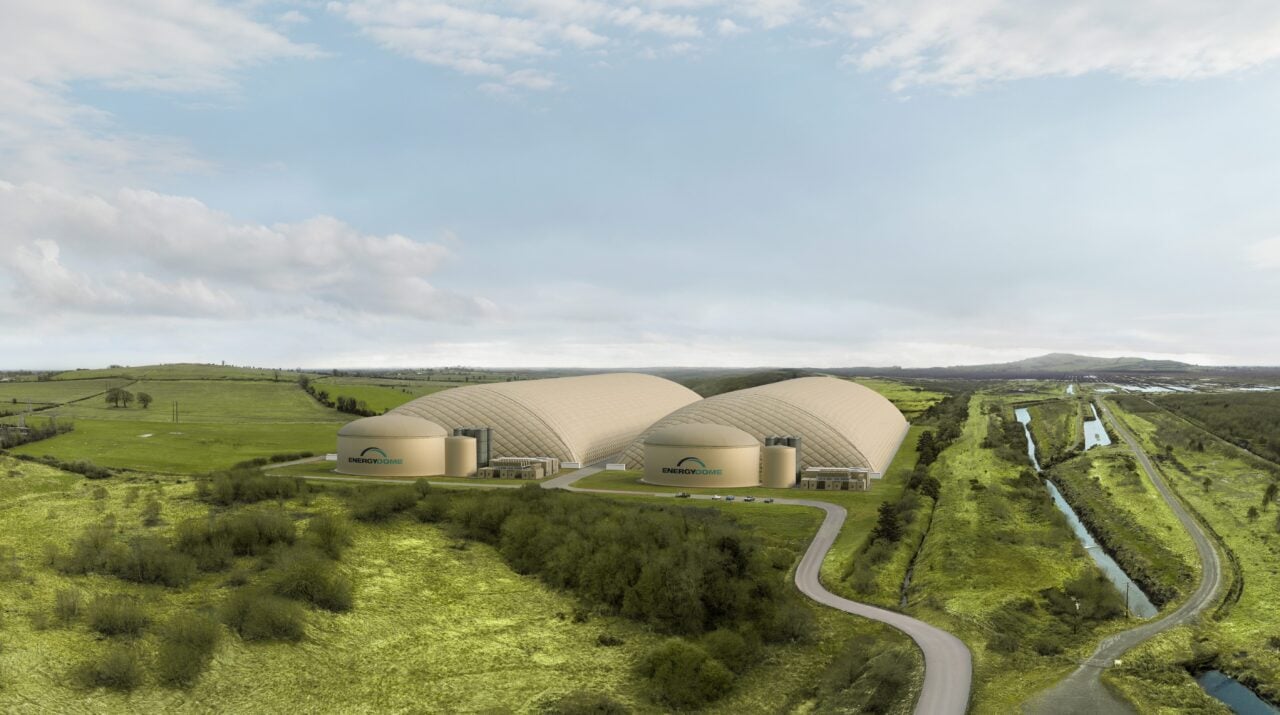
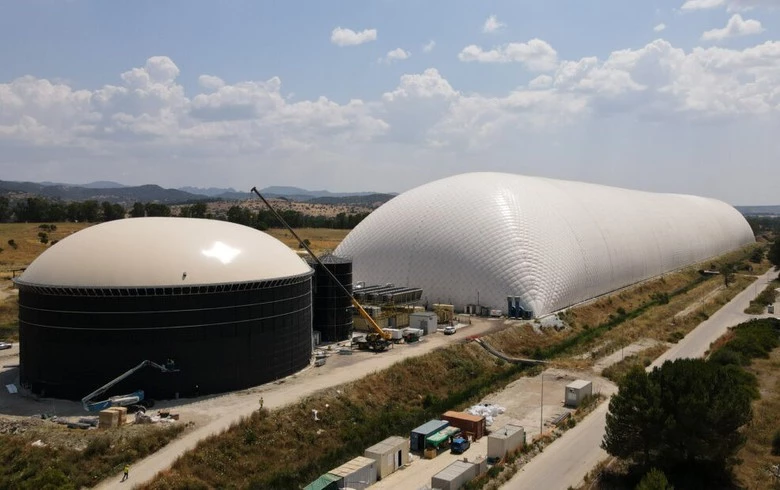
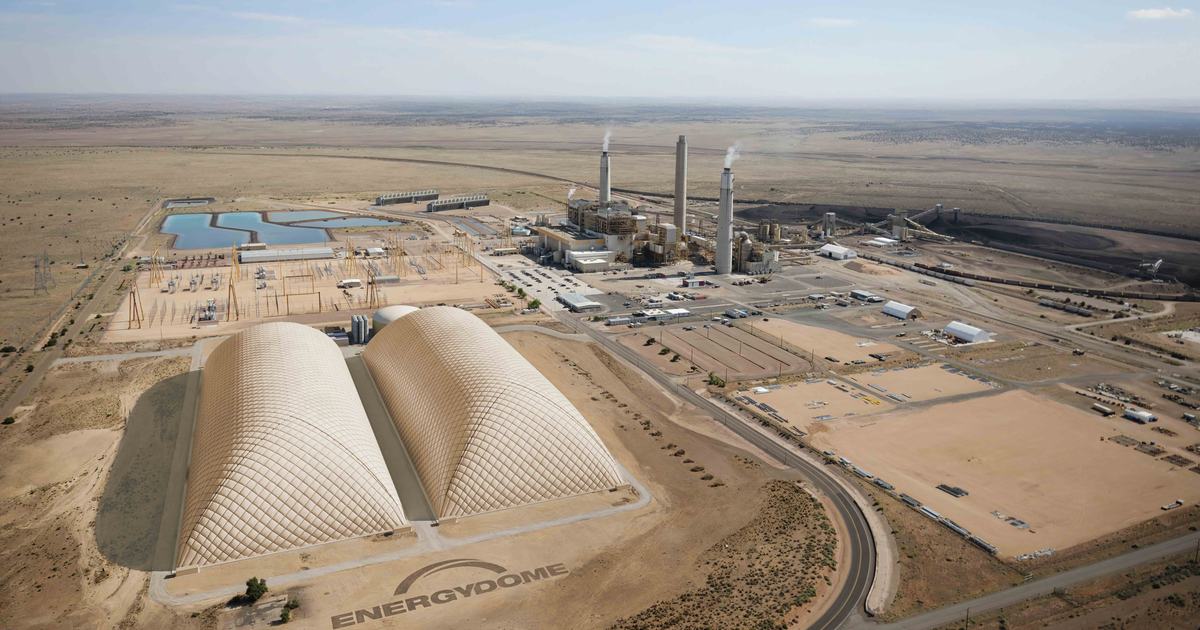
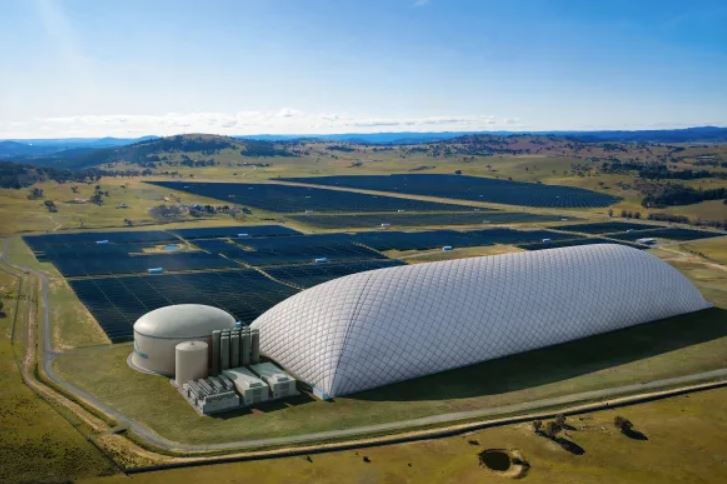
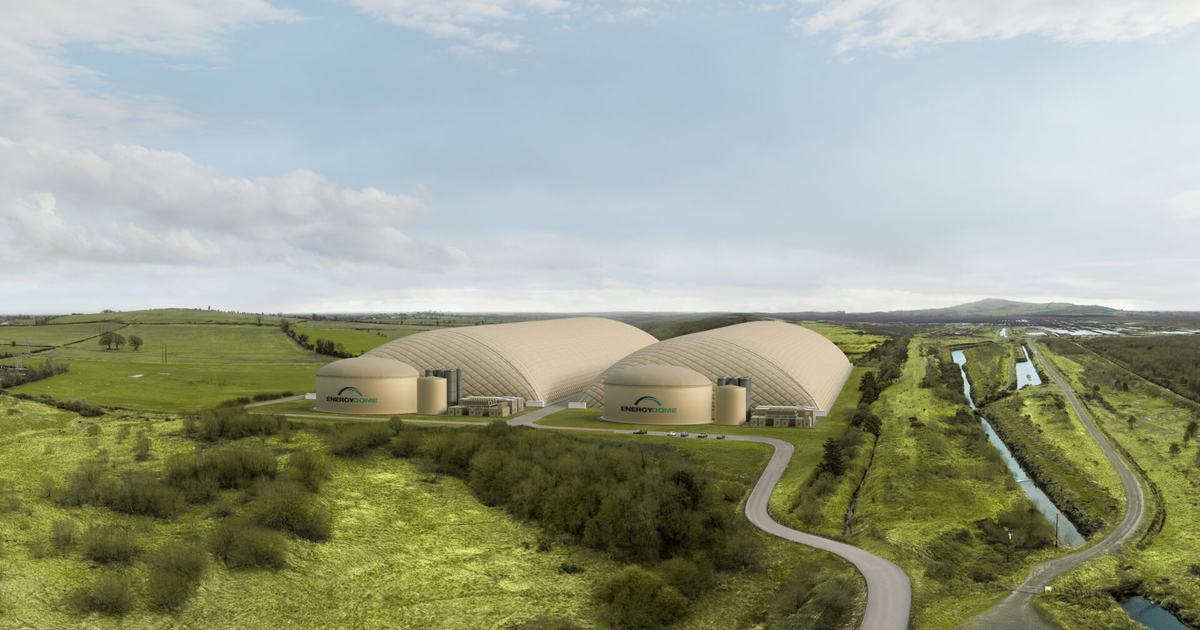
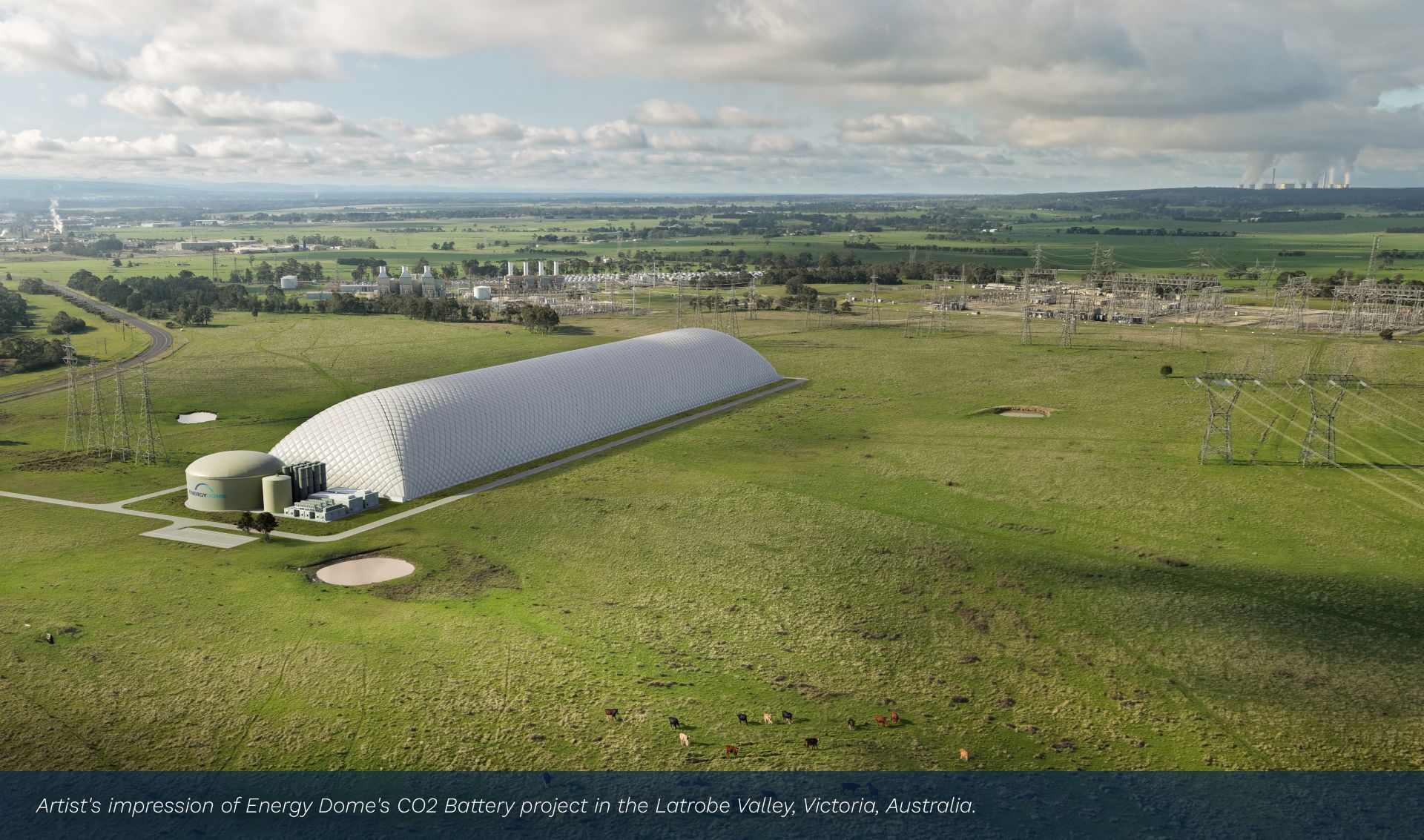
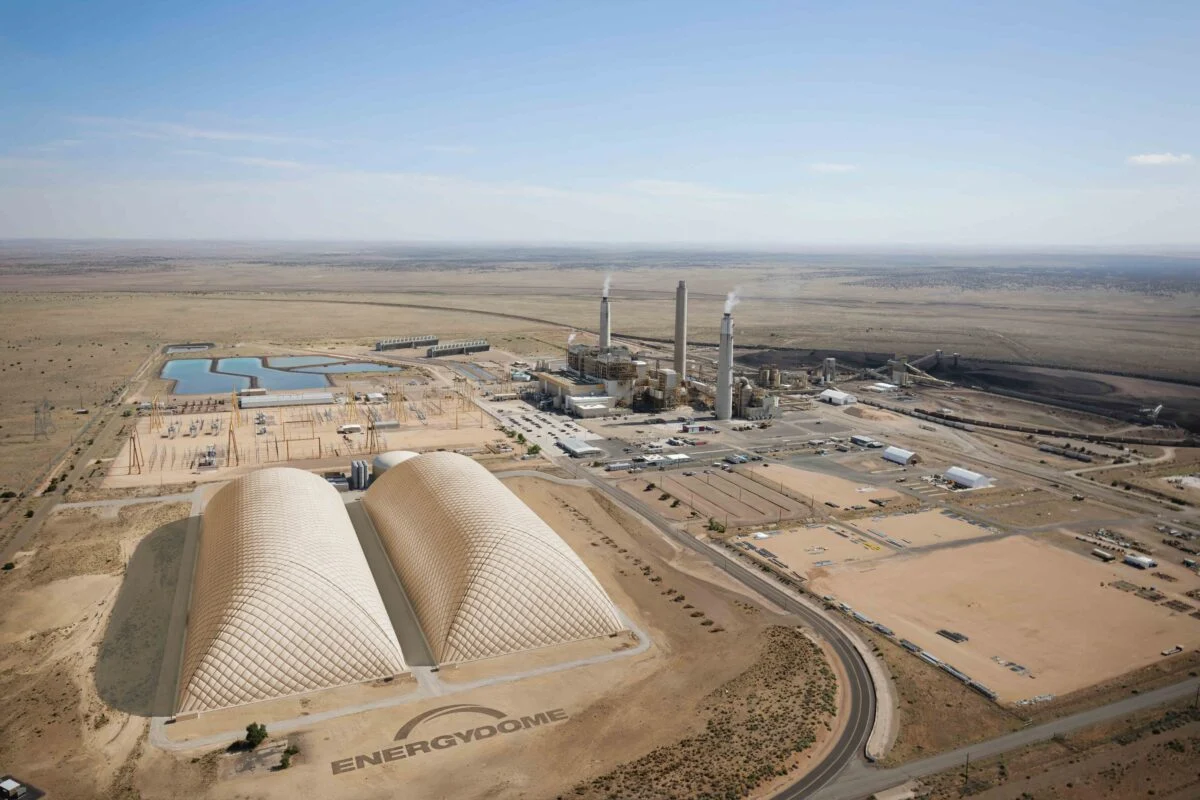
As regular readers of Energy-Storage.news will know, Energy Dome’s CO2 Battery uses electricity to compress carbon dioxide gas during charging, then releases the stored energy by expanding the CO2 and driving it through turbines to discharge.
The company claims that the closed-loop thermodynamic process makes the technology safe and suitable for long-duration energy storage (LDES) applications at scale, while the CO2 Battery is constructed using off-the-shelf components that are abundant and engineering and manufacturing techniques are drawn from existing disciplines.
Different tolling agreement structures for Arizona and Ireland projects