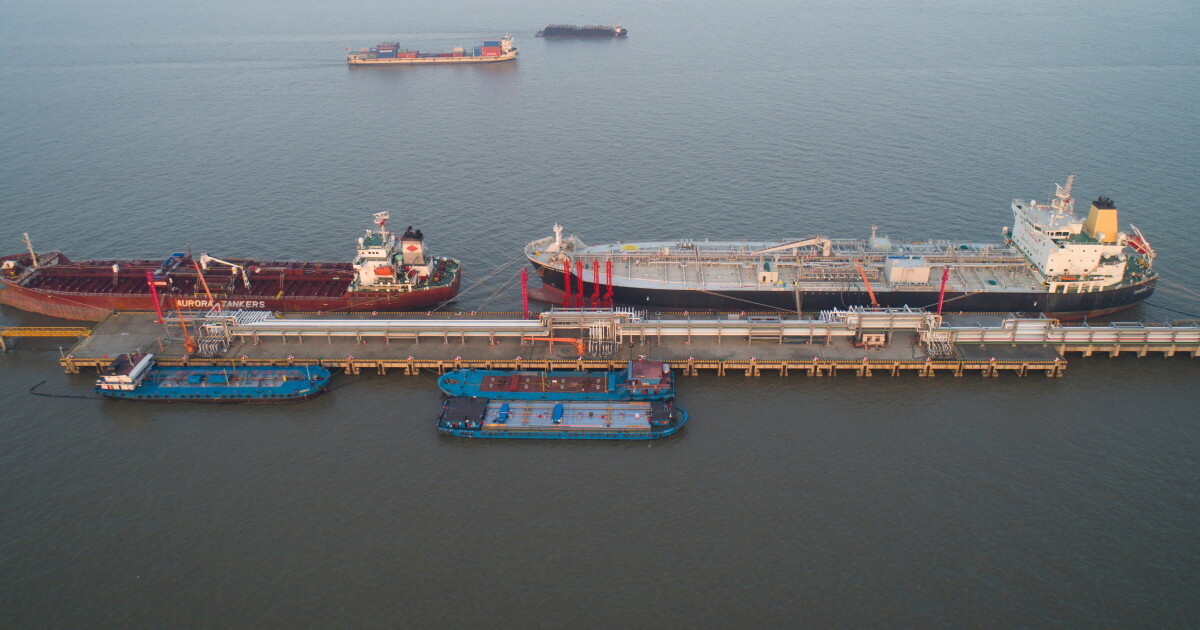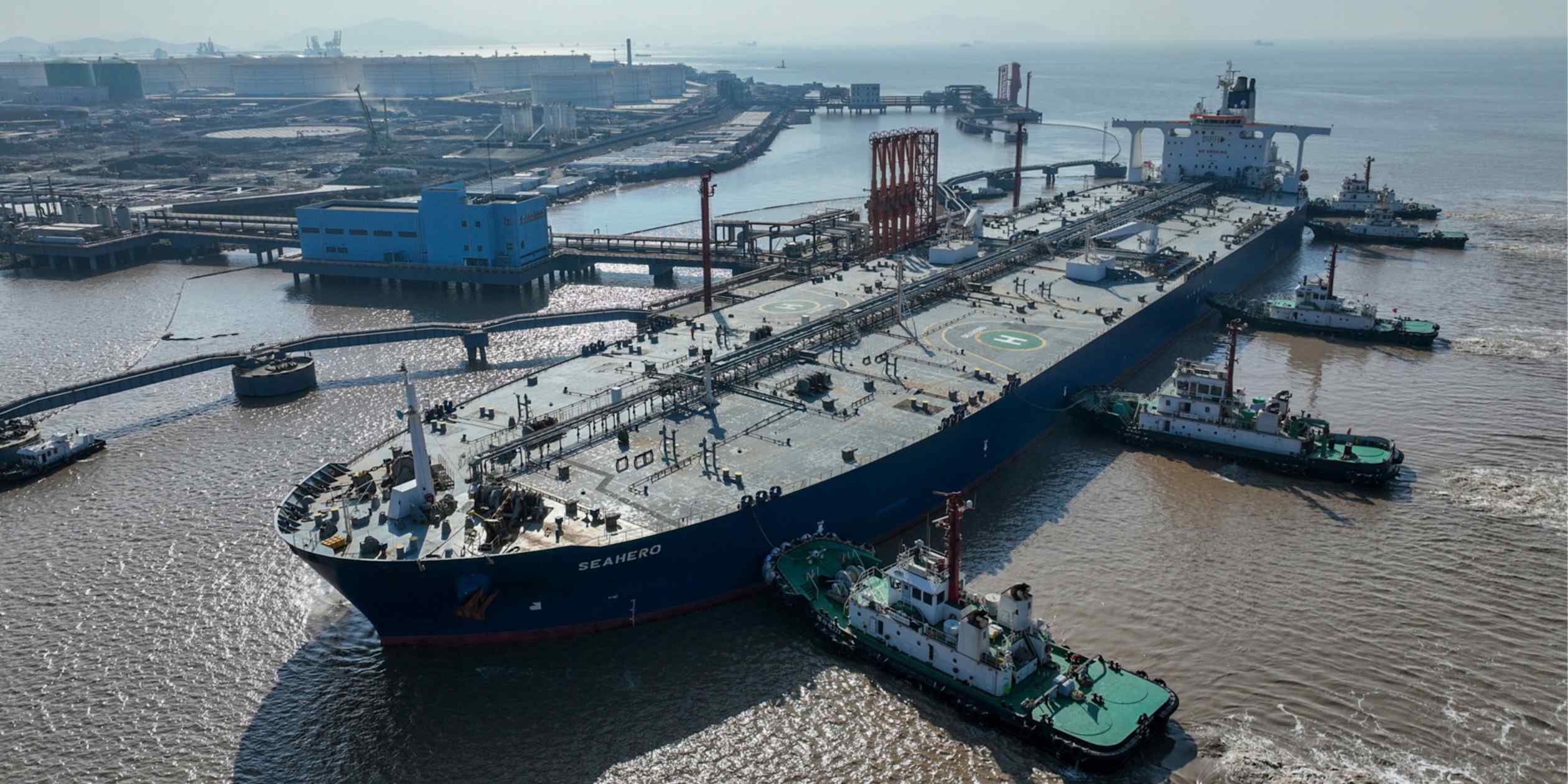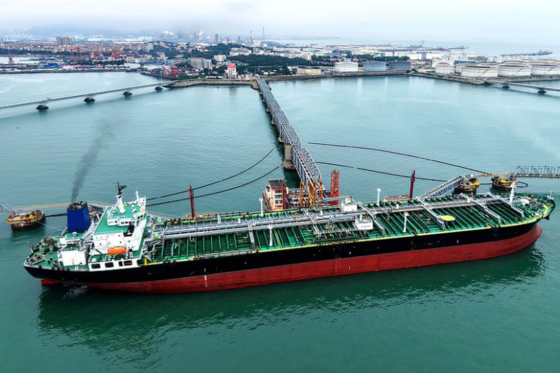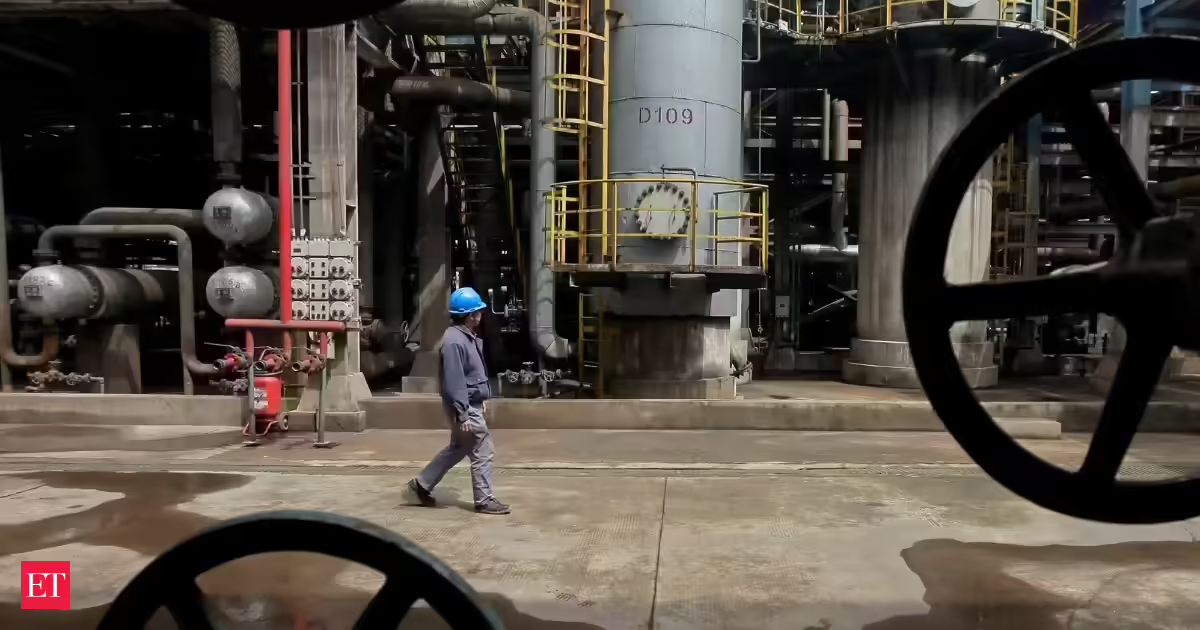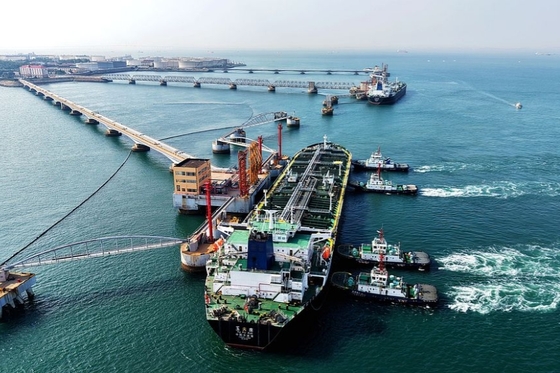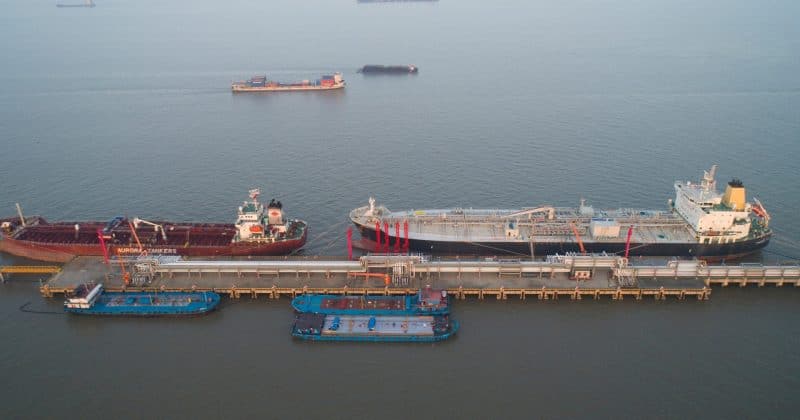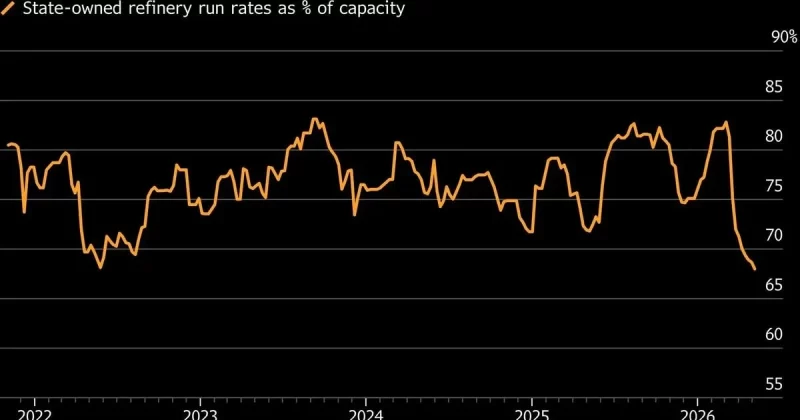
China’s crude oil imports fell 41.3% in June from a year earlier to 29.27 million tonnes, the lowest monthly total since October 2016, according to customs data released on 14 July. Five months into the Strait of Hormuz crisis, Beijing is buying less oil than at any point in a decade.
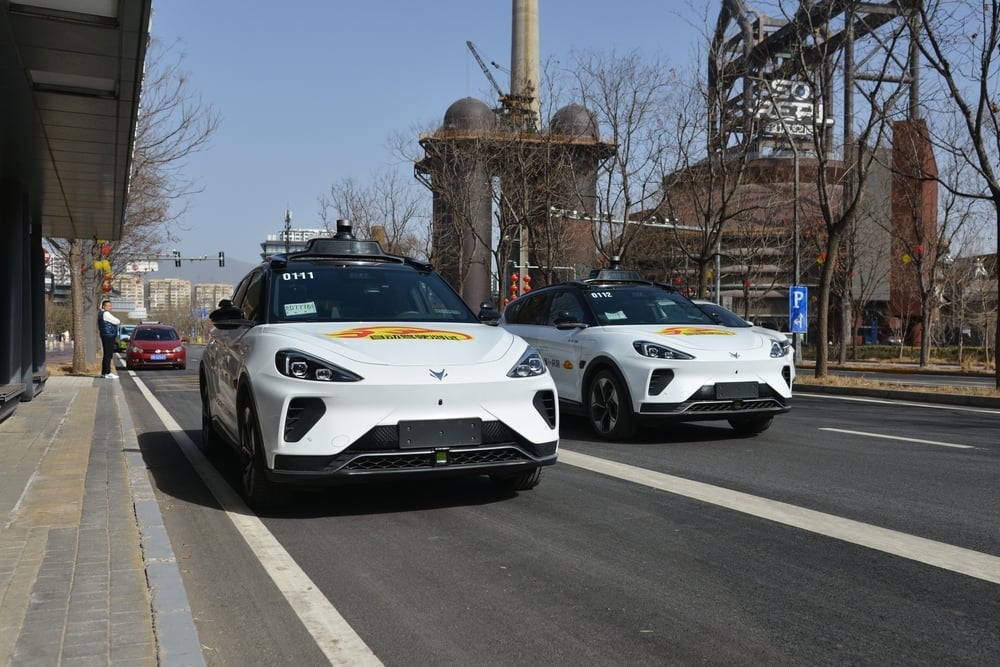
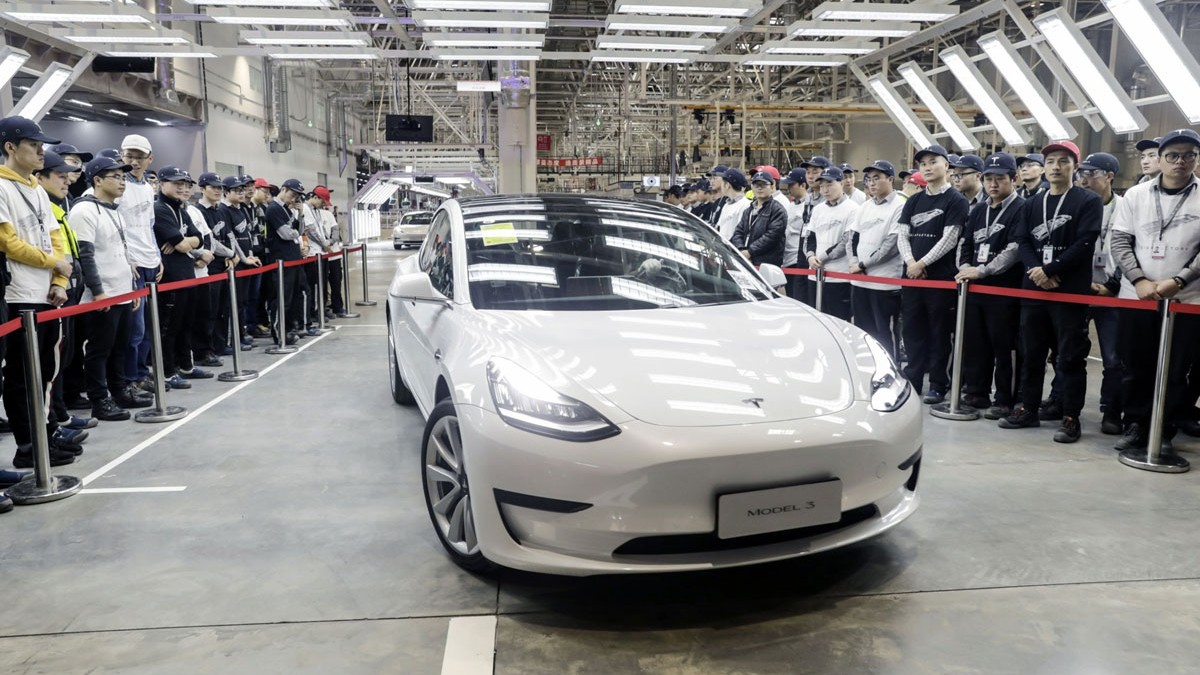
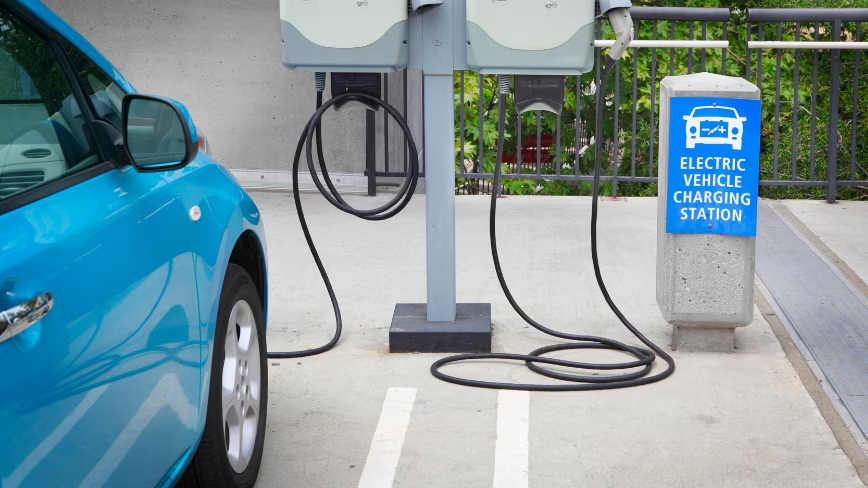
Some of the slack is being absorbed at charging stations. About half of China’s 1.3 million-strong taxi fleet now runs on batteries, according to the Ministry of Transport, and in the largest cities the share is closer to 100%, the visible edge of an EV penetration curve a decade in the making.
Didi, the dominant ride-hailing platform, says it registered another 2 million hybrid or electric cars last year, taking its non-fossil fleet to 8 million vehicles. Electric cars now cover 75% of the mileage booked through the app.
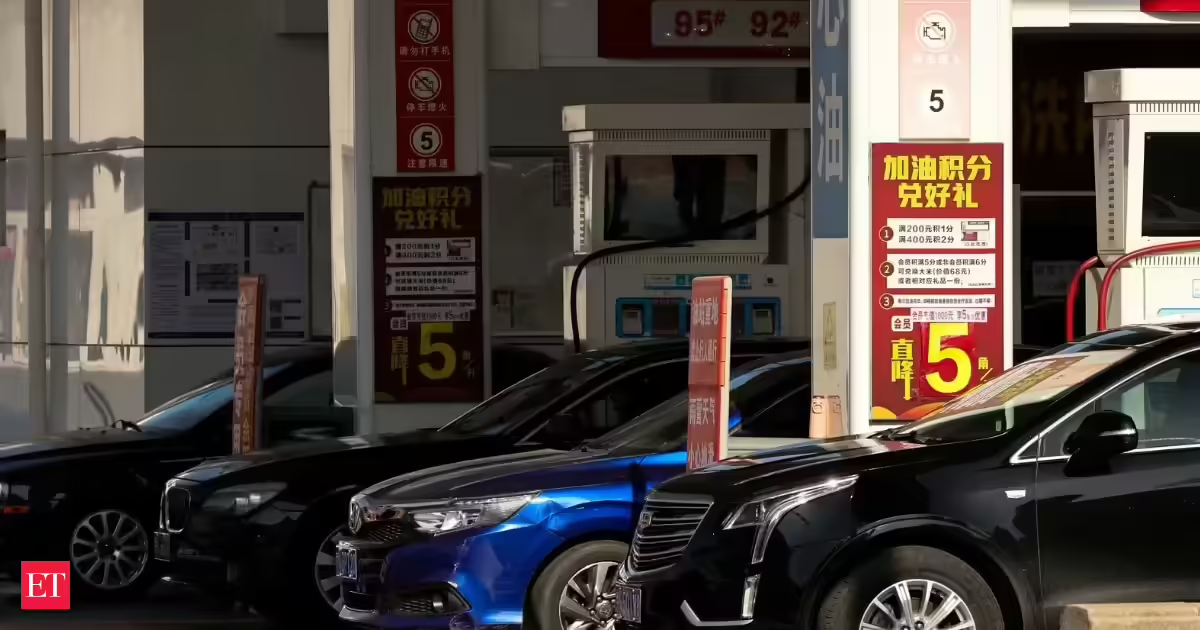
The effect shows up in the fuel numbers. China burned 10% less petrol and 14% less diesel in May than a year earlier, even though road freight rose 2% and May Day holiday road travel hit an all-time high.
None of this is a policy response. No ministry announced a taxi electrification drive when the war began in late February, and the fleets were turning over years before the first missile landed, on the back of commercialisation more than subsidies. The crisis just made the switch pay.