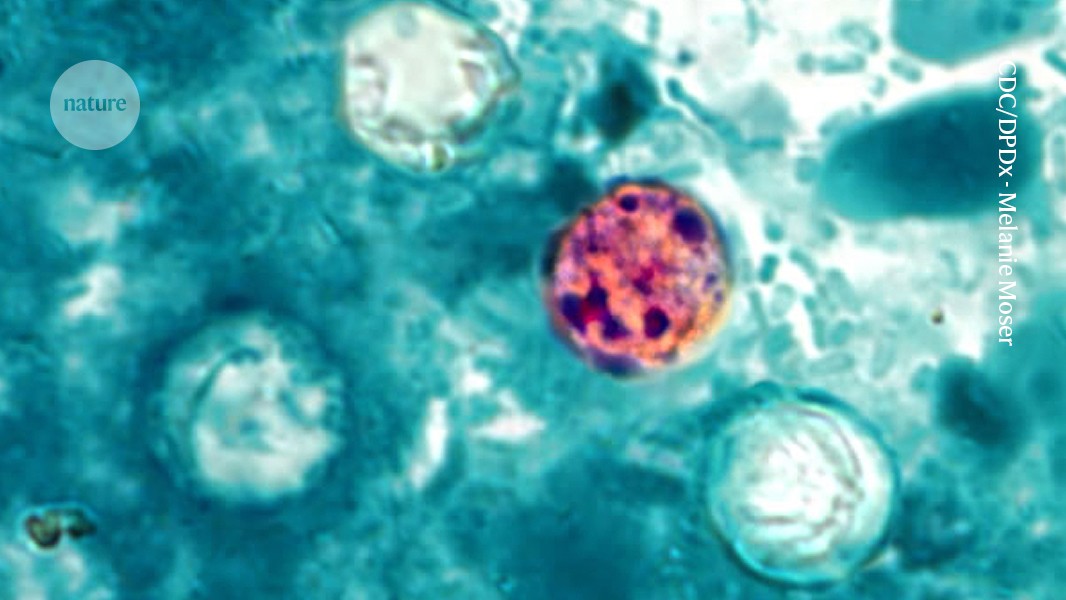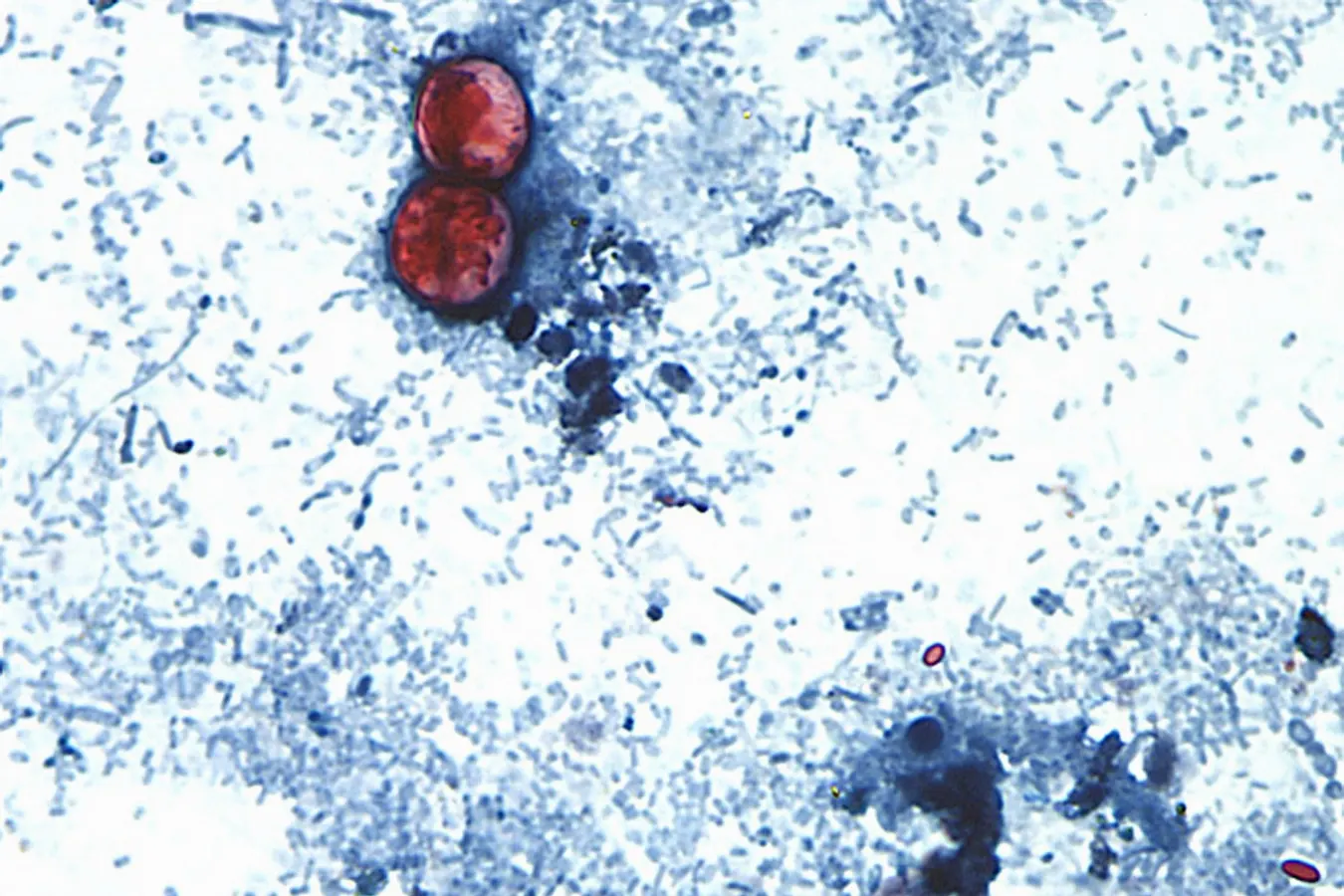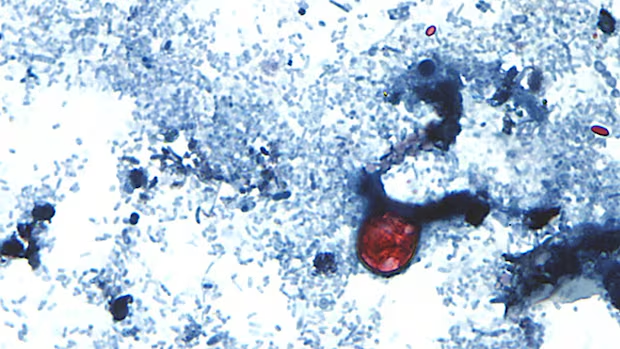
Chances are you’ve seen at least a few headlines this summer about what some are unsubtly referring to as the “explosive diarrhea parasite,” or Cyclospora cayetanensis.
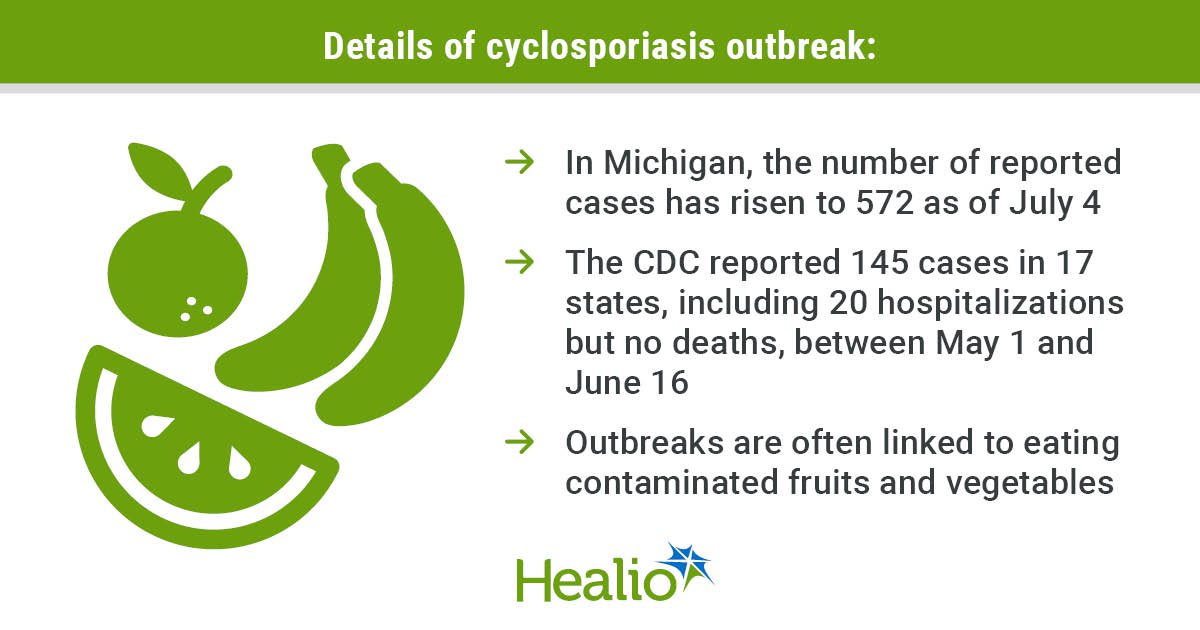
But for some public health and foodborne-illness researchers, it’s been a surprise to see the parasite dominating the news cycle. Cases of cyclosporiasis, the infection caused by the parasite, tend to crop up every summer, though this outbreak is particularly widespread, with nearly 7,000 cases confirmed or under investigation. One researcher, Kali Kniel, a professor of microbial food safety at the University of Delaware, postulated that the “explosive diarrhea” framing might be helping it gain traction—though she noted she would instead use the descriptors “violent" and “sudden.”
For those scientists, outbreaks of the disease are taking their work beyond the walls of their labs or offices; suddenly, they’re responsible for combating misinformation, answering a slew of media requests and even fielding questions from the public.
NSF Won’t Fund Research Involving Chinese Scientists
UA Alleges Prof Used Research Dollars on Wedding