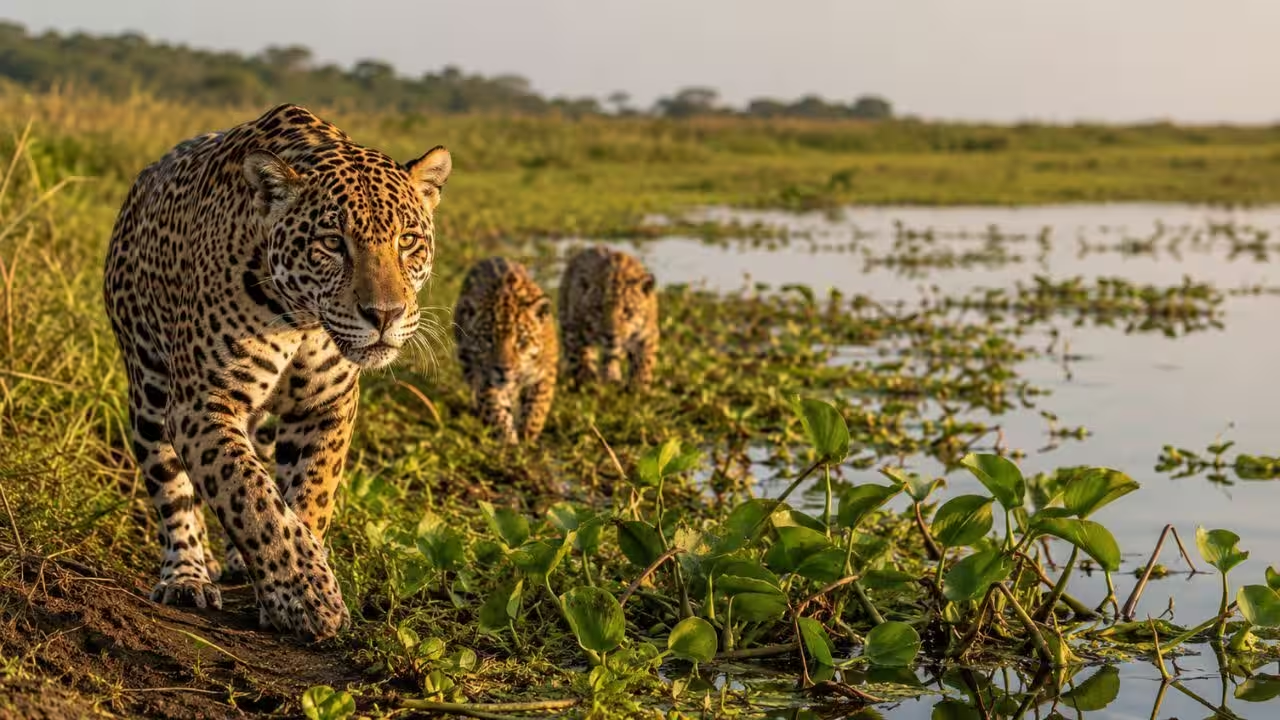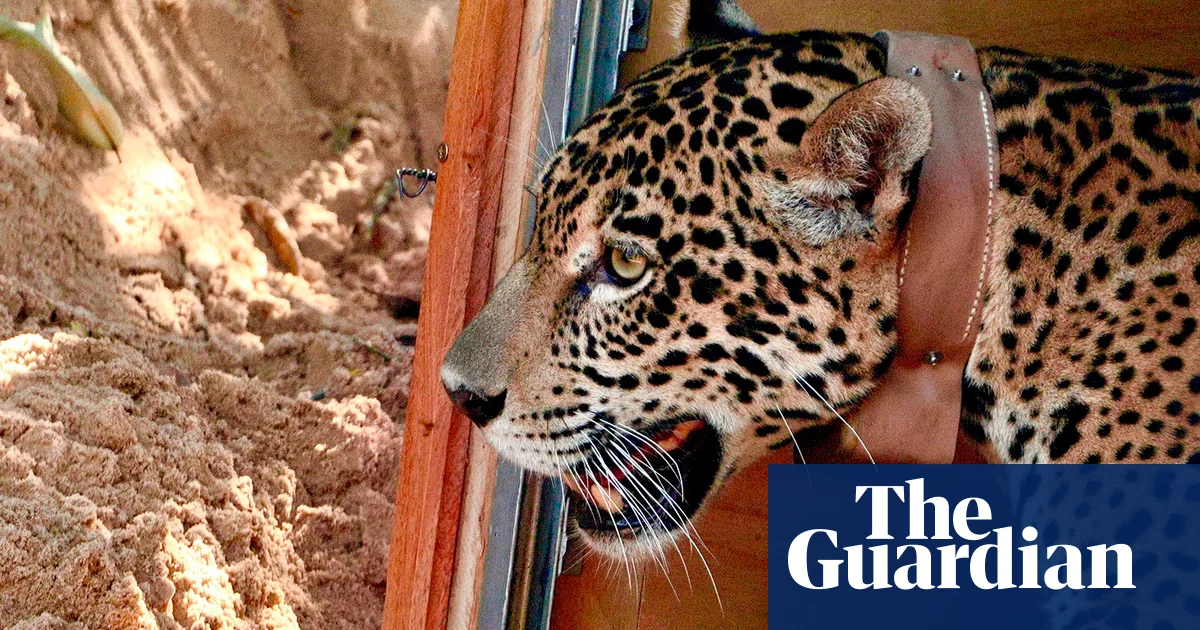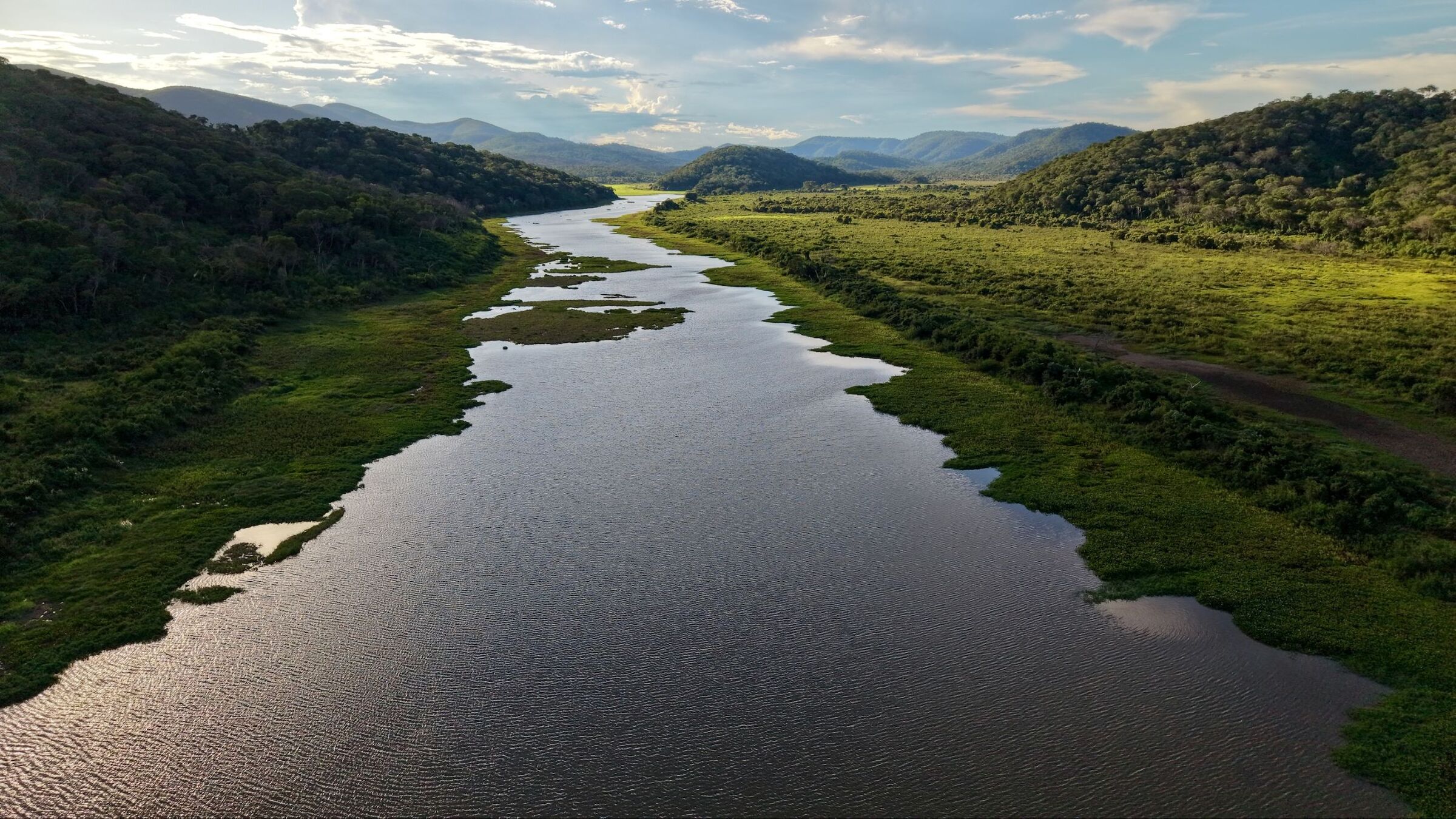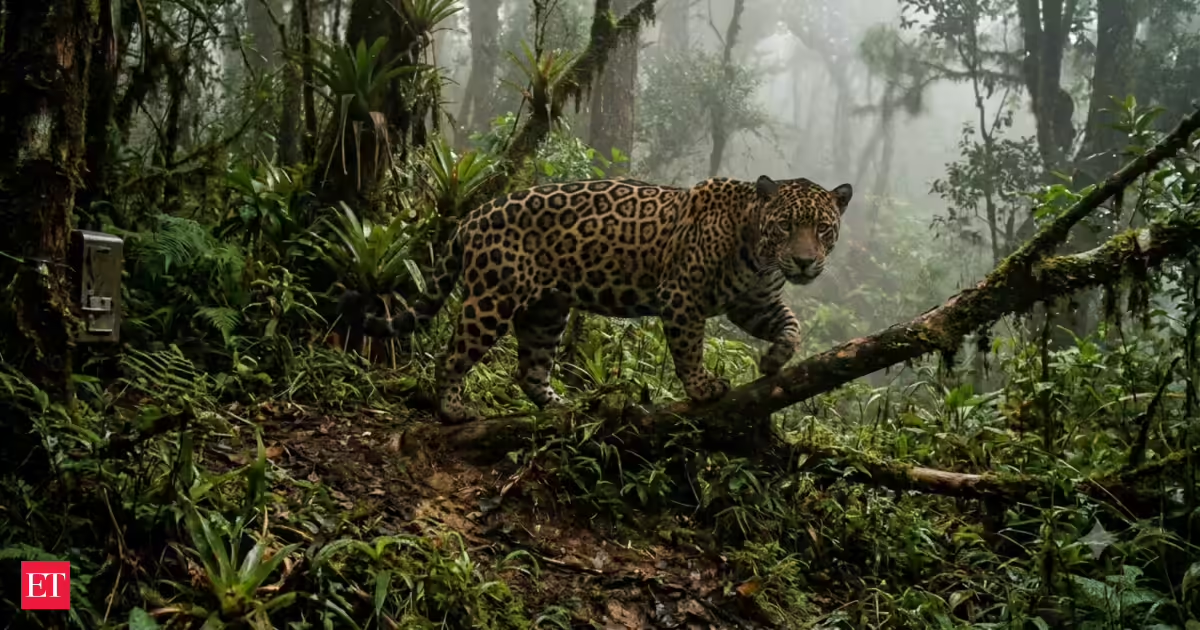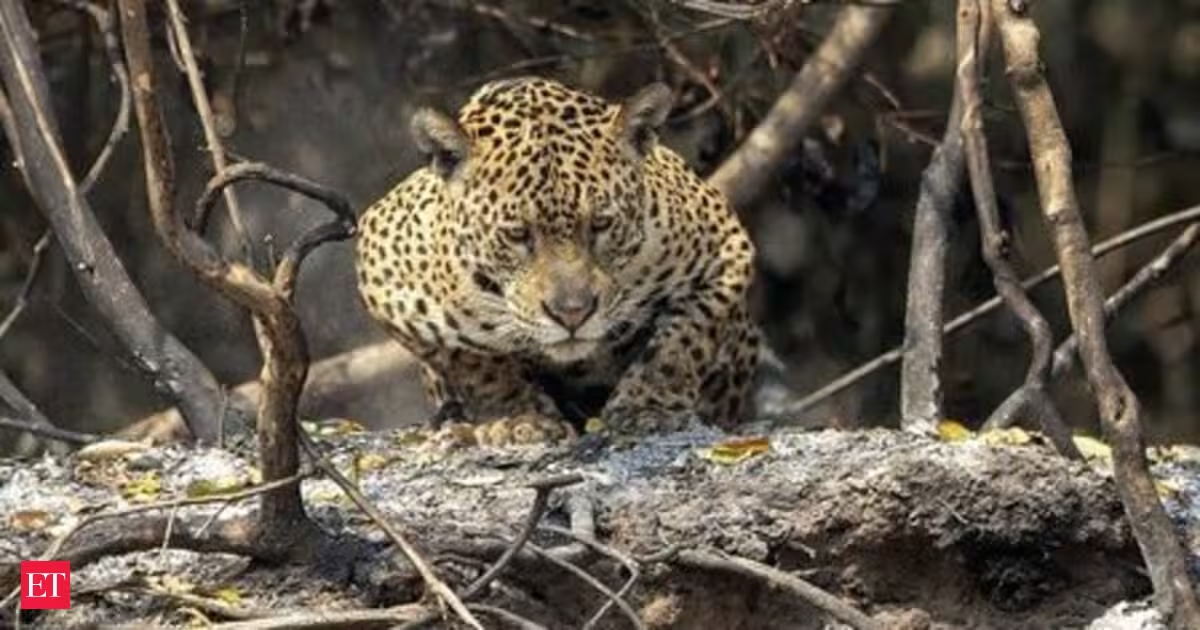
Jaguars are making a remarkable comeback in Argentina after being pushed to the brink of extinction by decades of hunting and habitat loss. Once nearly wiped out in parts of the country, the big cats are returning thanks to ambitious conservation efforts, habitat restoration, and carefully managed rewilding programs. Conservationists have worked to breed Jaguars in protected environments before releasing them into the wild, helping restore populations in areas where they had disappeared. Their return is also benefiting local ecosystems, as Jaguars play a vital role as apex predators. The recovery offers hope that endangered species can rebound when long-term conservation and community support come together.According to a report in PBS News, Jaguar - Americas' largest wild cat - disappeared from parts of Argentina decades ago. Today, only a small population survives in scattered regions of the country, making the Jaguar one of Argentina's most endangered animals. To reverse this decline, conservation organization 'Rewilding Argentina' has launched an ambitious effort to bring Jaguars back to the Iberá wetlands, a vast 1.7-million-acre landscape of marshes, grasslands, forests, and lagoons. Through captive breeding, habitat restoration, and carefully planned releases into the wild, the project aims to rebuild a self-sustaining Jaguar population in an ecosystem where the species had been absent for nearly 70 years. Argentina's effort to restore its Jaguar population marks a major breakthrough in wildlife conservation. Conservationists believe the Jaguar's return will do more than save an endangered species. As an apex predator, the Jaguar helps regulate prey populations and supports a healthier balance between plants and animals. Restoring the species is expected to strengthen biodiversity, improve ecosystem resilience, and revive natural processes that were disrupted after the Jaguar vanished, making the project a landmark achievement in ecological restoration.According to the UN Environment Programme, conservationists released Mariua, a female Jaguar rescued as an orphan in Brazil, along with her two cubs born in captivity, into Argentina's Gran Iberá Park in January 2021. Their release marked the beginning of an ambitious plan to restore a wild Jaguar population in the protected reserve. The vast park, spanning nearly 688,000 hectares, provides an ideal habitat with abundant prey and extensive wetlands, forests, and grasslands.The historic release was the first successful attempt to reintroduce Jaguars into an area where they had become locally extinct. It formed part of a broader rewilding initiative aimed at restoring native wildlife, rebuilding biodiversity, and reviving natural ecological processes that had been disrupted by human activities. The project has since become a landmark example of large-scale wildlife restoration in South America.As per the outlet, conservationists have released five more Jaguars since then as they work toward their goal of having 100 roaming freely across the Iberá wetlands.UNEP's Chief of Wildlife Doreen Robinson highlights the ecological value of restoring Jaguar populations."Carefully reintroducing predators such as Jaguars can help restore ecosystems. Without these species, biodiversity suffers and the services that nature provides can break down - from disease mitigation and soil protection to water system regulation," said Robinson.The project aims to restore Jaguars as a thriving part of the Iberá wetlands, not simply boost their population. Their return signals a new era of conservation focused on rebuilding lost ecosystems, allowing native wildlife and natural ecological processes to flourish once again.
How Jaguars are coming back to Argentina's wetlands after being almost extinct due to hunting
Jaguars are making a comeback in Argentina after near extinction due to conservation programs. Rewilding Argentina is reintroducing these big cats to the Iberá wetlands. Captive-bred jaguars are released into protected areas to rebuild wild populations. Their return helps restore ecological balance and biodiversity in the region. This initiative marks a significant achievement in wildlife restoration efforts.
539 words~2 min read