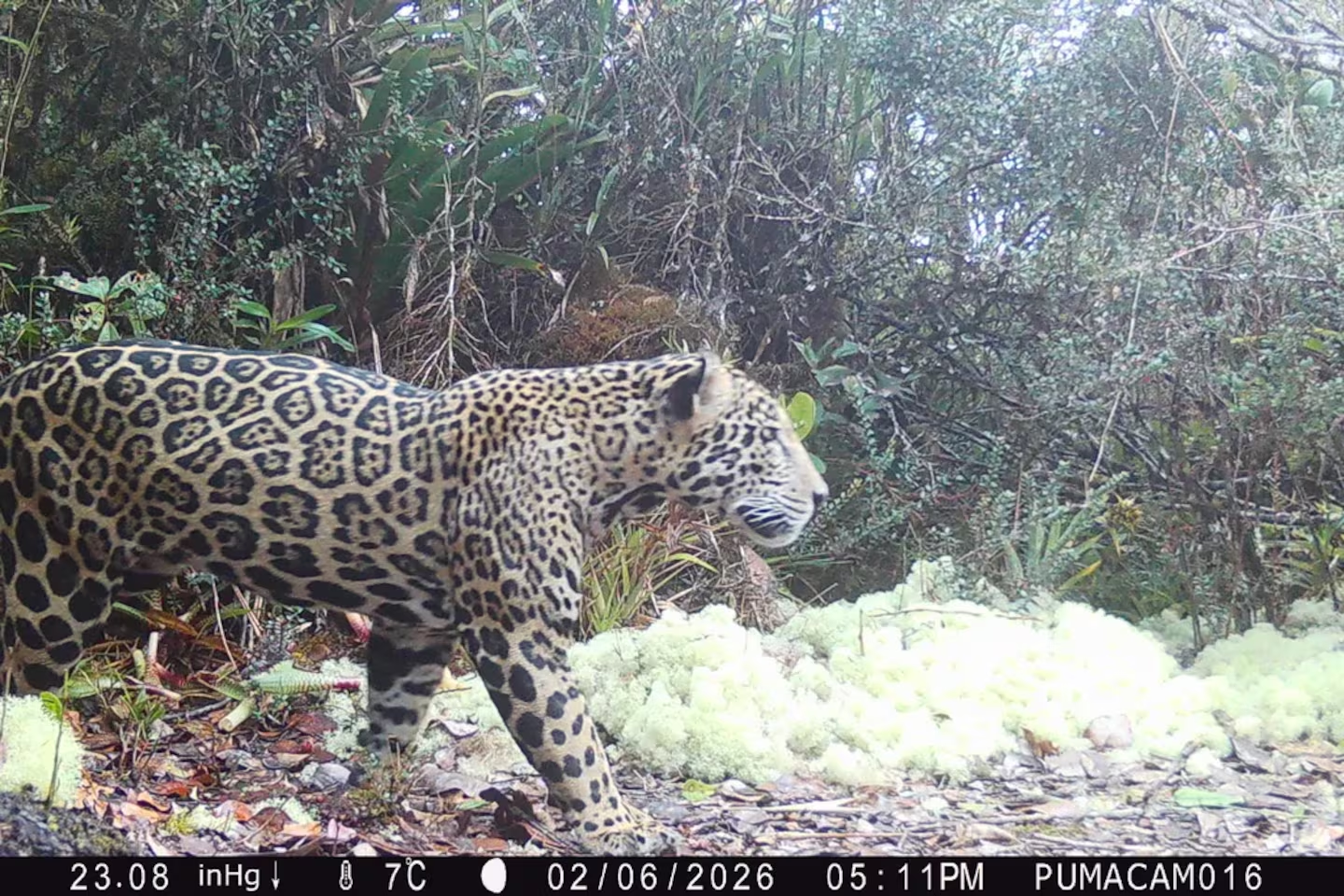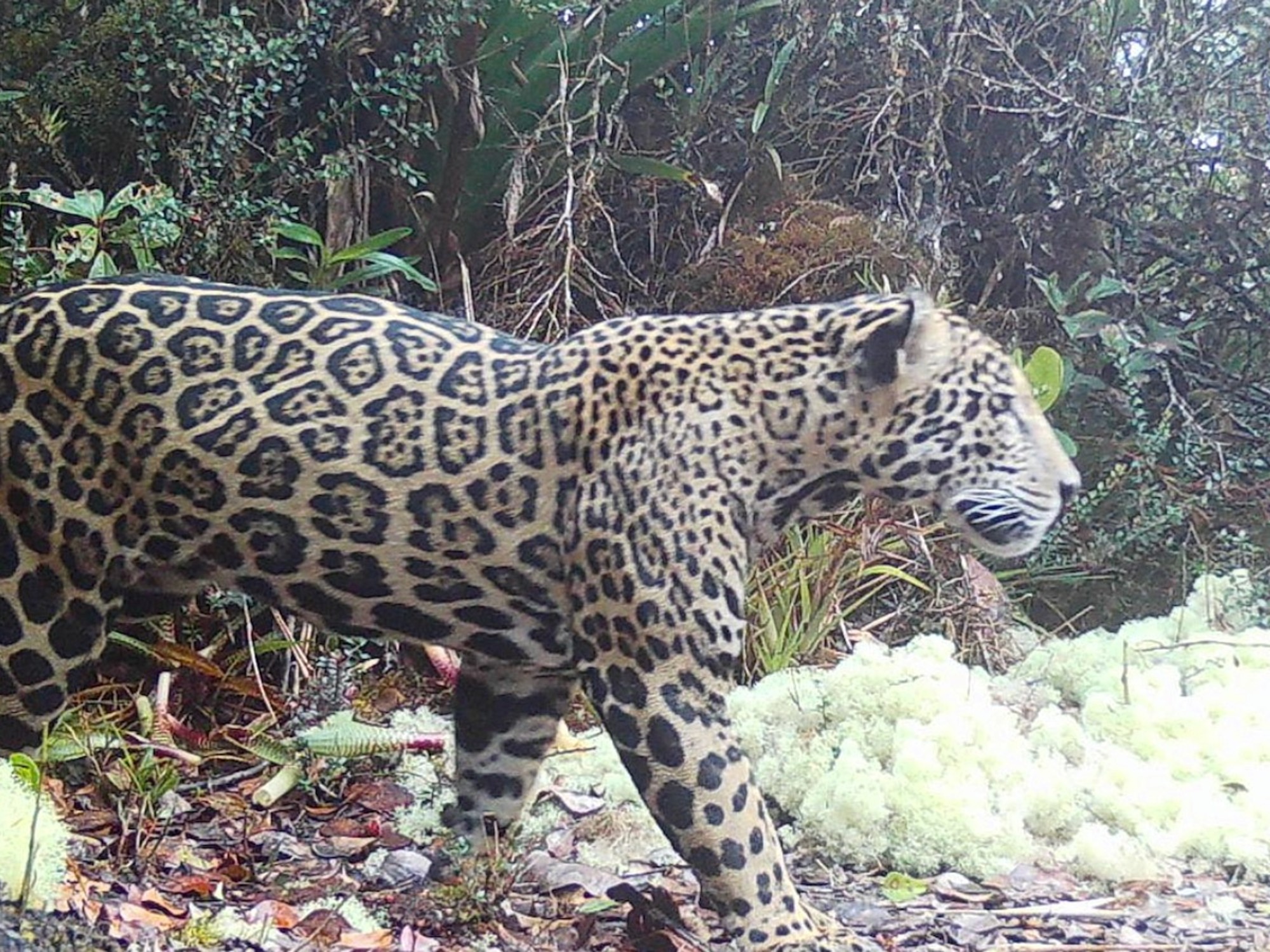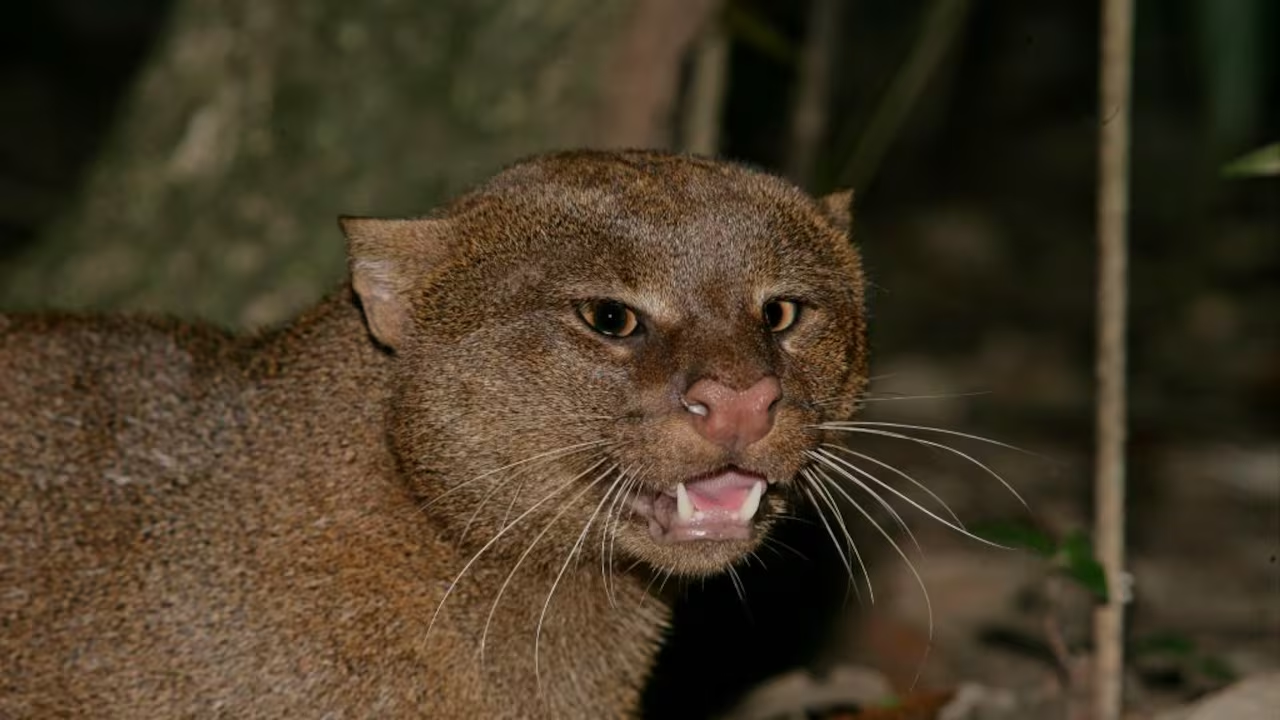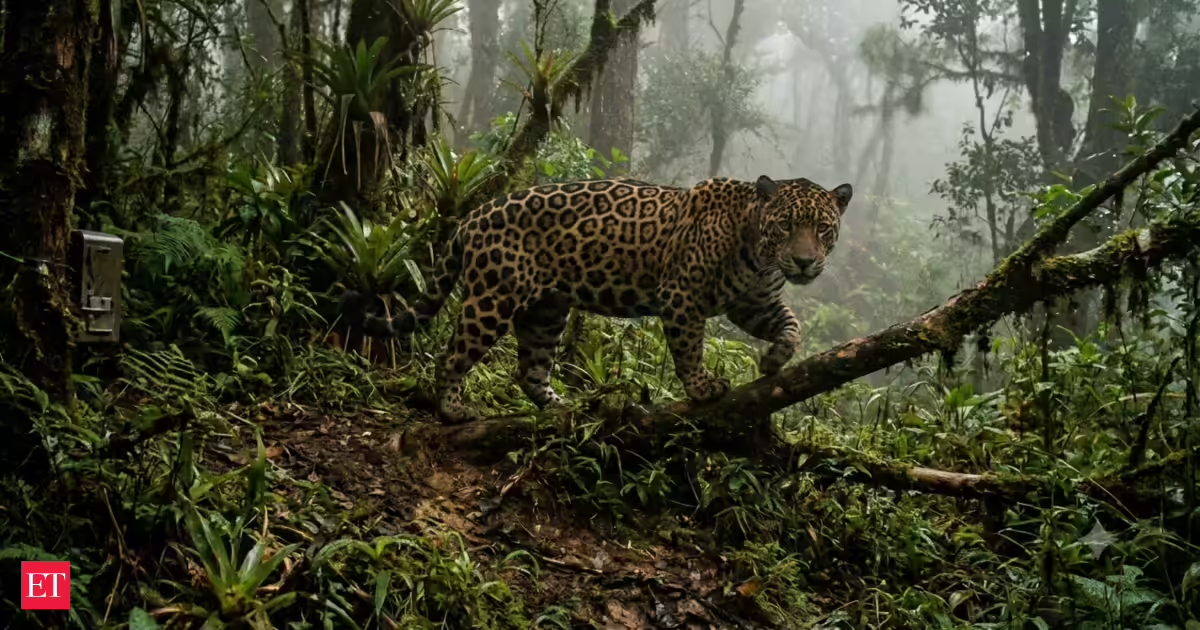
Jaguar spotted in Honduras: A hidden camera in Honduras has brought one of Central America’s most elusive predators back into view after years of uncertainty. In the Sierra del Merendón mountains, a single image has confirmed the presence of a healthy adult male jaguar in a place where the species had not been officially recorded for a decade, as per a report.Captured on February 6, 2026, at around 7,200 feet above sea level, the photograph marks the highest elevation ever recorded for jaguars in Honduras, as reported by Eco News.A rare sight after ten years of silenceThe image was taken near the same location where a jaguar was first recorded by camera traps in 2016, making the new sighting a quiet but striking return after roughly ten years.Jaguars are typically found at much lower elevations, so seeing one in these cloud forest heights, where mist hangs among dense trees, stands out as unusual in the scientific record.A traveler through a living forest corridorThe Sierra del Merendón is part of the wider Jaguar Corridor, a connected stretch of habitat running from Mexico to Argentina. This corridor allows jaguars to move across landscapes to find food, mates, and maintain genetic flow between populations.You Might Also Like:According to Panthera’s Honduras Country Director Franklin Castañeda, the animal captured in the image is not a resident but a traveler moving through this corridor, as per the Eco News report.Small populations facing large pressureIn Honduras, jaguar numbers remain low. Estimates suggest only 10 to 18 individuals in Jeannette Kawas National Park and 20 to 50 in Pico Bonito National Park.While jaguars are listed as Near Threatened globally, regional populations like these face greater pressure due to isolation and declining habitat.Forest loss shaping survivalBetween 2001 and 2025, Honduras lost about 3.7 million acres of tree cover, representing roughly 19% of its forest cover from 2000.You Might Also Like:For a species like the jaguar, this loss fragments movement routes, reduces prey availability, and increases contact with human activity, making survival and movement more difficult.Technology tracking what the forest hidesTo monitor wildlife movement, conservation teams have used camera traps, acoustic monitoring, ranger patrols, and real-time data systems such as EarthRanger across protected areas.These tools allow teams to log wildlife sightings, patrols, and environmental alerts in one system while tracking movement across protected landscapes.More than a single jaguar in the mountainsThe Merendón range now hosts all five wild cat species found in Honduras, including ocelots, margays, jaguarundis, pumas, and jaguars. Other surveys have also confirmed pumas returning after long gaps, suggesting continued wildlife presence in the region, as per the Eco News report.A reminder of what still connects the forestThe single camera image is not treated as a sign of recovery, but as evidence that movement is still possible through the landscape.Conservation experts emphasize that connectivity between habitats is essential for jaguars to survive, especially as forest loss continues to reshape the region, as per the Eco News report.FAQsWhere was the jaguar photographed?The jaguar was captured by a camera trap in the Sierra del Merendón mountains in Honduras.When was the jaguar sighting recorded?The camera photographed the animal on February 6, 2026.
This legendary jungle hunter stayed hidden for a decade, until one camera captured the impossible
Jaguar spotted in Honduras after decade: A rare image of a jaguar in Honduras after a decade of absence highlights the challenges faced by this endangered species and the importance of habitat connectivity for their survival.
521 words~2 min read