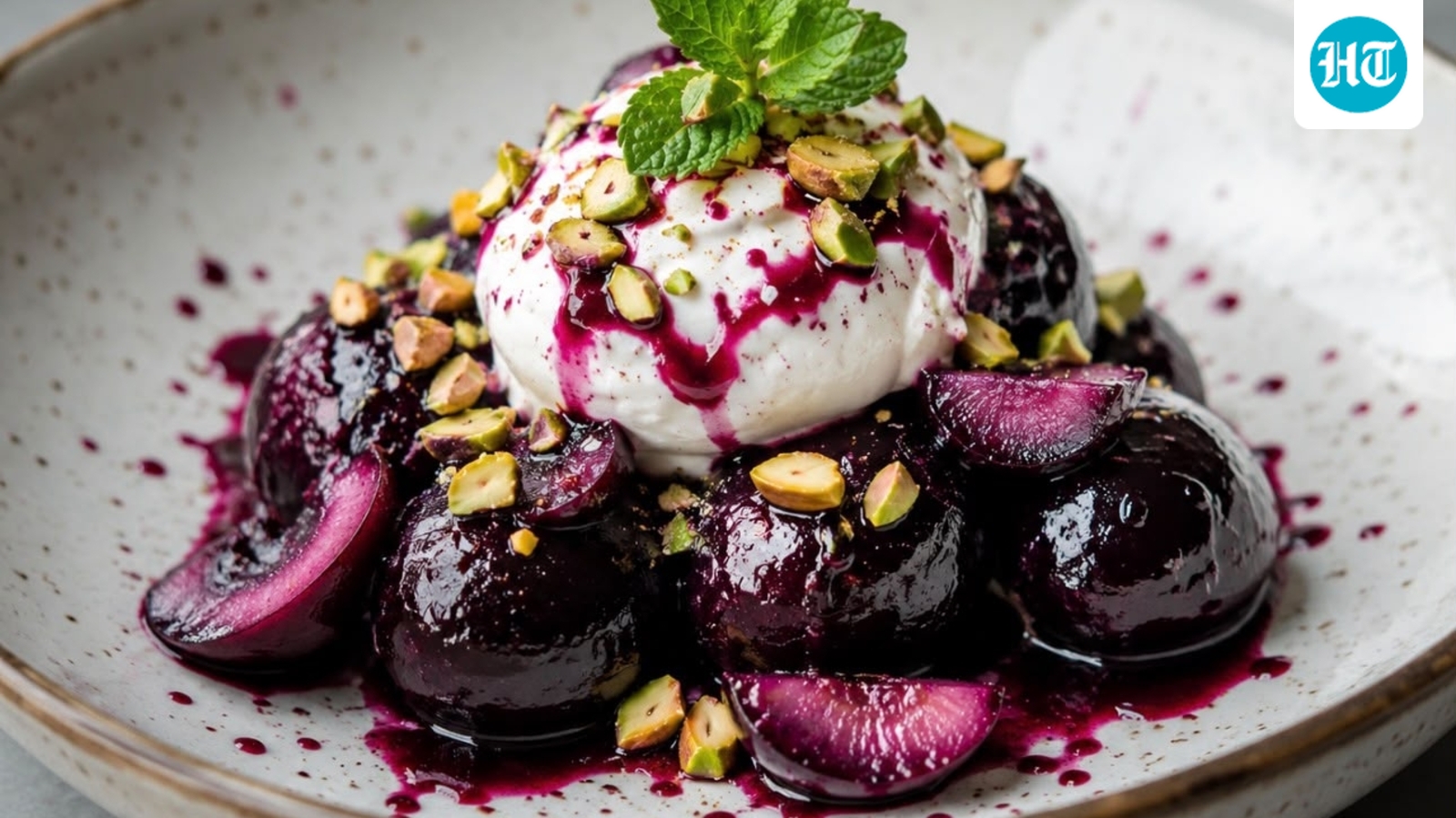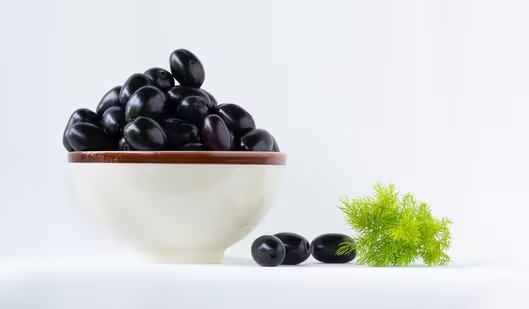
An abundant jamun harvest has put the seasonal fruit back in focus. Experts explain its health benefits, myths, who should eat it and the best way to consume it This monsoon, India is witnessing something of a jamun boom. An unusually abundant 2026 crop has flooded fruit carts and markets with the deep-purple fruit, while also fuelling viral folklore that heavy fruiting signals an impending drought. Botanists, however, say the bumper harvest is more likely a result of the dry pre-monsoon conditions that aided flowering, pollination and fruit set, reflecting weather that has already occurred rather than predicting the rains ahead.The many benefits of Jamun (shutterstock_287620682)The abundance has also put the spotlight back on one of India's most nutrient-rich seasonal fruits. Packed with anthocyanins, fibre, vitamin C and essential minerals, jamun is being championed by nutritionists as an ideal fruit for the rainy season, when digestive ailments and infections become more common. Here's why experts say you should make the most of its short season.Why is there so much jamun this year?The unusually heavy jamun crop has sparked curiosity across the country, with markets reporting higher-than-usual supplies and social media reviving age-old beliefs that an abundance of the fruit predicts drought.Scientists, however, point to weather—not prophecy.According to an analysis by India Today Science, jamun trees benefited from the unusually dry pre-monsoon period of March and April, when rainfall deficits across parts of western and southern India created favourable conditions for flowering and pollination. Unlike many fruiting trees, jamun flowers are sensitive to untimely rain, which can wash away pollen and reduce fruit set. This year's dry spell allowed more flowers to mature into fruit, resulting in a bumper harvest.Botanists also clarify that while trees may respond to environmental stress, the abundant fruiting reflects past climatic conditions rather than predicting future drought. The renewed attention also coincides with growing scientific interest in jamun. A 2026 study published in Scientific Reports evaluated 23 Indian jamun genotypes and found remarkable differences in vitamin C, anthocyanins, phenols and antioxidant activity, highlighting the fruit's potential as a functional food. The researchers also note that India is the world's largest producer of jamun, contributing 15.4 per cent of global production.Jamun (shutterstock)Why nutritionists recommend eating jamun during the monsoonFor nutritionists, this bumper crop is the perfect reminder to embrace seasonal eating.According to Ms Veena V, Chief Clinical Dietician & HOD, Department of Clinical Nutrition and Dietetics, Aster Whitefield Hospital, jamun's biggest strength lies in the nutrients hidden beneath its deep purple skin."The nutritional fruit that comes with the monsoon season is jamun, and the benefits provided by this fruit cannot be attributed merely to its caloric value alone. The presence of anthocyanins makes this seasonal fruit unique by virtue of the purple colour that it possesses."Anthocyanins—the same class of antioxidants found in blueberries and blackberries—help protect the body against oxidative stress while supporting immunity. Jamun is also naturally rich in vitamin C, dietary fibre, potassium and iron, making it particularly valuable during the rainy season, when stomach infections and digestive disturbances are more common.She continues, “Anthocyanins are antioxidant substances that help shield the body from the unpleasant side effects of oxidative stress, and at the same time, they assist in boosting the body's immunity levels. Jamun is also a pretty strong source of vitamins C, iron, potassium, and fibre, which is why it becomes an important piece of a well-balanced monsoon diet.”According to the experts, eating jamun in moderation may help:Support immunity through vitamin C and antioxidant-rich anthocyanins.Promote healthy digestion and nourish beneficial gut bacteria because of its high fibre content.Replenish electrolytes and support hydration with its water and potassium content.Support blood sugar management when included as part of a balanced diet, thanks to its relatively low glycaemic index.Keep you fuller for longer, making it a healthy seasonal snack.Veena adds that fresh fruit is always the better choice. “Whole fresh jamun is more beneficial than any processed juices or flavoured jams that come with extra sugar. Jamun is like any fruit – a useful supplement rather than an ultimate solution to any health problem,” she ends.What is the best way to eat jamun?While jamun is packed with nutrients, Dr Neeti Sharma, Chief Dietitian, Marengo Asia Hospitals, Faridabad, says the way you consume it is just as important."The best time is in the morning, specifically after breakfast or as a mid-morning snack. At this time, the digestive system is most active, allowing for better absorption of nutrients. It is advisable to avoid eating jamun on an empty stomach, as its astringent nature could cause acidity."She recommends consuming around 8-10 fresh jamuns a day for a healthy adult. Whole fresh fruit is preferable to juices, syrups and processed products with added sugar. She also advises avoiding excessive quantities at one time and going easy on heavily salted roadside servings.Jamun (shutterstock)Can jamun cure diabetes? Experts bust common mythsJamun has long been associated with diabetes management, but experts caution against confusing supportive benefits with a cure.Dr Sharma explains that jamun contains bioactive compounds such as anthocyanins and jamboline, which have been studied for their potential to support blood sugar management by improving insulin sensitivity and slowing glucose absorption.However, she stresses:"Current scientific evidence clearly states that diabetes is a chronic condition that cannot be cured, especially not by a single food item. While jamun can be a helpful supportive measure, it is not a replacement for prescribed medication, a balanced diet, and a healthy lifestyle. Claims that it can 'eliminate' diabetes in a short period are false and potentially dangerous."Another common belief is that drinking water immediately after eating jamun is harmful. According to Dr Sharma, while traditional advice recommends waiting for 30-45 minutes, there is no strong scientific evidence that drinking water immediately afterwards is harmful for everyone.Similarly, the belief that jamun should never be eaten with milk is not backed by robust scientific evidence."There is no robust scientific data to confirm this, and many people consume them without issue. It is best to observe your own tolerance."Who should be careful while eating jamun?Although jamun is safe for most healthy adults, moderation remains important.People taking medication for diabetes should avoid excessive consumption, as jamun may further lower blood sugar levels. Those with kidney disease or on potassium-restricted diets should consult their doctor before making it a regular part of their diet. Fresh jamun is generally considered safe during pregnancy in normal dietary quantities, but concentrated seed or bark supplements should only be consumed under medical supervision.Dr Sharma also notes that eating too much jamun may cause acidity or constipation in some individuals because of its naturally astringent properties.How to choose and store jamunTo make the most of the fruit's short season:Choose jamuns that are deep purple to almost black with an even colour.Look for smooth, glossy skin and fruits that feel firm and plump.Avoid bruised, cracked or mouldy fruits.Refrigerate unwashed jamuns and consume them within two to three days.Wash them only before eating to prevent excess moisture from speeding up spoilage.Opt for fresh fruit over processed juices or preserves to maximise nutritional benefits.Aditya Sagar is a Senior Copy Editor at Hindustan Times, where he spends his days decoding cinema buzz, chasing pop culture moments, and spotlighting the latest in lifestyle. Usually found planning his next meal, smiling through deadlines, or hunting for fresh story ideas, he's happiest when words flow effortlessly, and commas are exactly where they should be!Read More
Why nutritionists want you to eat more jamun this monsoon: Health benefits, myths and the right way to consume it
An abundant jamun harvest has put the seasonal fruit back in focus. Experts explain its health benefits, myths, who should eat it and the best way to consume it
1,229 words~6 min read