Aural started with a simple limitation: static question banks and chatbots do not reproduce the rhythm of a real interview. A useful interview system needs to listen, decide when to probe, preserve context, and produce feedback that is consistent enough to act on.
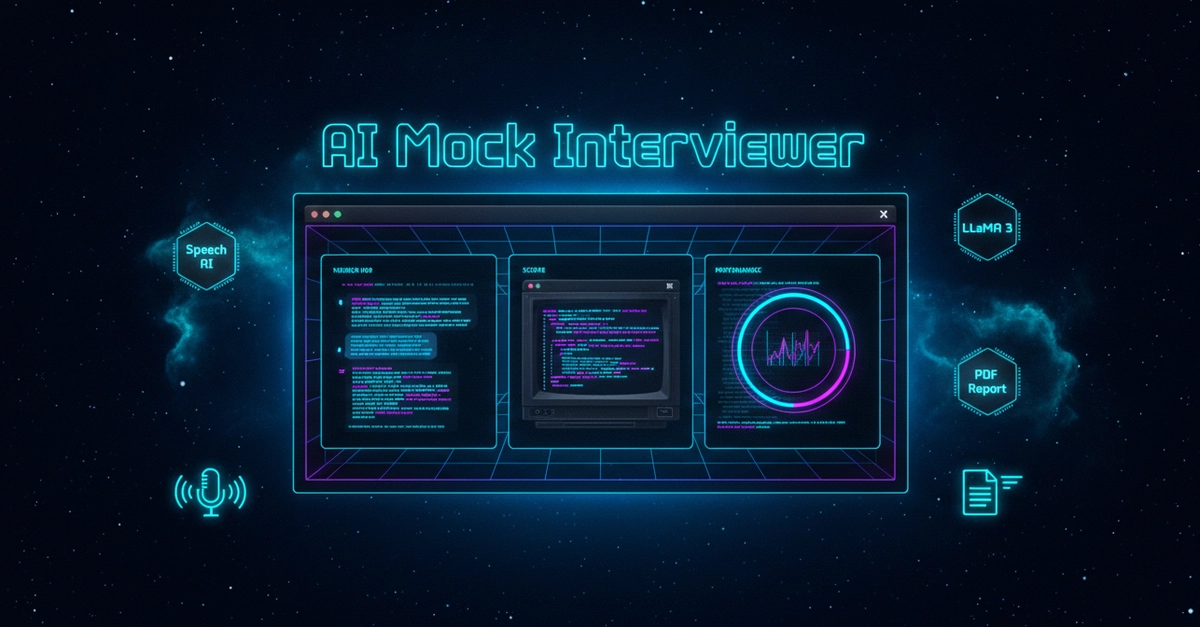
I built Aural as an open-source platform for conducting interviews over voice, chat, and video. Teams can design an interview, share a link, let the AI ask contextual follow-up questions, and receive a structured report. Candidates can also use the same core workflow for practice.
This post covers the engineering decisions that mattered most when moving from a chat prototype to a self-hostable, real-time product.
What the platform needs to do
A single interview touches several subsystems: