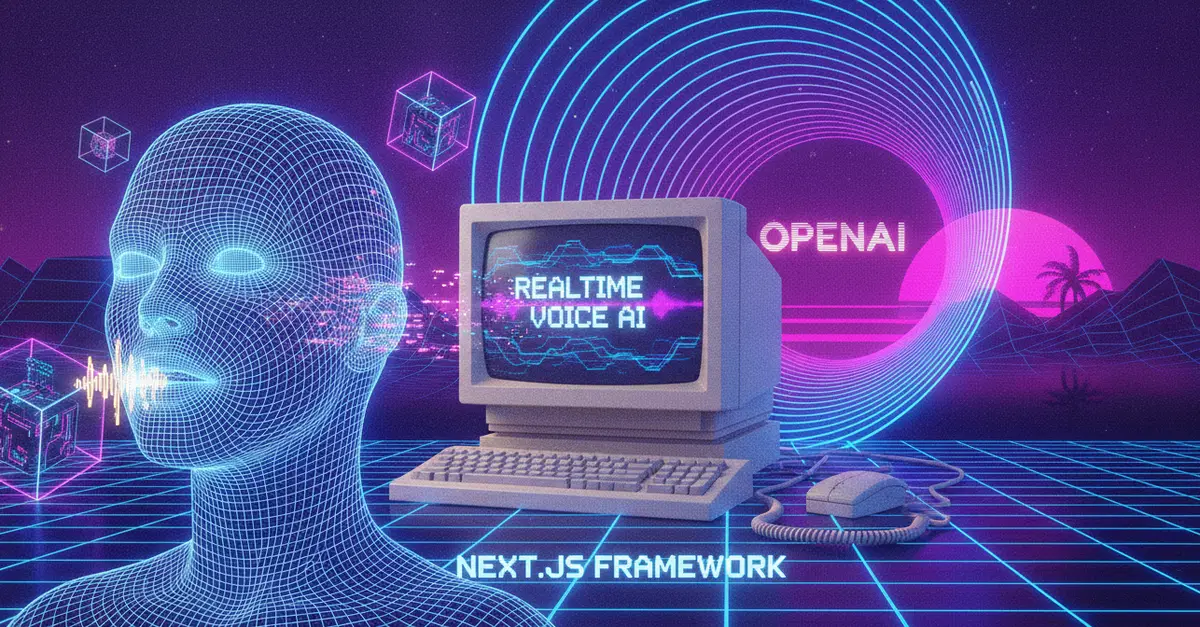
Voice interfaces are rapidly becoming the next major interaction layer after mobile and web UI. Instead of clicking, users will increasingly talk to systems that understand intent, context, and can execute actions in real time.
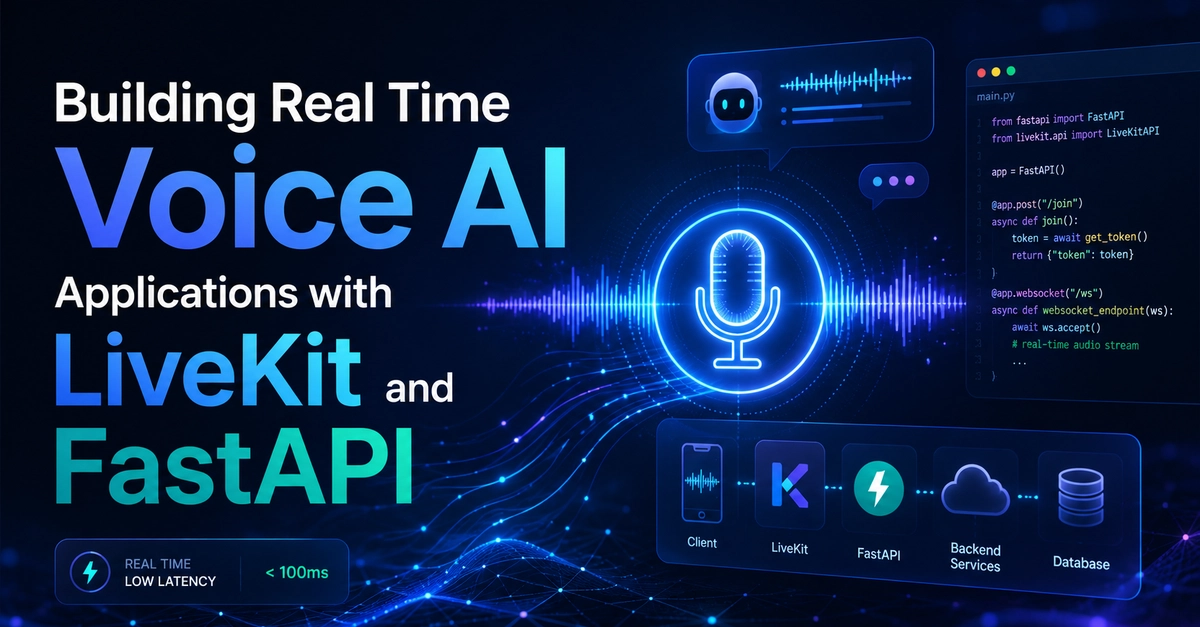
In this article, we’ll build a production-grade architecture for a real-time AI voice system using modern web technologies such as Next.js, WebRTC, and OpenAI’s streaming capabilities.
We’ll also explore how this architecture powers modern conversational systems like an AI Voice Agent platform, where AI can handle real-time interactions for business use cases like bookings, support, and sales automation.
1. Why Voice AI is the Next Interface Shift
Text-based chatbots solved the first wave of automation. But voice introduces: