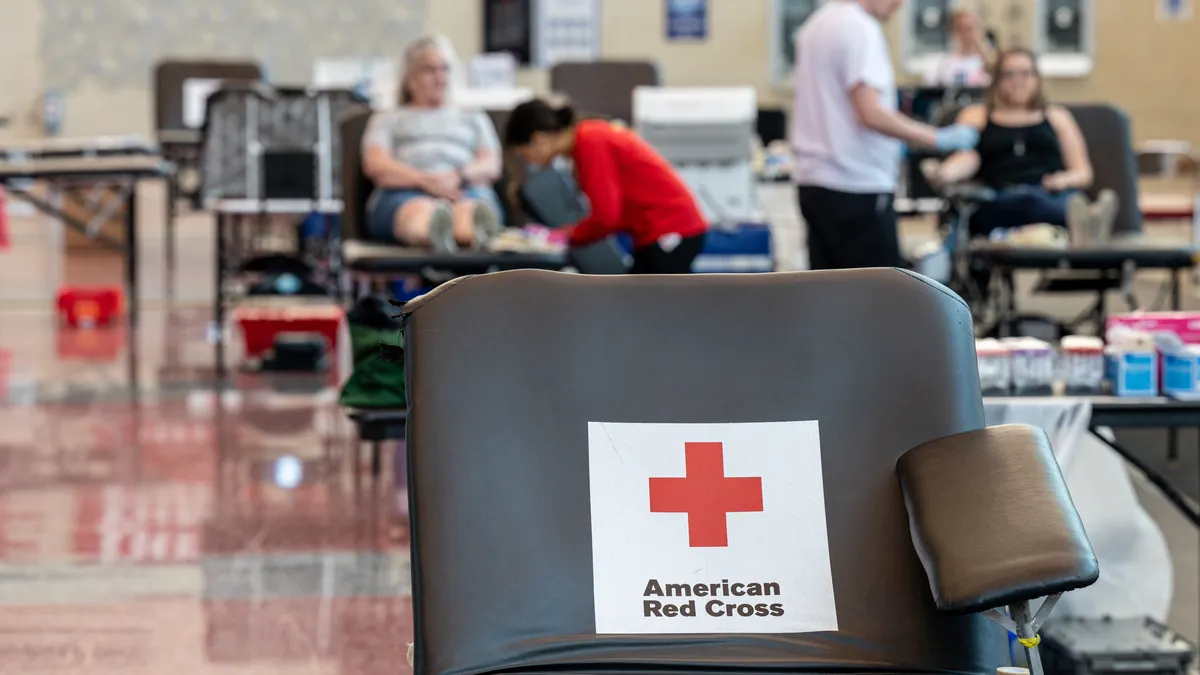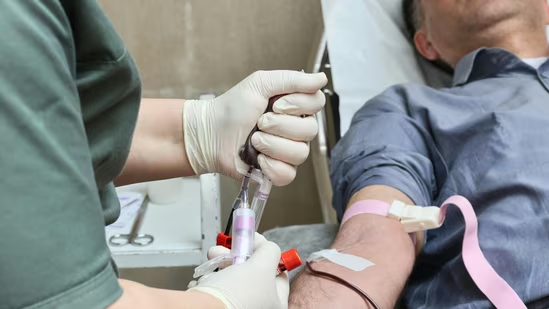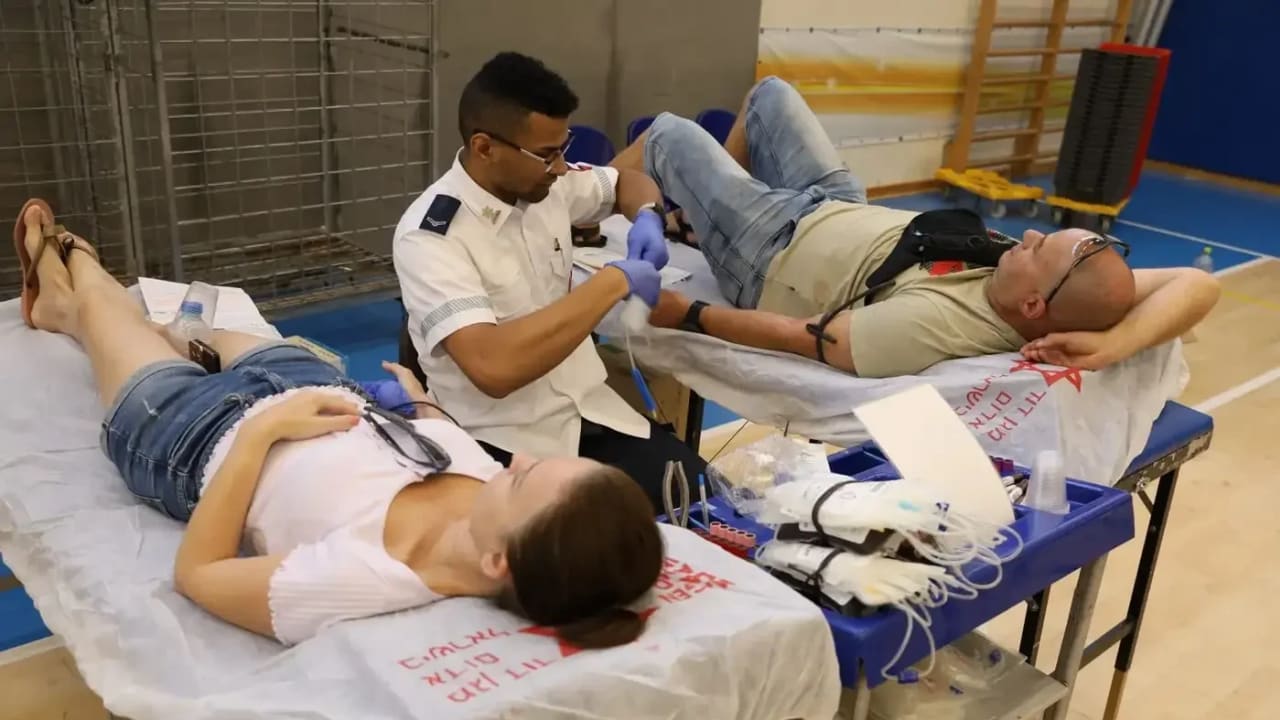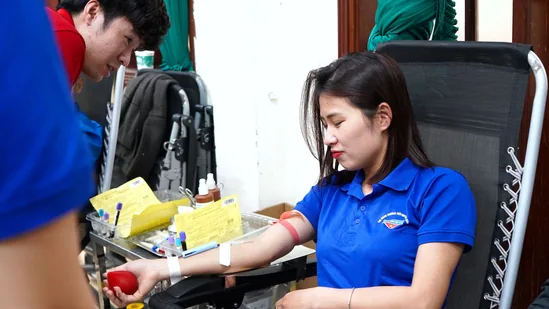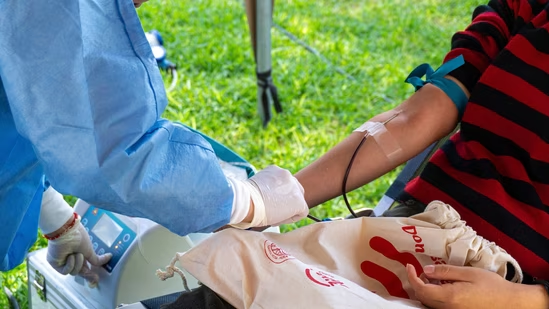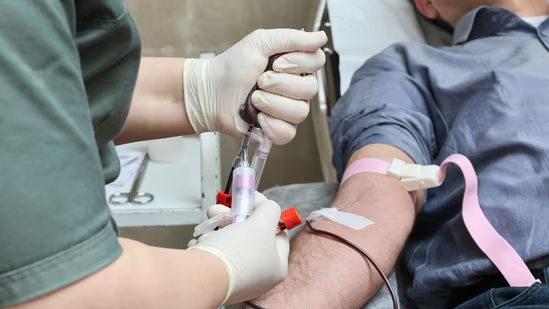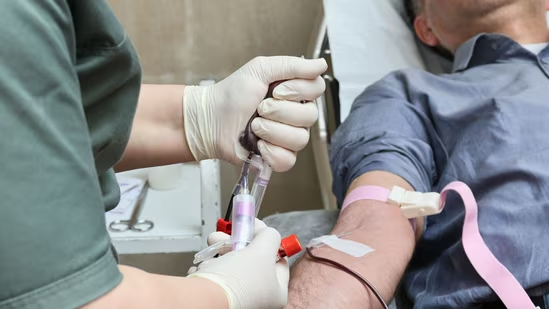
Donating blood is something that is greatly encouraged for healthy adults, as it is an invaluable contribution to the healthcare sector that can help save lives. However, there are instances where people willing to donate get rejected during the screening process that takes place ahead of donating.Going through a medical screening is important ahead of donating blood. (Pexel)Also Read | Increasing fibre intake? AIIMS-trained gastroenterologist Dr Saurabh Sethi shares 5 wrong ways to add fibre to dietIt can be because of a number of reasons, including being underweight, having low haemoglobin levels, or having deep-seated veins that are difficult to locate and access with a needle. Taking to Instagram on July 14, Dr Kunal Sood explained the reasons behind the rejections.Why would one get turned away from donating blood?According to Dr Sood, some of the most common reasons that a person gets turned away from donating blood have nothing to do with having transmissible diseases.“Blood donation centres screen donors to protect both the person giving blood and the person receiving it,” pointed out the physician.One of the most common reasons for being turned away is low haemoglobin, which can make donating unsafe because it may worsen anaemia.Other people are deferred because they don't meet the minimum weight requirement, which helps reduce the risk of dizziness and fainting.Some donors are also turned away because their veins are difficult to access, making the donation less likely to be successful.“There are also temporary deferrals for things like recent tattoos, certain medications, recent infections, or travel to specific areas,” noted Dr Sood.Blood donation deferrals may be temporaryNot being allowed to donate blood one time may not always mean that the person cannot donate blood ever again.“What many people don't realise is that many blood donation deferrals are temporary. Being turned away doesn't automatically mean something is wrong with your health,” pointed out Dr Sood.“In many cases, it means a screening process is doing exactly what it's designed to do: keeping both donors and recipients safe. If you have been deferred from donating blood, it's often worth asking whether the reason is temporary and when you may be eligible to donate again,” he shared.Note to readers: This article is for informational purposes only and not a substitute for professional medical advice. Always seek the advice of your doctor with any questions about a medical condition.This report is based on user-generated content from social media. HT.com has not independently verified the claims and does not endorse them.Dr Kunal Sood, MD, is a double board-certified physician in Anesthesiology and Interventional Pain Medicine. He did his residency and fellowship in anesthesiology at Wayne State University in Detroit, Michigan, followed by a one-year fellowship in interventional pain medicine. He later became the Medical Director of the office in Germantown, Maryland.
Ever been deterred from donating blood? Dr Kunal Sood explains why donors may get rejected
While healthy adults are encouraged to donate blood, some people may get deterred at pre-donation screenings. Dr Kunal Sood explains why. | Health
461 words~2 min read