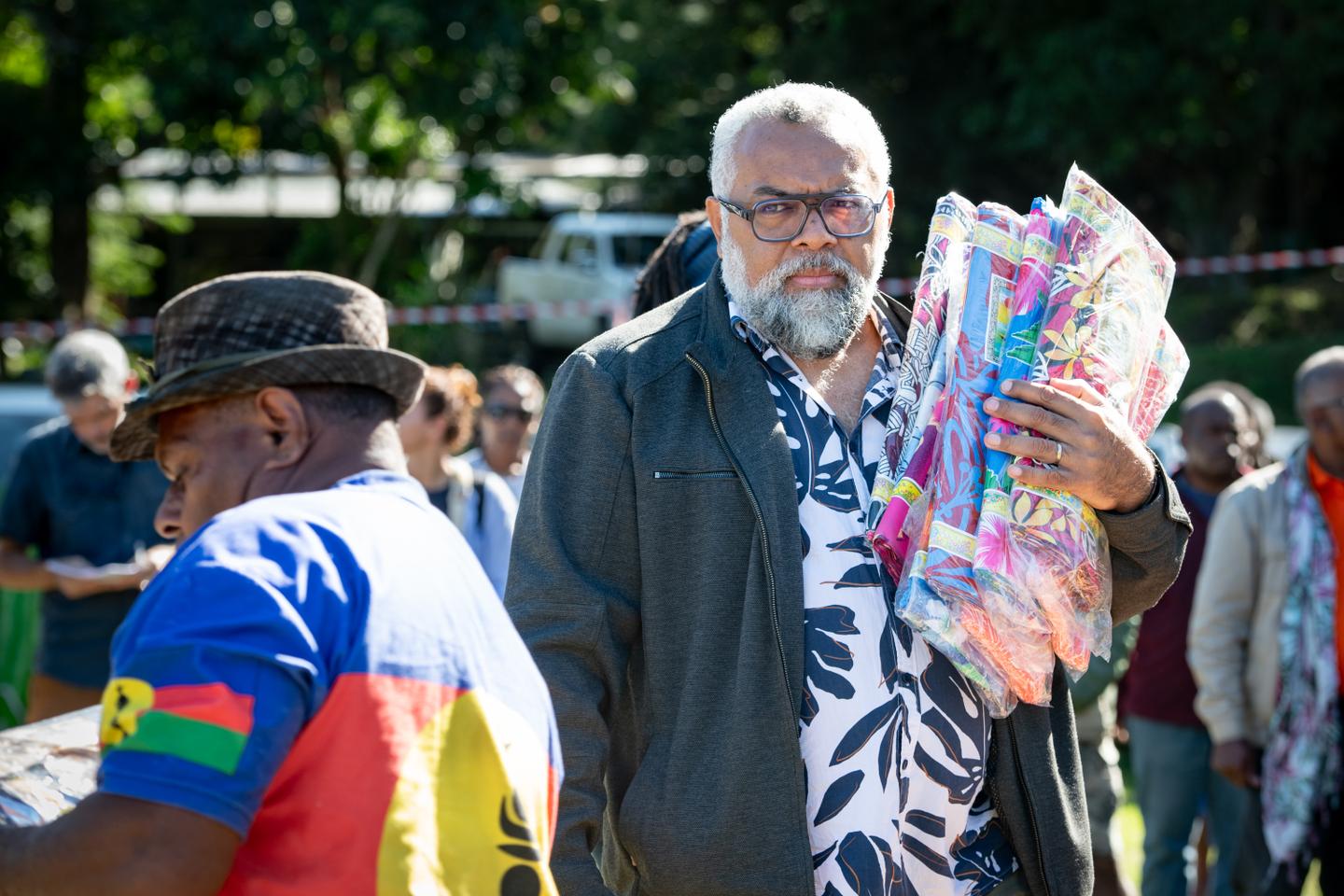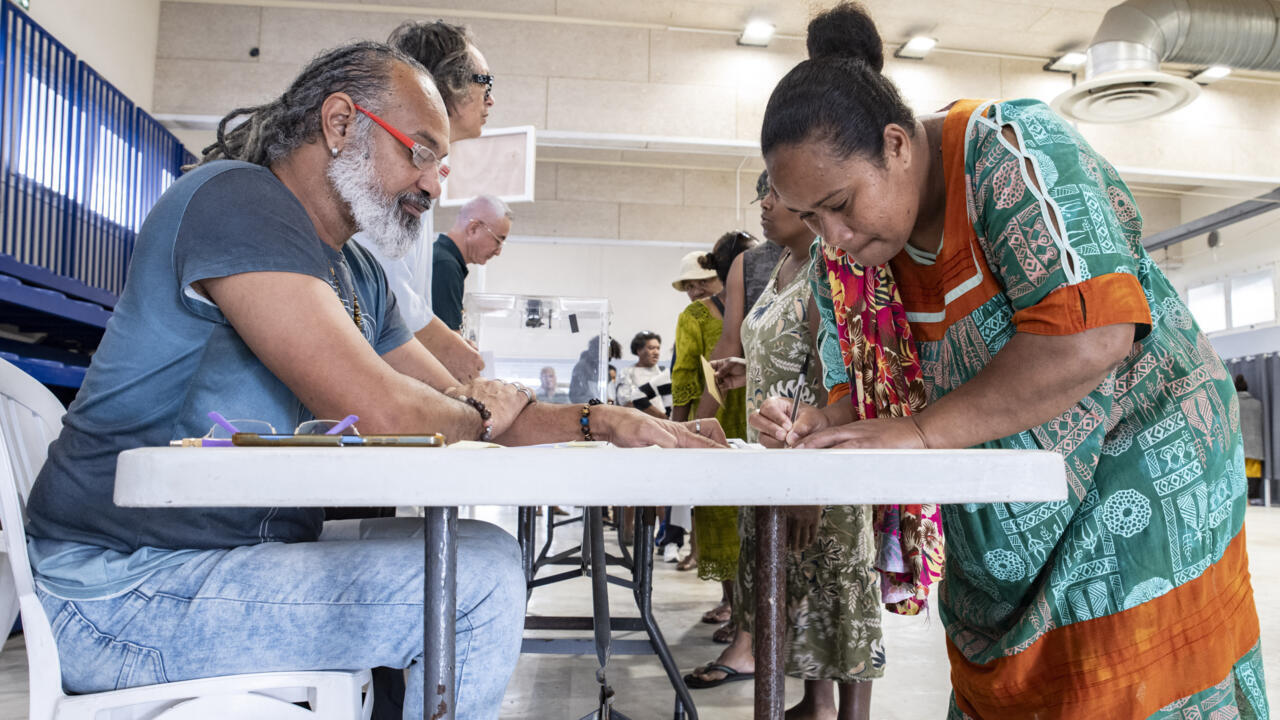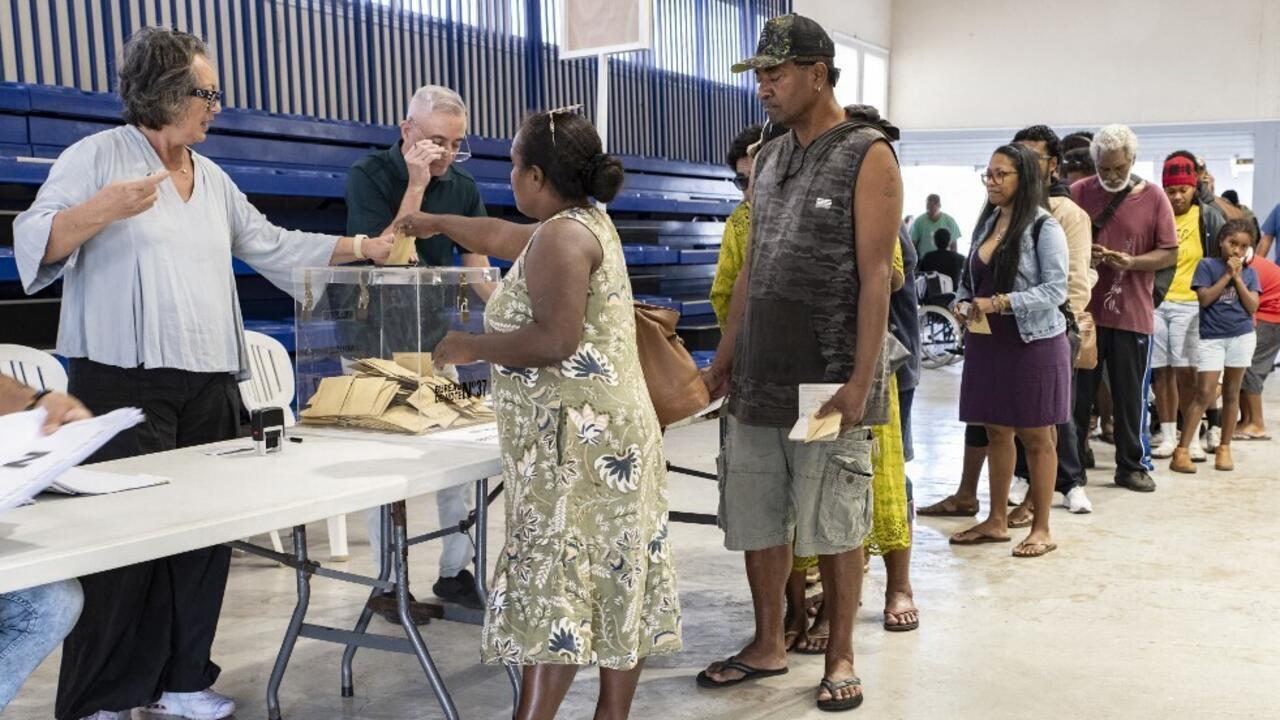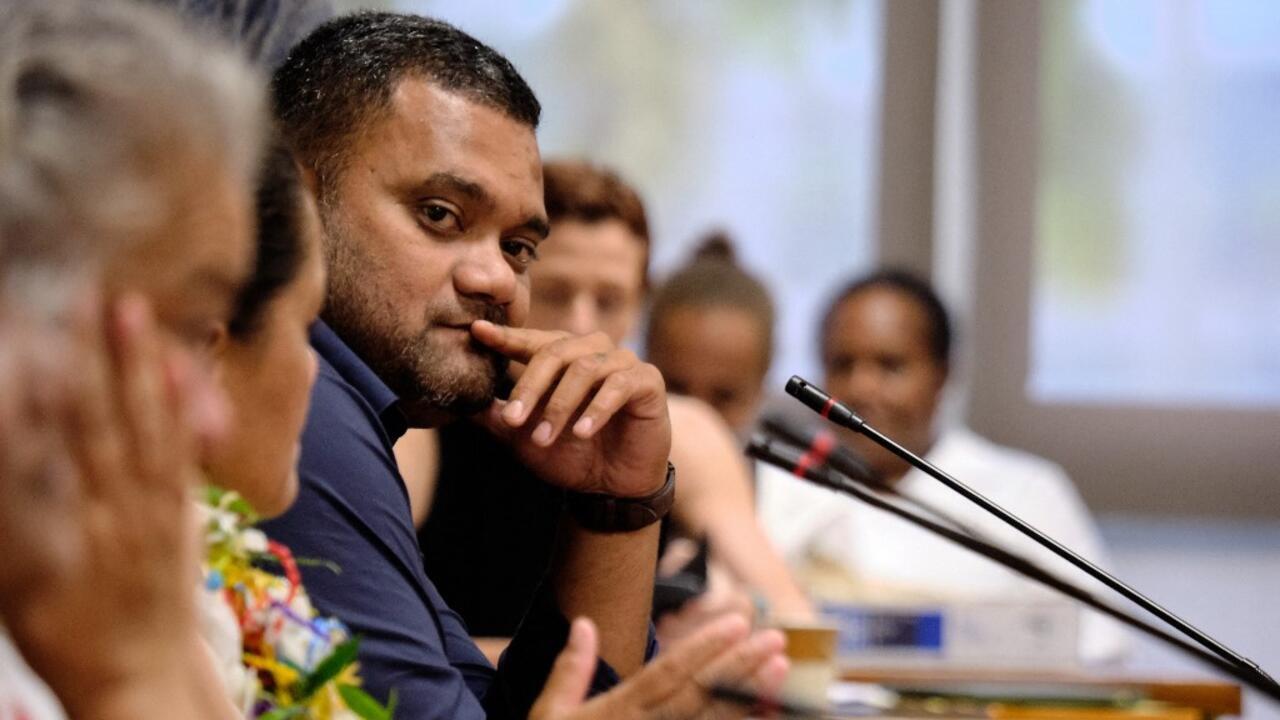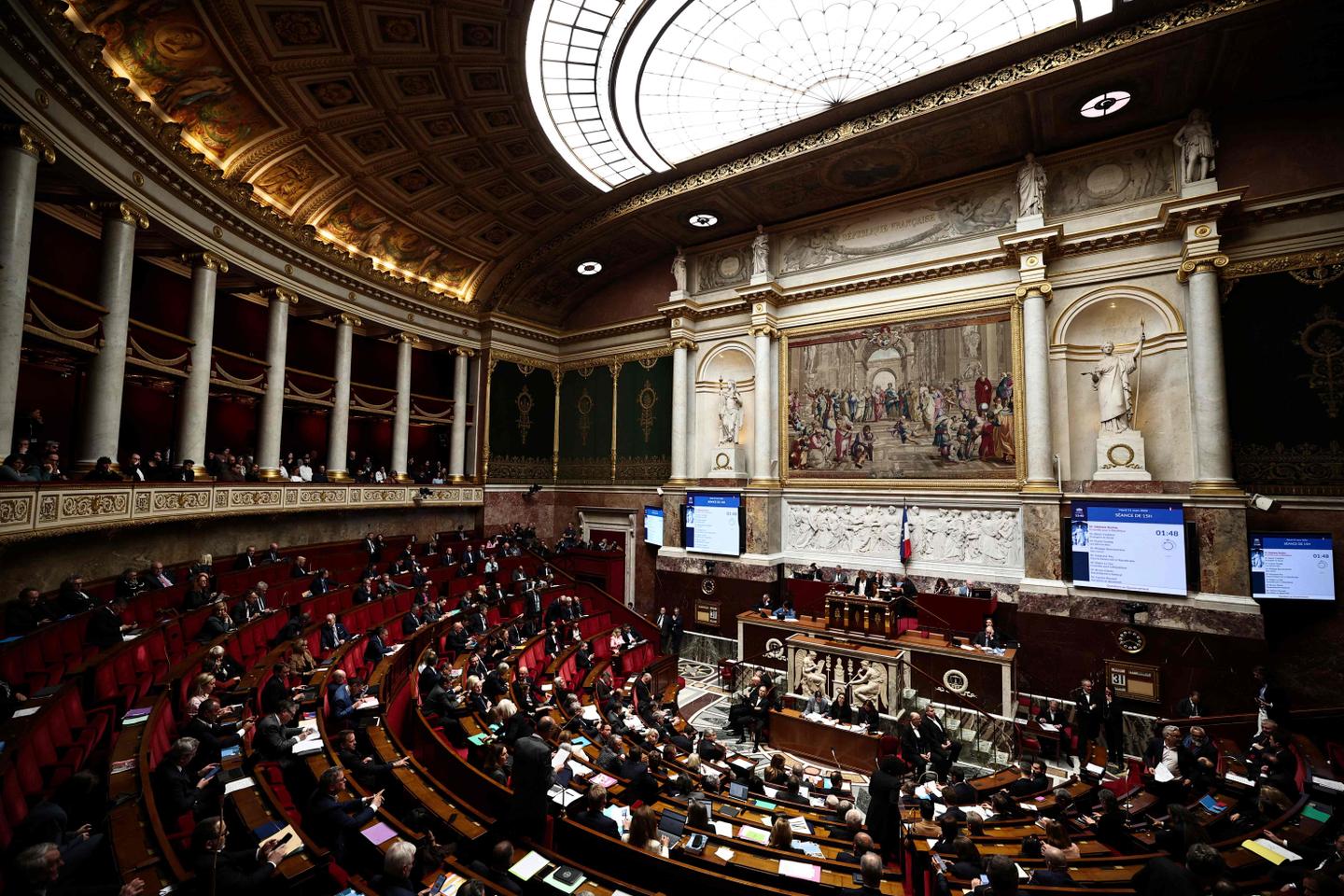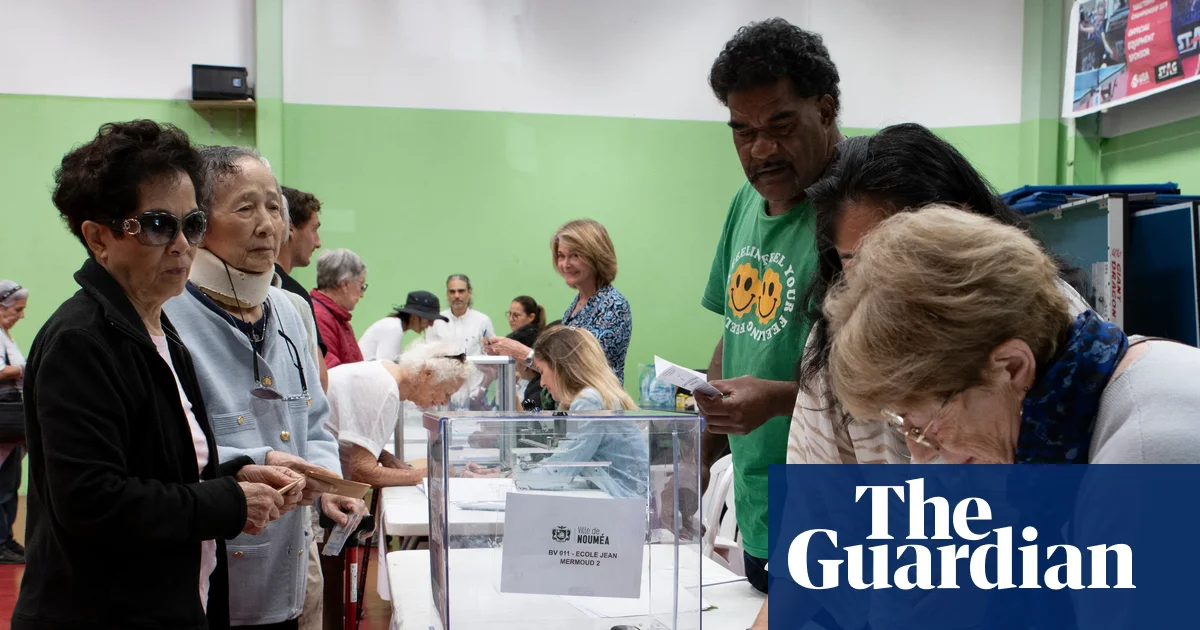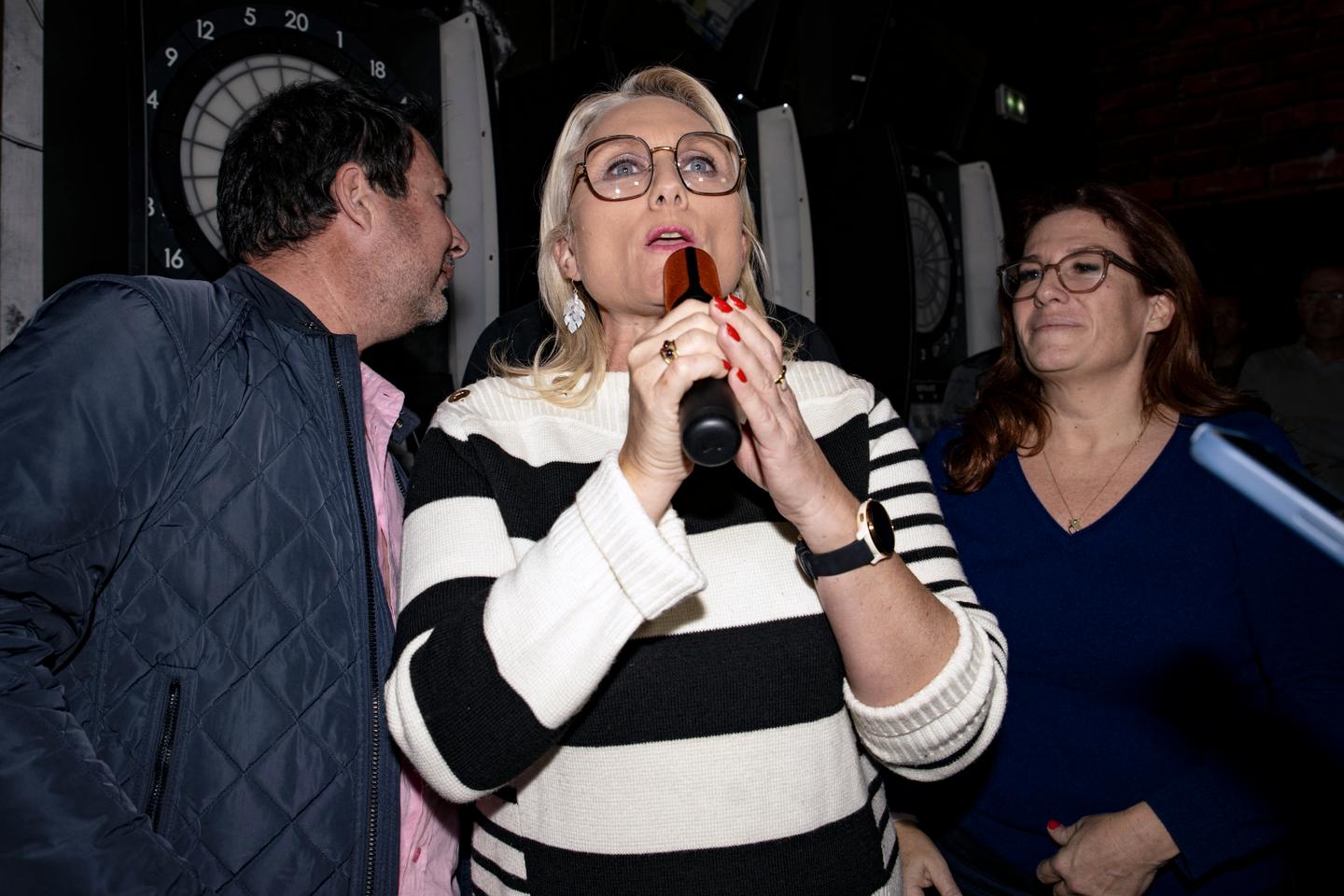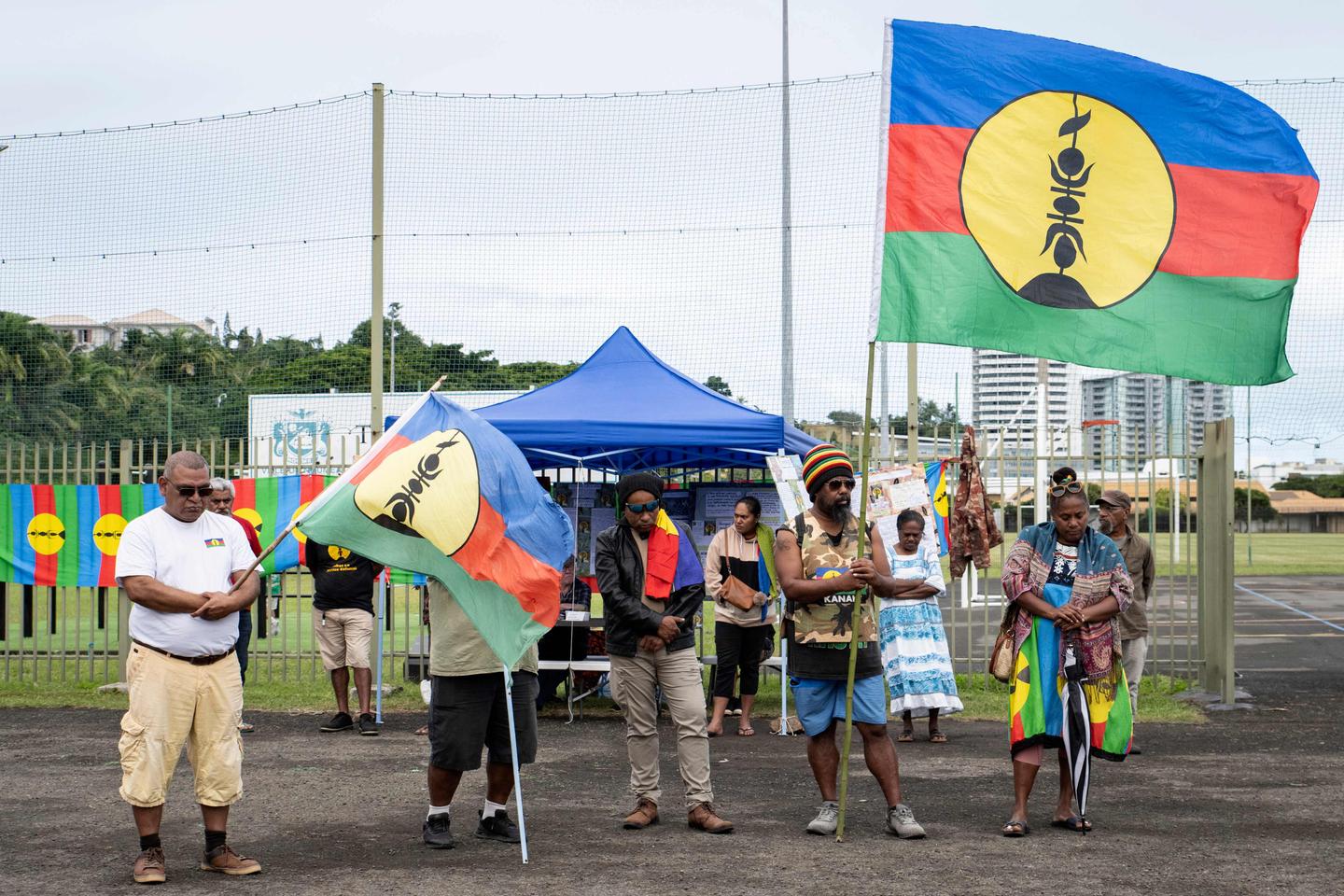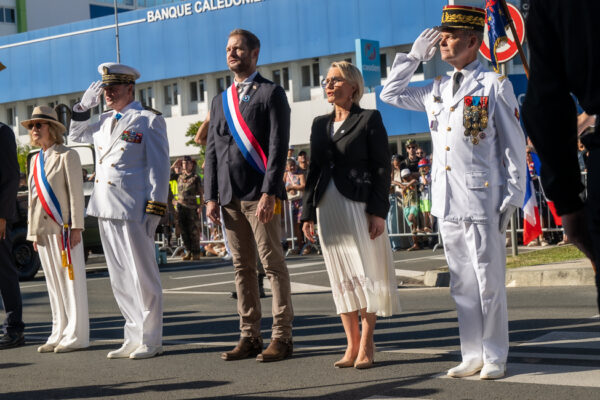
The French overseas territory of New Caledonia in the southwest Pacific, which has endured a decade of political turbulence, social tensions, and economic shocks, has emerged from elections held on June 28 with a new president. Virginie Ruffenach, leader of the French loyalist Rassemblement (The Rally) Party, was elected president of the New Caledonia Congress on July 10 after negotiating a coalition with the Polynesian Islander-led Eveil Océanien (Oceanian Awakening) Party to achieve the majority to govern.
Ruffenach emphasized unity and dialogue in her inaugural speech as she prepares to preside over a Congress divided between the pro-independence and loyalist blocs.
“Our ambition is clear: to put our territory back on the path to recovery. We must rebuild our economic tools, repair our social fabric and restore trust. This is essential because no society can build its future when doubt undermines minds and institutional instability compromises public action,” Ruffenach stated on July 10.
New Caledonia is home to more than 290,000 people. More than a century and a half after French colonization, about 41 percent are Kanak islanders and 24 percent of European heritage. Another historical legacy is the political gulf between the pro-independence, mostly Indigenous-led movement, which is deeply committed to self-determination, and loyalists who prioritize economic stability and security, which they believe is only attainable under France’s oversight.