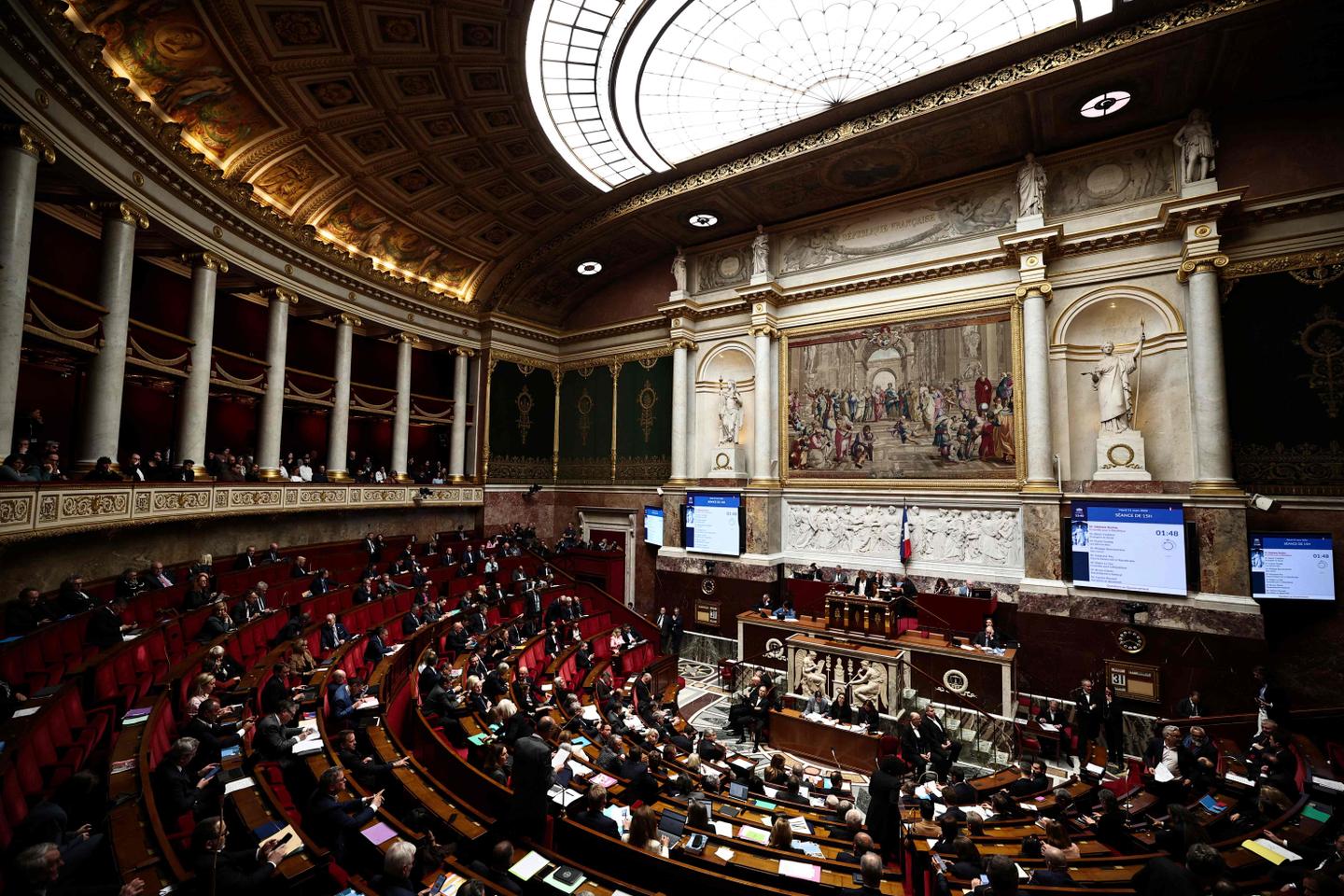
France's Assemblée Nationale unsurprisingly rejected the government's proposed constitutional bill to reform the status of New Caledonia on Thursday, April 2. Prime Minister Sébastien Lecornu responded that he would convene pro-agreement New Caledonian groups "next week."
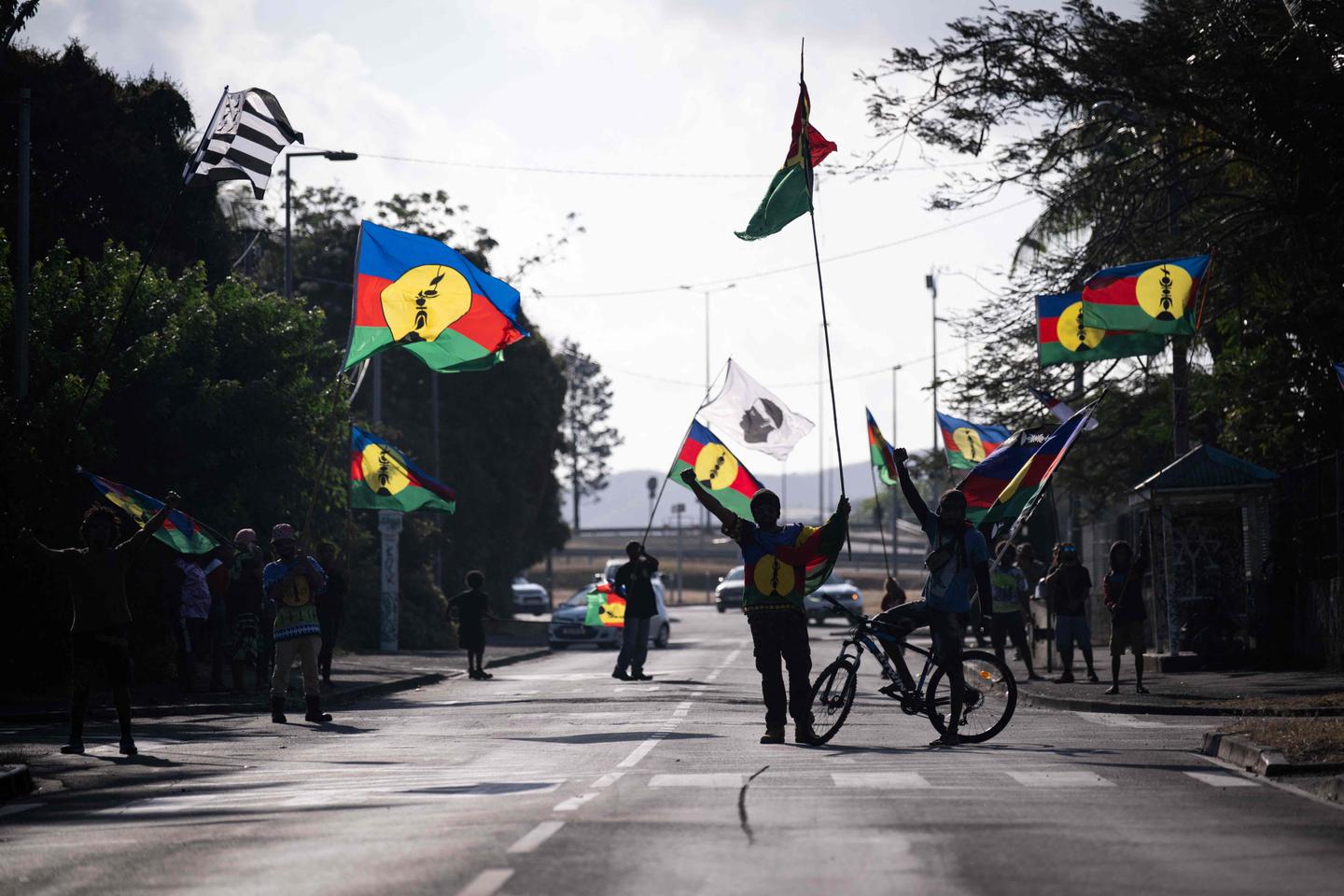
Tensions flared at times in the chamber, nearly two years after a previous reform attempt that sparked deadly riots in the archipelago that killed 14 people and plunged the local economy into crisis. The result was never in doubt: All of the left and the far-right Rassemblement National had already announced they would support a motion to reject the bill as soon as debate opened.
Submitted by New Caledonian pro-independence MP Emmanuel Tjibaou (Communist and Overseas Group), the motion passed by 190 votes to 107. The government's bill now returns to the Sénat as part of the parliamentary shuttle, leaving its future highly uncertain, at least in its current form.
Lecornu accused the Assemblée of having "refused to debate" and immediately responded on X that the government would "take responsibility" by next week convening the signatories of the pivotal Bougival agreement, which aimed to define the territory's future institutional status within France.