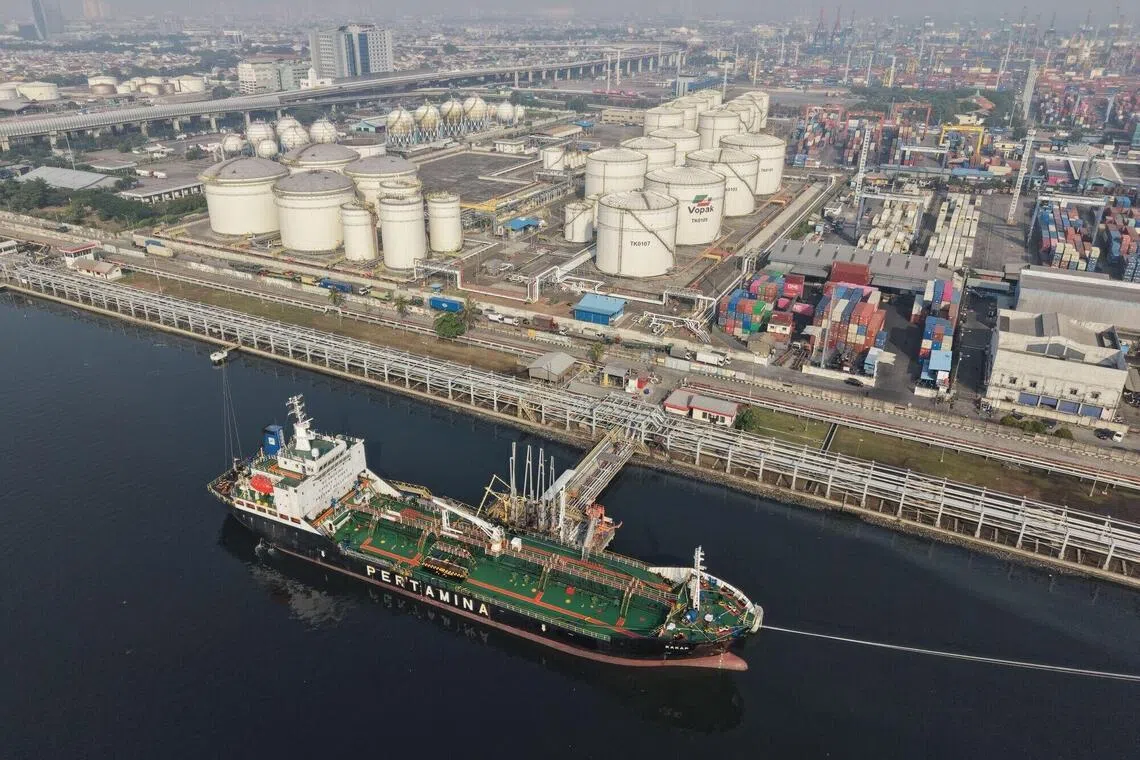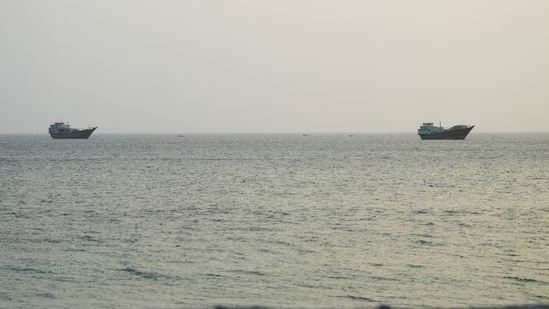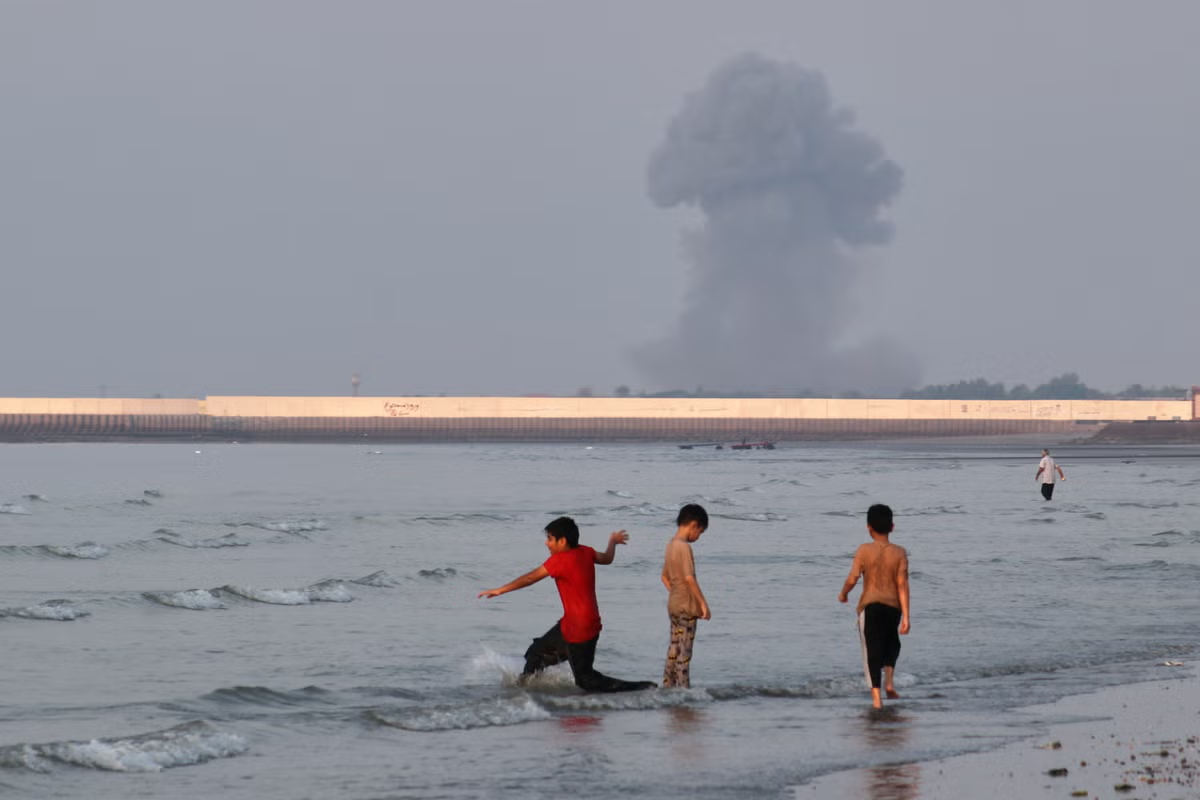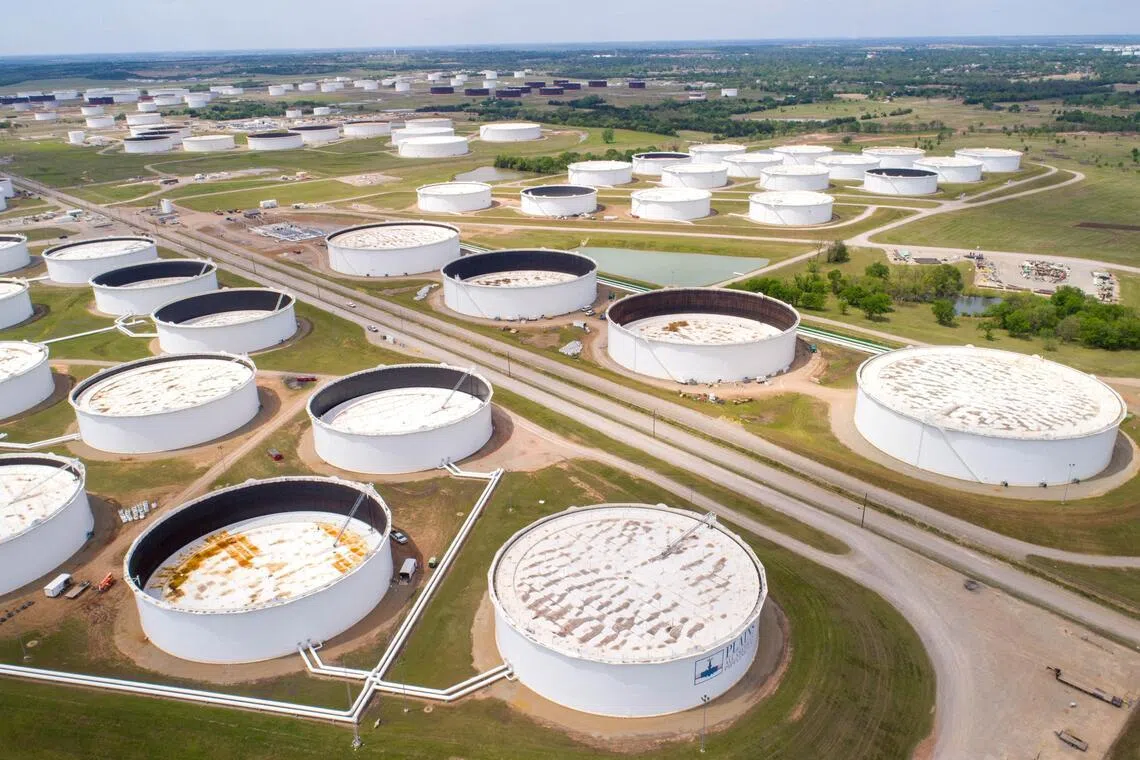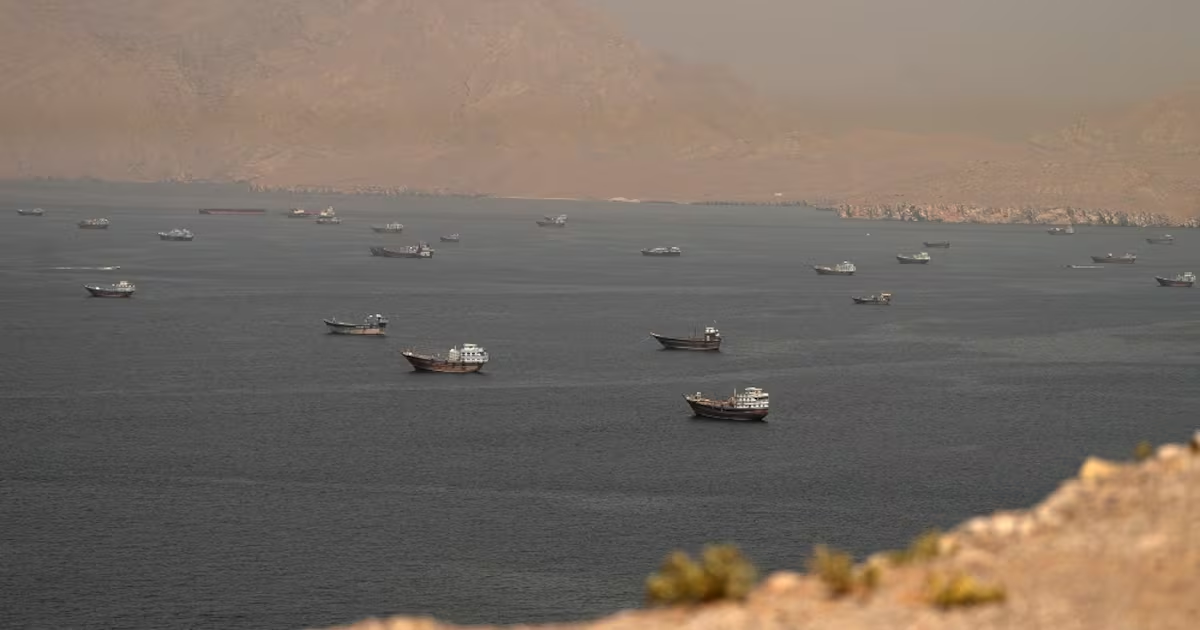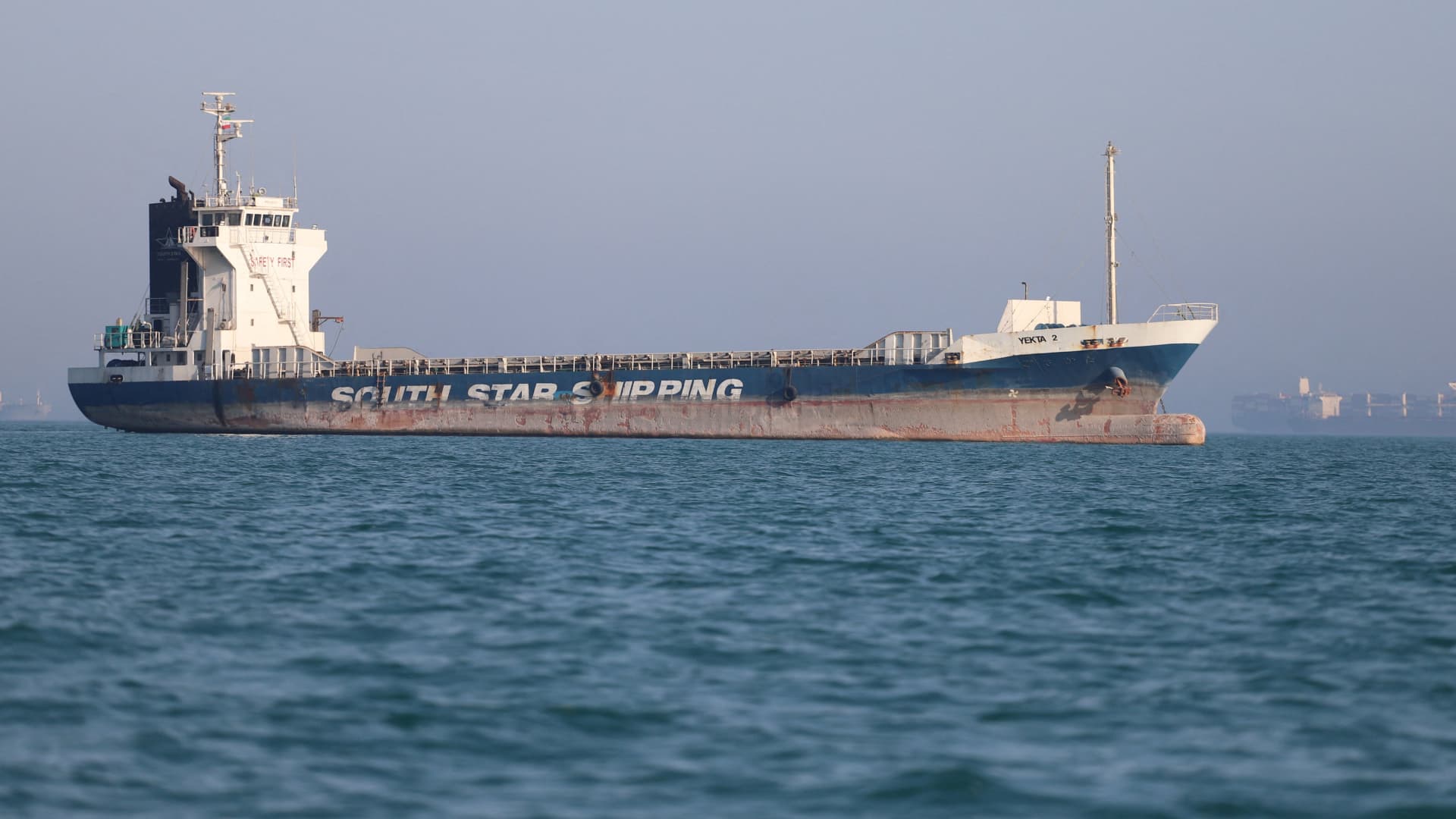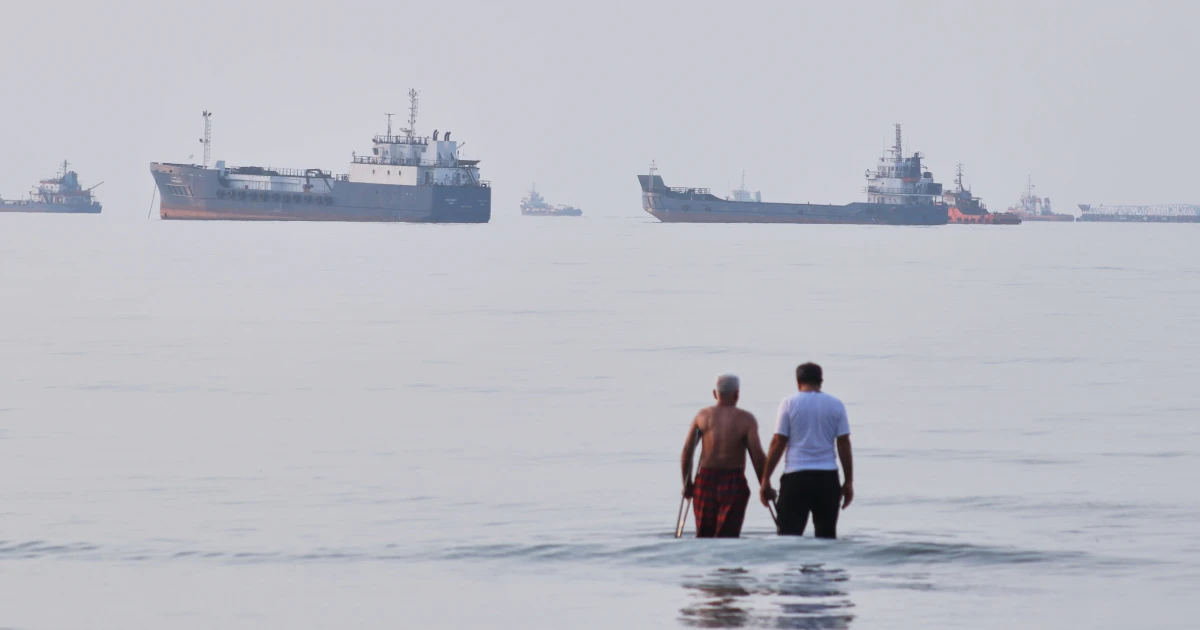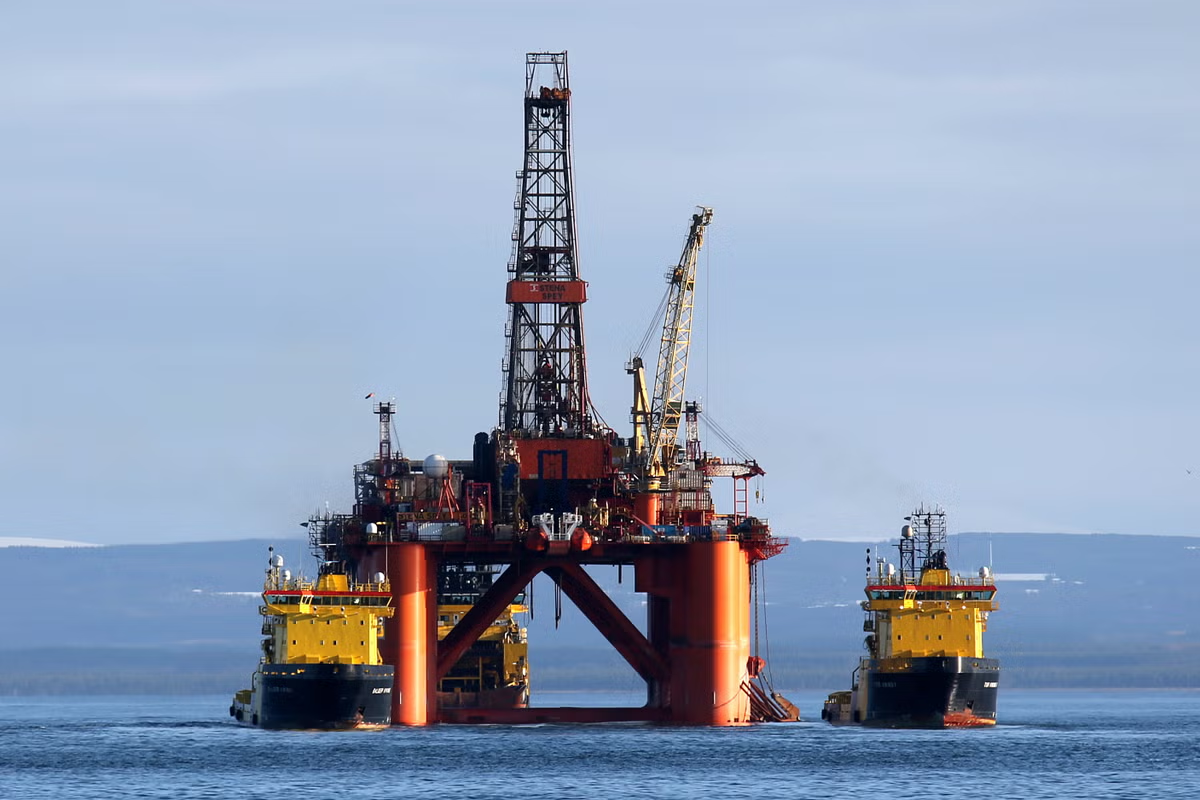
Oil rose for a third day as US president Donald Trump threatened further strikes on Iran, hours after the US resumed its blockade on the Islamic Republic’s shipping through the Strait of Hormuz.Global benchmark Brent advanced toward $86 a barrel after surging 11% in the previous two sessions, while West Texas Intermediate traded around $80. Trump told Fox News that the US will continue to strike Iran and may hit power plants and bridges next week unless Tehran comes to the negotiating table.The US completed strikes against Iran late Tuesday New York time, hitting dozens of military sites near the strait and along the nation’s coast, US Central Command said in a post on X. The seven-hour operation was intended to further degrade Tehran’s ability to threaten commercial shipping and civilian crews, it said.The US resumed its blockade at 4pm New York time, one hour after American forces launched the strikes. Meanwhile, Trump on Tuesday backed away from a plan he announced a day earlier to impose a 20% charge on shipments through the waterway.The reversal was a welcome sign for shippers shaken by the collapse of the US-Iran ceasefire and the prospect of further disruptions in the world’s most important energy chokepoint, through which about a fifth of global crude and liquefied natural gas normally passes. It also illustrated the bind Trump is in, as hostilities with Iran flare and Tehran refuses to loosen its grip on the waterway, putting upward pressure on oil prices.“While crude has started to find some balance after rallying from around $70, it still takes a brave shipowner to transit the Strait of Hormuz with the threat of attacks from forces aligned with Tehran remaining very real,” said Chris Weston, head of research at Pepperstone Group Ltd. “The broader geopolitical backdrop continues to deteriorate, providing ongoing support for crude prices and keeping buyers prepared to step back in should prices push toward the $90 area.”A handful of vessels still transited through the Strait of Hormuz on Wednesday, despite renewed US naval blockade and a recent surge in attacks on shipping. They include a US-sanctioned tanker carrying Iranian oil, a Greek-owned Suezmax loaded with Saudi oil making the passage and two fuel tankers and two bulk carriers.Oil has soared in recent days amid the renewed fighting in the region, including attacks on crude-laden vessels and Gulf nations including Kuwait, that have brought shipping to a near-standstill. Prices have climbed to their highest in about a month, recouping part of a roughly 30 per cent second-quarter decline, as the escalating conflict revives concerns over supplies from the energy-rich region.Over the past month, Persian Gulf producers had begun marketing additional crude after an interim peace agreement eased export concerns. The United Arab Emirates in particular proved highly successful at moving barrels by utilising shuttle tankers sailing dark, or with their transponders off.Meanwhile, in a widening of the conflict, the Iran-backed Houthi group in Yemen fired ballistic missiles and drones on Saudi Arabia, the first major escalation between the sides since they agreed to a ceasefire in 2022. The Houthis have become an integral part of Iran’s network of proxy militia across the Middle East.Elsewhere, an industry-backed group said US crude inventories fell 600,000 barrels last week. That would be the 11th decline in 12 weeks if confirmed by official data on Wednesday. - Bloomberg
Oil prices rise as Trump threatens further strikes on Iran
US resumes blockade on the Islamic Republic’s shipping through the Strait of Hormuz
557 words~3 min read