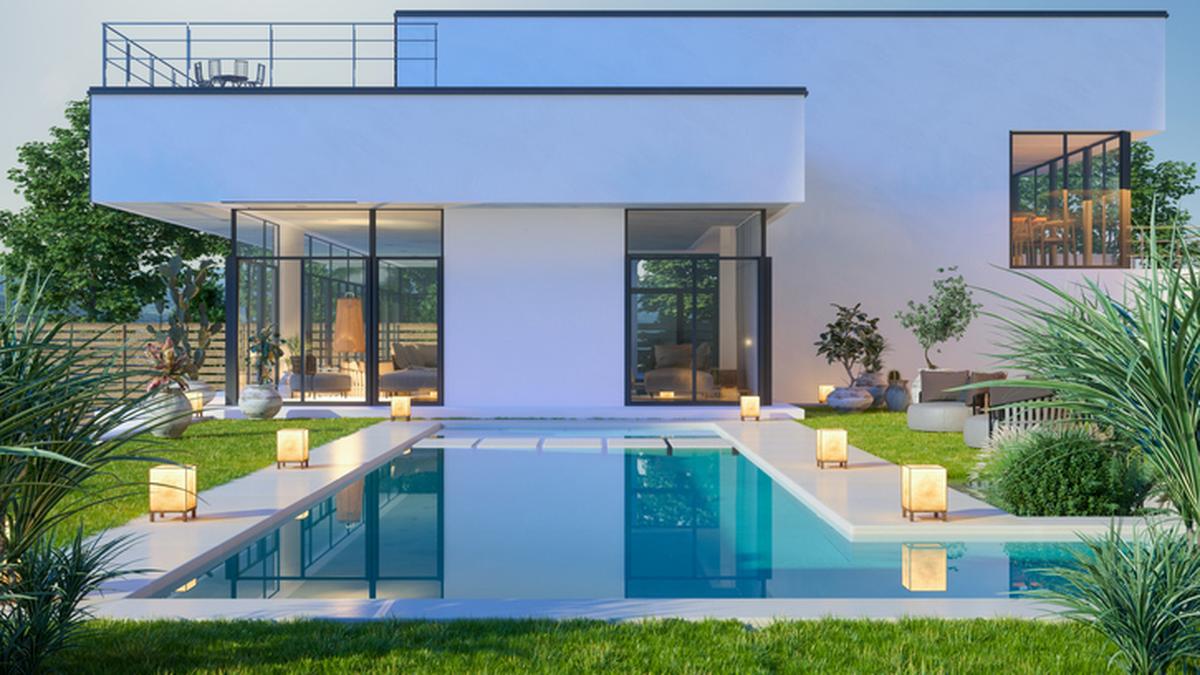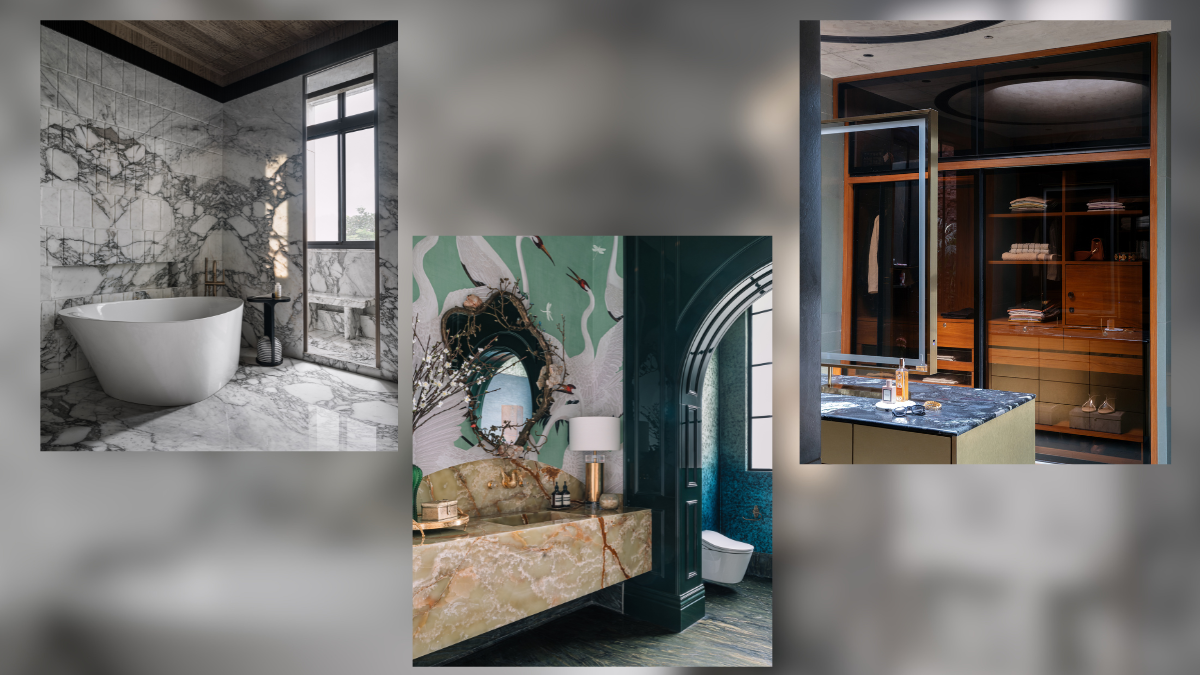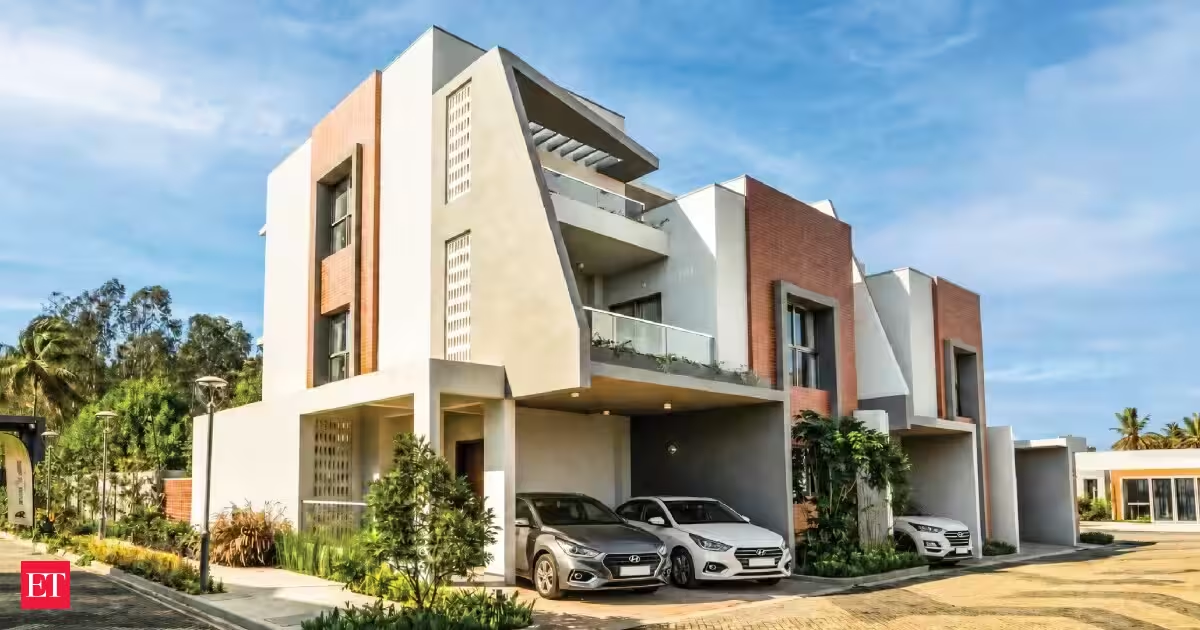
Indians' perspectives on luxury homes are evolving, emphasizing design, wellness, and community. The way Indians think about luxury homes is changing. While location and scale continue to matter, buyers today are equally focused on how a home supports everyday life, through better design, access to open spaces, wellness, convenience and a stronger sense of community. These changing expectations are influencing how developers approach residential projects across the country.Aishwarya Bansal on the Future of Luxury HomesAs Co-founder of Smartworld Developers, Aishwarya Bansal has been closely observing this shift. With a focus on design-led development and customer experience, she believes good design is about more than aesthetics, it's about creating homes that remain functional, relevant and enjoyable to live in for years to come. In this conversation, she talks about the evolving meaning of luxury, the growing influence of design on homebuying decisions, and what the next generation of homeowners will expect from the places they choose to live.1. Luxury homes have traditionally been associated with grandeur and exclusivity. Today, conversations are increasingly centred on comfort, wellbeing and everyday living. What, in your view, has changed?If you had asked this question five or ten years ago, luxury was mostly defined by scale. Bigger homes, premium finishes, and iconic addresses were seen as the ultimate symbols of success. Those things still have their place, but they are no longer what defines luxury on their own. What has changed is people's priorities.Today's homebuyers are much more conscious of the life they want to build. They are not just looking for an impressive home. They want a home that gives them peace of mind, more time with family, access to nature, better amenities, and a sense of belonging. Luxury has become far more personal than it used to be.For me, the biggest shift is that time has become the ultimate luxury. If your home makes your daily life easier, cuts down your commute, gives you spaces to relax, and lets you spend more meaningful time with the people who matter most, that is true luxury. More than owning something exclusive, it's about living better every single day.This shift has also changed the way we approach development. We, at Smartworld, no longer think of ourselves as just building premium residences. We are creating complete ecosystems where homes, workspaces, retail, hospitality, wellness, and open spaces come together in a way that feels natural and connected.2. When you say 'good design', what does that actually mean? Is it about aesthetics, architecture, functionality, or something deeper that influences the way people experience a home?Good design is often misunderstood as something that is visually appealing. A beautiful facade or an elegant lobby certainly creates a strong first impression, but for me, good design goes much deeper than aesthetics. It is about how a space makes you feel and how naturally it becomes a part of your everyday life.A well-designed home understands the rhythm of the people who live in it. It welcomes natural light, creates a sense of openness without compromising privacy, and ensures every space has a purpose. Often, it is the smallest details that have the biggest impact because they shape how you experience a home every single day.What is particularly interesting is that this way of thinking is now being reinforced globally. The wellness movement has fundamentally changed how we approach architecture and design. Concepts such as biophilic design, circadian lighting, neuro-architecture, and sensory design are no longer niche ideas. They are becoming integral to modern developments because they have a real impact on how people feel, helping reduce stress, improve wellbeing, and create healthier living environments. (Global Wellness Institute)I also believe good design should stand the test of time. Trends will always come and go, but thoughtful planning, timeless architecture, and quality execution never go out of style. A truly well-designed home should feel just as relevant and desirable years after it is delivered as it did on day one.Co-founder of Smartworld Developers Aishwarya Bansal3. Do today's homebuyers consciously recognise good design, or do they simply experience its impact through natural light, thoughtful layouts, privacy and community spaces? How has buyer awareness evolved over the years?I think today's homebuyers are far more informed than they were a decade ago. Earlier, many buying decisions were driven by location, size, or brand alone. Today, buyers ask far more nuanced questions because they understand that design has a direct impact on the way they live.Not everyone will use terms like biophilic design or neuro-architecture, but they instinctively recognise what good design feels like. They notice when a home receives ample natural light, when spaces are well-ventilated, when there is a sense of privacy despite living in a community, or when the layout makes everyday life more comfortable. They may not always articulate it in architectural language, but they certainly experience its impact.I also think exposure has played a big role. People travel more, work from different parts of the world, and have access to global design ideas through digital platforms. As a result, expectations have evolved. Buyers are no longer comparing one project with another in the same city. They are comparing their future home with the best living experiences they have seen anywhere in the world.That shift has raised the bar for developers. It is no longer enough to create homes that look impressive in brochures or sample apartments. Buyers are evaluating how a development will support their lifestyle over the next ten or twenty years. They want homes that are efficient, adaptable, sustainable, and thoughtfully planned.For us at Smartworld, that is an encouraging shift. An informed buyer pushes the entire industry to build better, think deeper, and focus on creating homes that deliver lasting value rather than just a strong first impression.4. Many of the world's most memorable hotels, museums and public spaces are celebrated because of how they make people feel. Are luxury homes beginning to follow the same philosophy, where emotional experience becomes as important as architecture?Absolutely. I think that is one of the biggest shifts we are seeing in luxury real estate today.If you think about the places that stay with you, whether it is a great hotel, a museum, or a public space, it is rarely just because of the architecture. It is because of the way those spaces make you feel. They create a sense of comfort, calm, inspiration, or belonging. I believe luxury homes are increasingly being designed with the same philosophy.After all, a home is the one place people experience every single day. It should do much more than look beautiful. It should create a feeling of ease the moment you walk in. This is also why wellness has become such an important part of residential design. Around the world, there is growing recognition that our surroundings have a direct impact on how we think, feel, and live. Homes are now being designed not just for comfort, but to support wellbeing, reduce stress, and foster stronger human connections.well-designed luxury home in India five or ten years5. Looking ahead, what will define a truly well-designed luxury home in India five or ten years from now? Which aspects of design do you believe will become non-negotiable for the next generation of homeowners?I think the next generation of homeowners will expect homes that are intuitive, adaptable, and built around their lifestyles. Good design will no longer be seen as a premium feature. It will be a basic expectation.Natural light, better ventilation, flexible layouts, seamless technology, sustainability, and stronger connections to nature will become the fundamentals of a well-designed home. At the same time, wellness will evolve from being an amenity to a core design principle that shapes every aspect of how people live.We're already seeing global momentum in this direction. The Global Wellness Institute identifies wellness real estate as one of the fastest-evolving sectors worldwide, driven by growing demand for communities that seamlessly integrate health, sustainability, nature, and technology into everyday living.I also believe buyers will think beyond the four walls of their homes. They will place equal importance on walkable neighbourhoods, thoughtfully curated amenities, vibrant public spaces, and the convenience of having everything they need within easy reach. The quality of the community will become just as important as the quality of the residence itself.To conclude, luxury homes that will stand out five or ten years from now will be the ones that continue to enrich people's lives long after they are delivered. To me, that is what timeless design is all about."The homes that endure are never the loudest. They are the ones that remain relevant, intuitive, and deeply liveable for generations."Note to readers: This article is part of HT's paid consumer connect initiative and is independently created by the brand. HT assumes no editorial responsibility for the content, including its accuracy, completeness, or any errors or omissions. Readers are advised to verify all information independently.Want to get your story featured as above? click here!
Can Better Design Lead to Better Living? Aishwarya Bansal on the Future of Luxury Homes
Indians' perspectives on luxury homes are evolving, emphasizing design, wellness, and community.
1,484 words~7 min read