Developers, however, say start-up founders are only one part of a much broader shift.
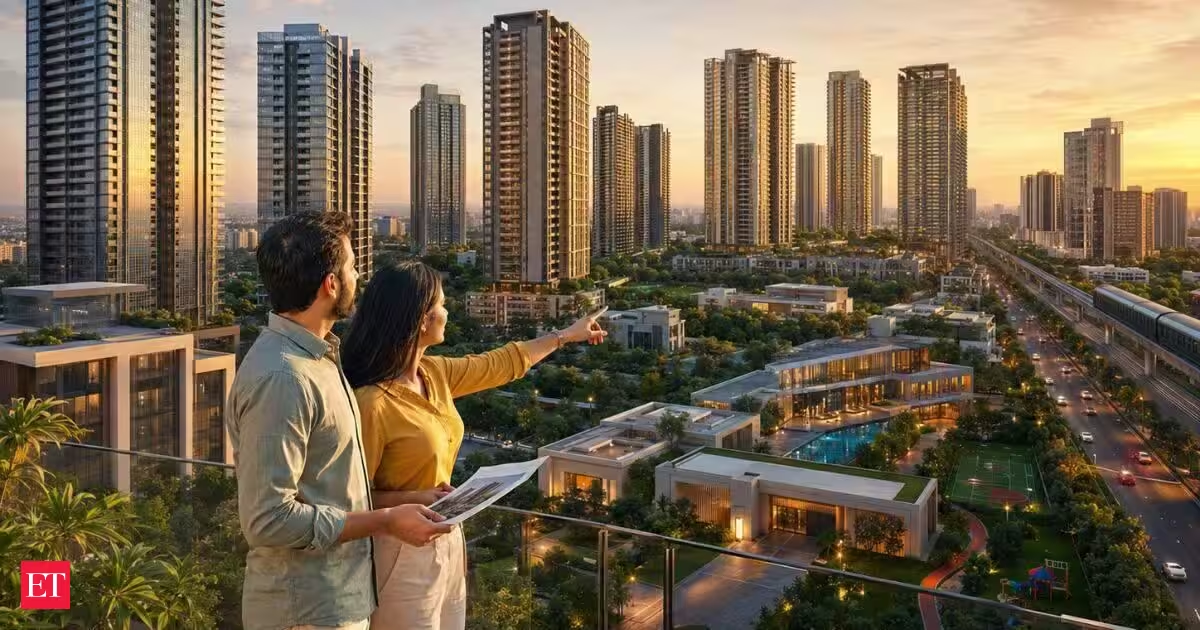
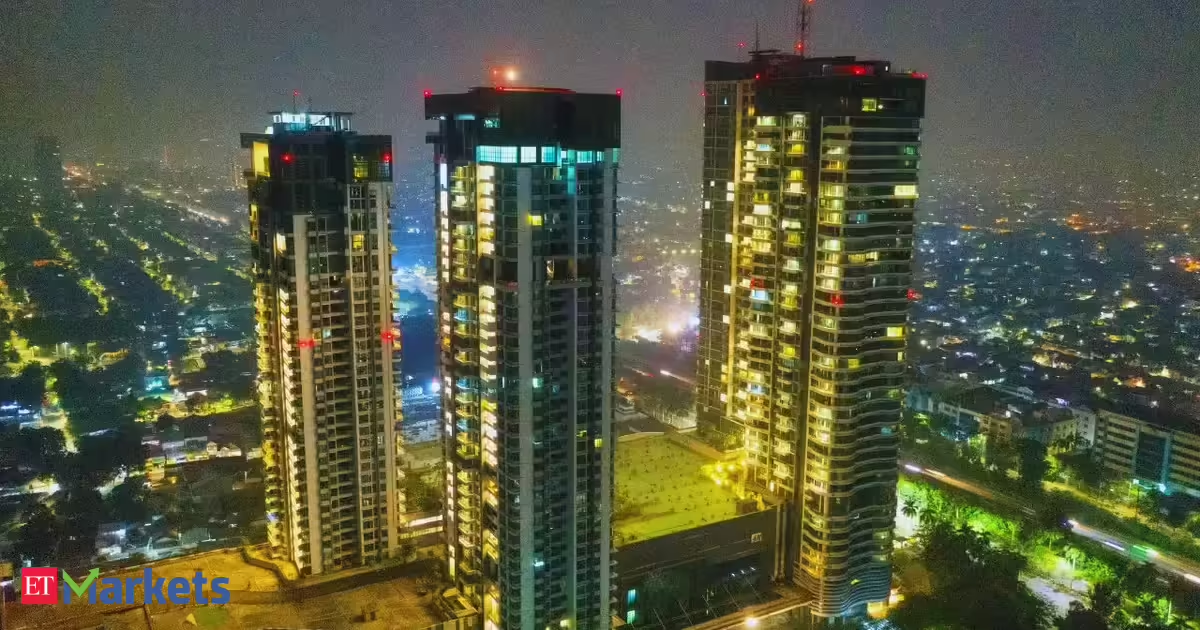
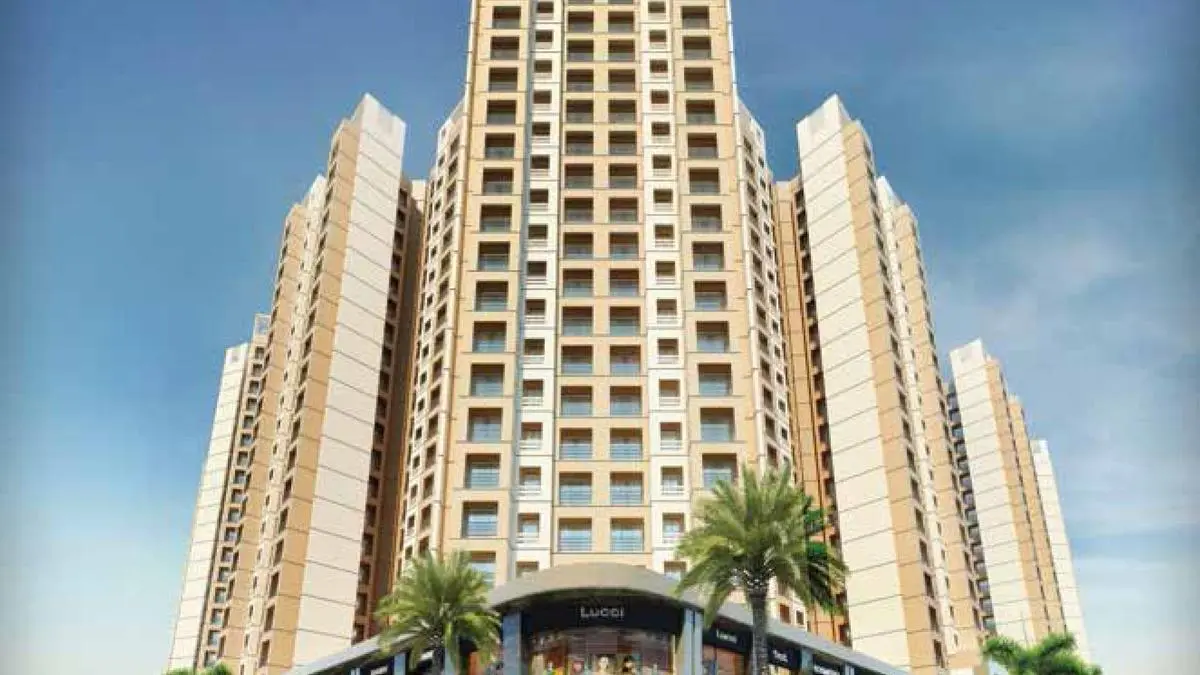
The face of India's luxury homebuyer is changing.For decades, the country's most expensive homes were the preserve of legacy business families and industrialists. Today, a different kind of buyer is walking into luxury sales offices — start-up founders cashing out after funding rounds, GCC leaders earning global pay packages, private equity professionals, pharma entrepreneurs and manufacturing promoters. The cheque books haven't become smaller. The people signing them have changed.The shift reflects a broader transformation in how wealth is being created in India. As entrepreneurial success, ESOP monetisation and high executive compensation generate a new class of affluent buyers, developers are rethinking not just where they launch projects but also the homes they build and the clientele they target."Five years ago, luxury homes were largely bought by second- and third-generation business families and senior corporate executives. The crowd is younger now — first-generation entrepreneurs, tech founders, GCC leadership and pharma promoters," said Anuj Puri, Chairman, ANAROCK Group."The pace and breadth of wealth creation have expanded significantly, so the buyer pool has widened. The old-money-only story no longer applies."luxury housingThe numbers reflect the shift. According to ANAROCK, luxury housing, priced above ₹1.5 crore, has appreciated about 40 per cent across the top seven cities since 2022, significantly outpacing affordable housing. Even as housing sales volumes softened in FY25, the sector recorded sales worth ₹5.59 lakh crore, driven by higher ticket sizes. Developers are responding accordingly, nearly 46 per cent of homes launched during the second quarter of 2025 were in the luxury and ultra-luxury segment, compared with just 12 per cent in the affordable category.The new wealth is also geographically concentrated. Bengaluru has emerged as a magnet for startup founders, GCC executives and technology leaders, while Mumbai continues to attract pharma entrepreneurs and promoters looking for trophy residences in Worli and South Mumbai. Gurugram, meanwhile, remains a preferred destination for HNIs and UHNIs seeking ultra-luxury developments.Developers, however, say start-up founders are only one part of a much broader shift."There is growing participation from first-generation wealth creators, global professionals and senior corporate leaders," said Anil R G, Managing Director, Concorde. Wealth creation is no longer confined to legacy businesses, he noted, but increasingly driven by entrepreneurship, technology, financial services and the broader knowledge economy.Liquidity events such as secondary share sales, fundraising rounds and IPOs have certainly created a visible cohort of startup founders entering the premium housing market, he said. Yet it would be premature to call them the dominant buyer segment.Instead, the bigger story is the rise of highly paid professionals. CXOs, investment bankers, private equity executives and technology leaders are increasingly competing alongside traditional business families for premium homes, backed by rising executive compensation, equity-linked wealth and global career exposure.That broader buyer mix is also reshaping what developers build.Rather than simply offering larger homes, developers are placing greater emphasis on privacy, timeless architecture, wellness amenities and bespoke experiences that appeal to buyers viewing luxury real estate as both a lifestyle upgrade and a long-term store of wealth.similiar trendBrigade Group echoes a similar trend. While startup founders are becoming more visible, particularly after liquidity events, Viswa Prathap Desu, COO (Residential), Brigade Group, said they remain a relatively niche segment in South India. Senior professionals, including CXOs, investment bankers and private equity executives, are increasingly driving demand alongside traditional HNIs.At Puravankara, the trend has accelerated since the pandemic. CEO-South Mallanna Sasalu said wealth created through ESOPs, buybacks and other liquidity events is increasingly finding its way into premium housing. The more pronounced shift, however, is the growing participation of high-income professionals who see luxury real estate as a stable long-term asset.Published on July 3, 2026