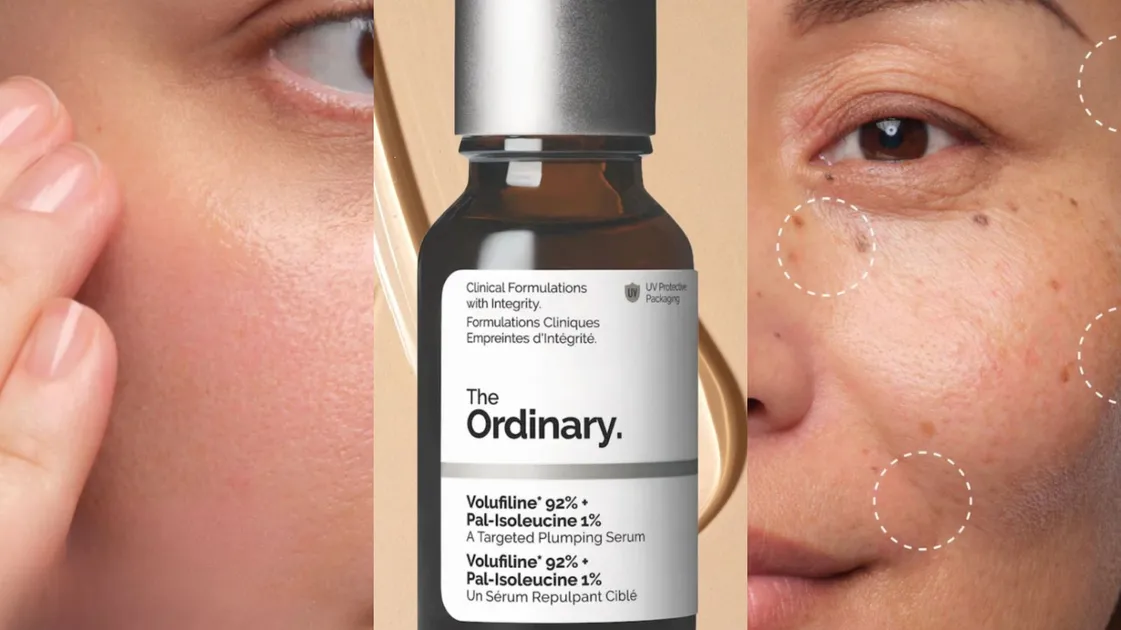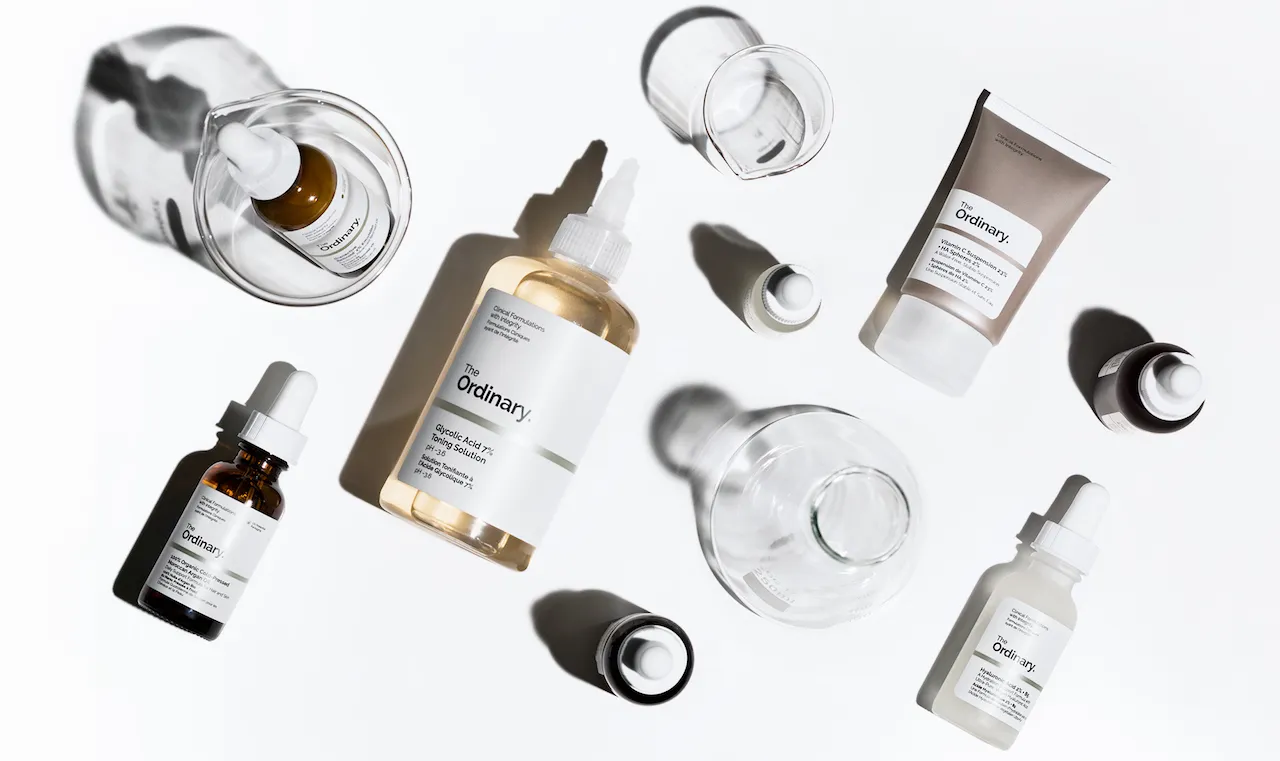
The Ordinary shook up the beauty aisle when it launched in 2016 with affordable skin-care formulations built around a single active ingredient, like hyaluronic acid or caffeine. A decade later, that approach appears to be helping the Estée Lauder-owned skin-care brand in a new era of beauty consumption.
According to data from 5W AI Communications, The Ordinary tops the list of beauty brands surfaced in AI citations. The brand’s products appeared in 7% of responses to beauty-related consumer prompts submitted to ChatGPT, Claude, Perplexity and Google AI Overviews. Skin-care brands largely dominated the top results, with CeraVe and La Roche-Posay also in the top five brands by AI citations.
Those results speak to a new discovery model where LLMs like ChatGPT and Google Gemini prioritize ingredients and expert credentials to surface product recommendations.
“Brands are using ingredient transparency. They’re talking about their dermatologist credentials,” said Ronn Torossian, founder and chairman of 5W AI Communications. “And that is what AI engines like to see: more detail, more description, more facts.”
In recent months, beauty retailers like Sephora and Ulta Beauty have announced partnerships with tech giants like OpenAI and Google, respectively, to integrate AI into their platforms. Those partnerships are growing as AI threatens to upend traditional search as a primary discovery path: According to a September 2025 report from digital marketing agency WSI, 58% of Google searches result in zero clicks to external websites.