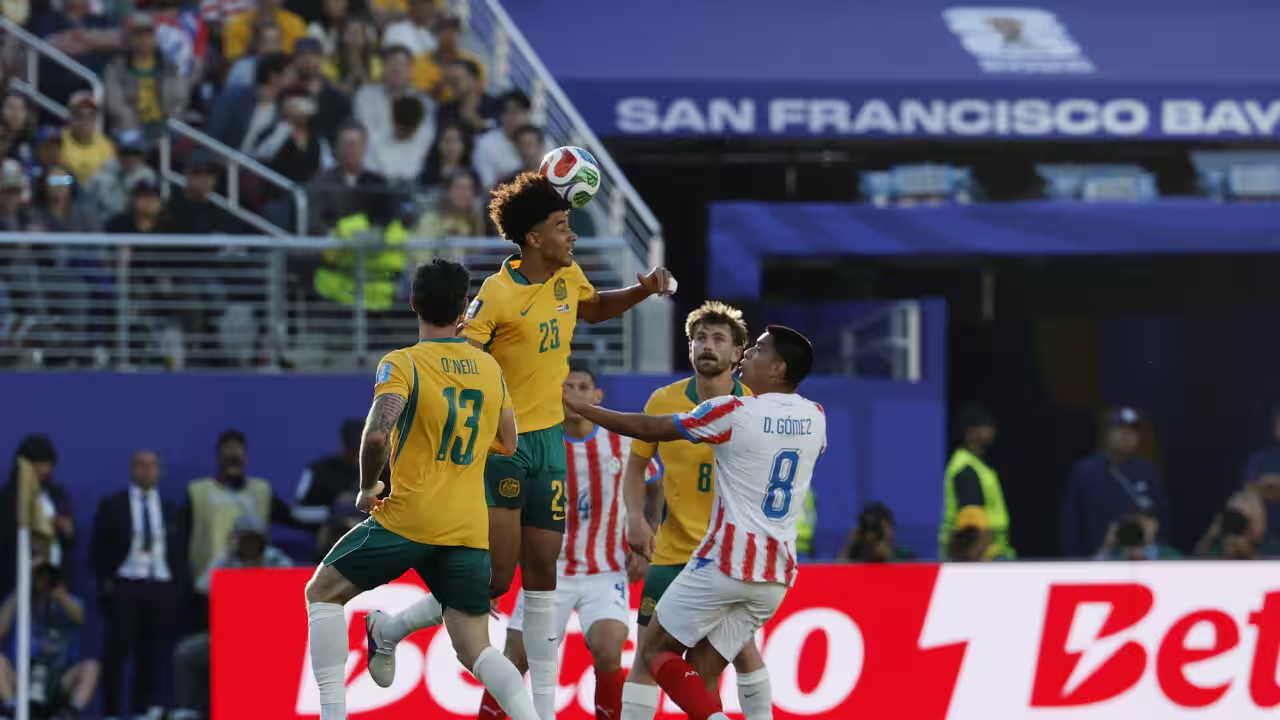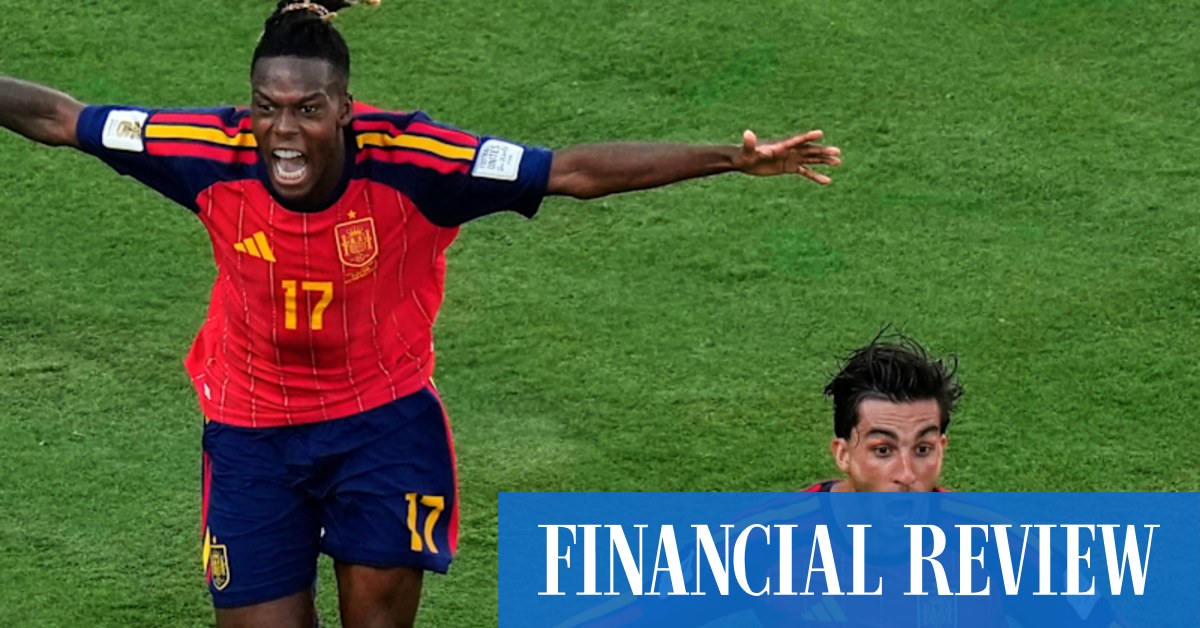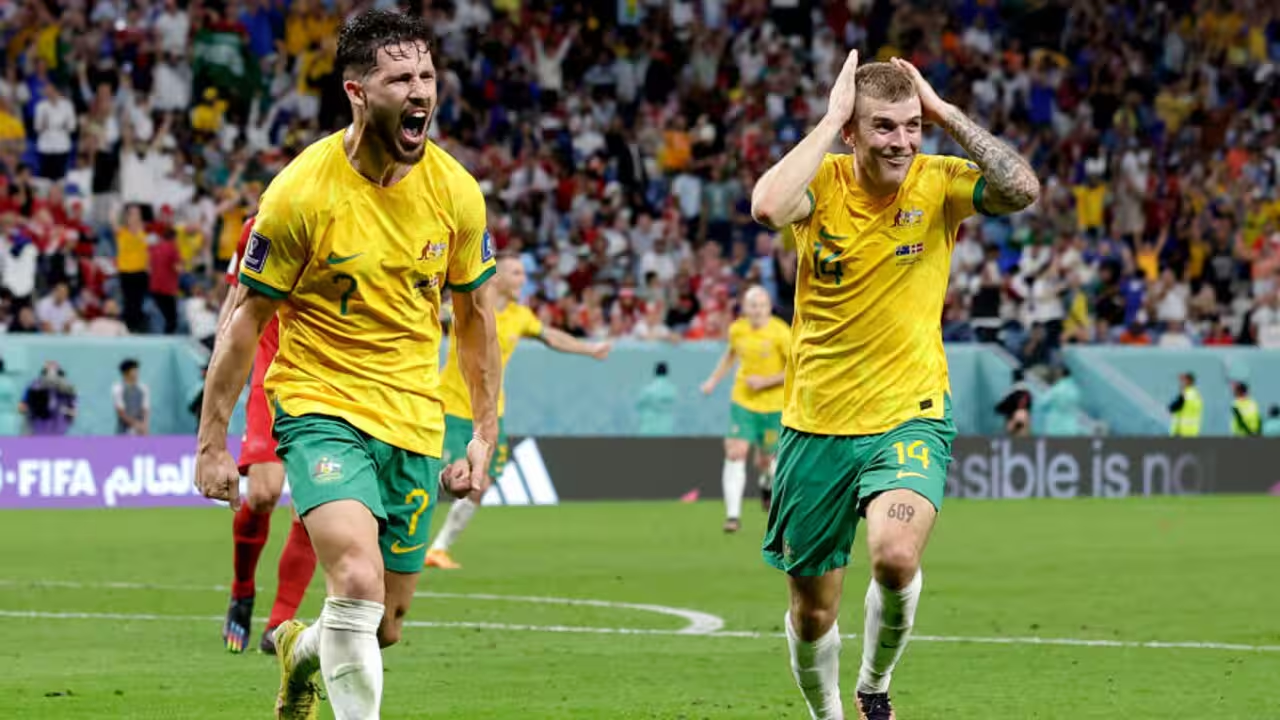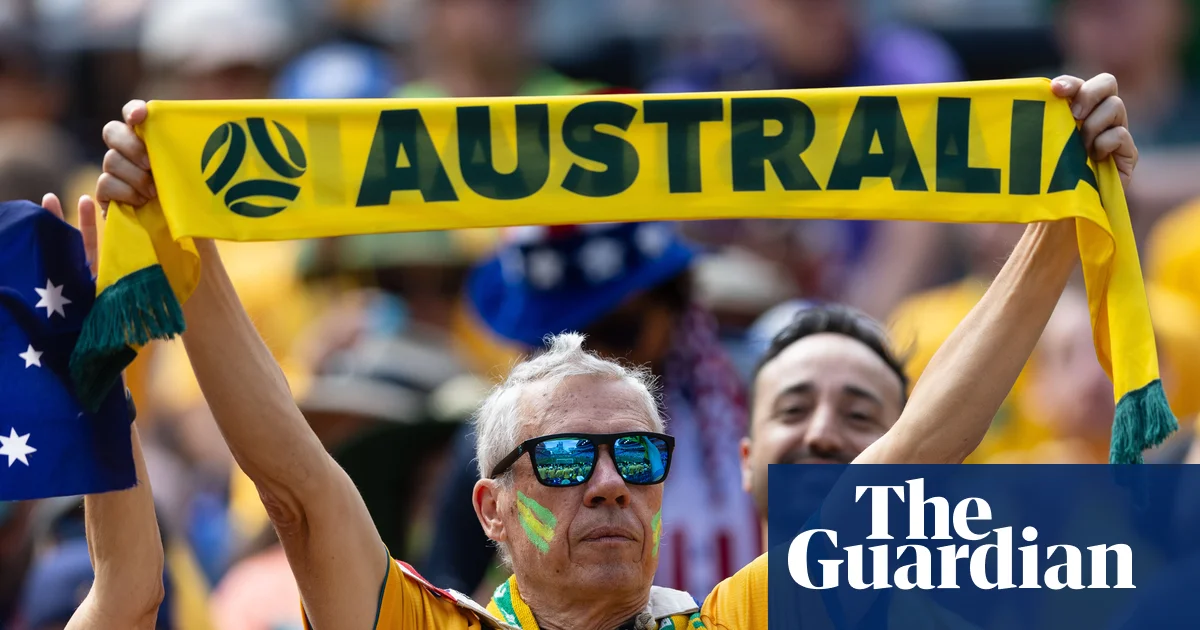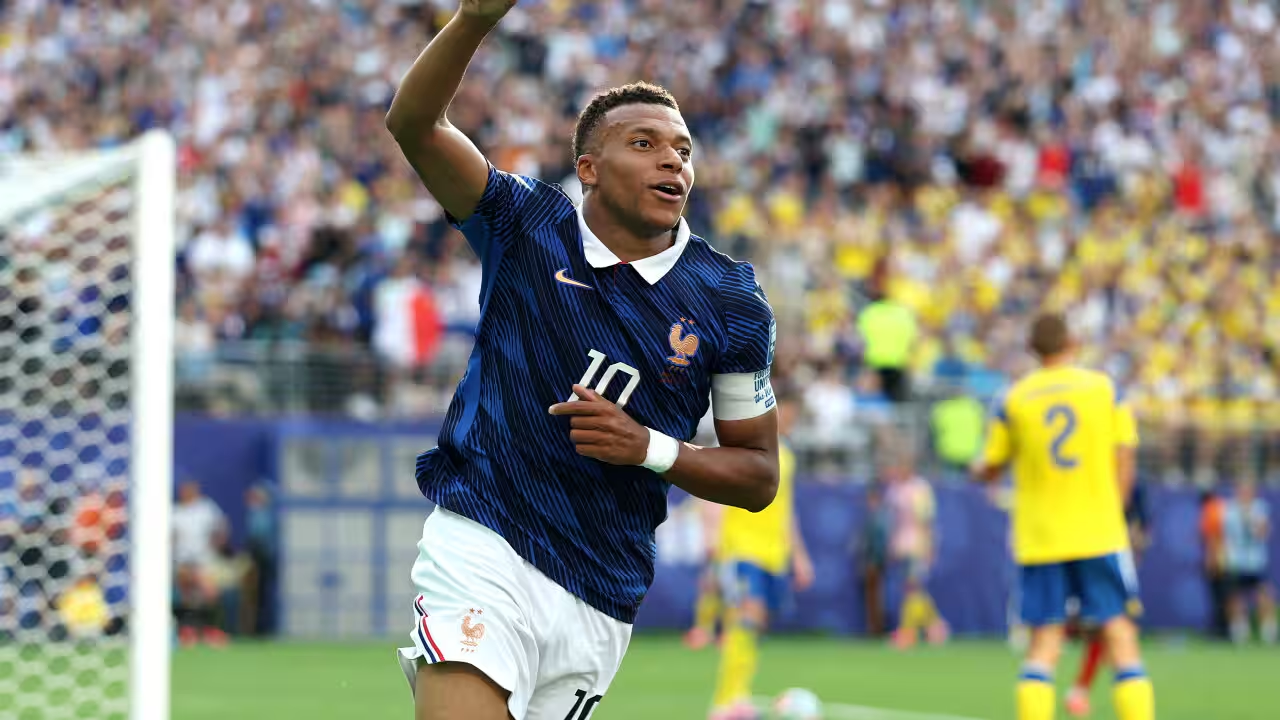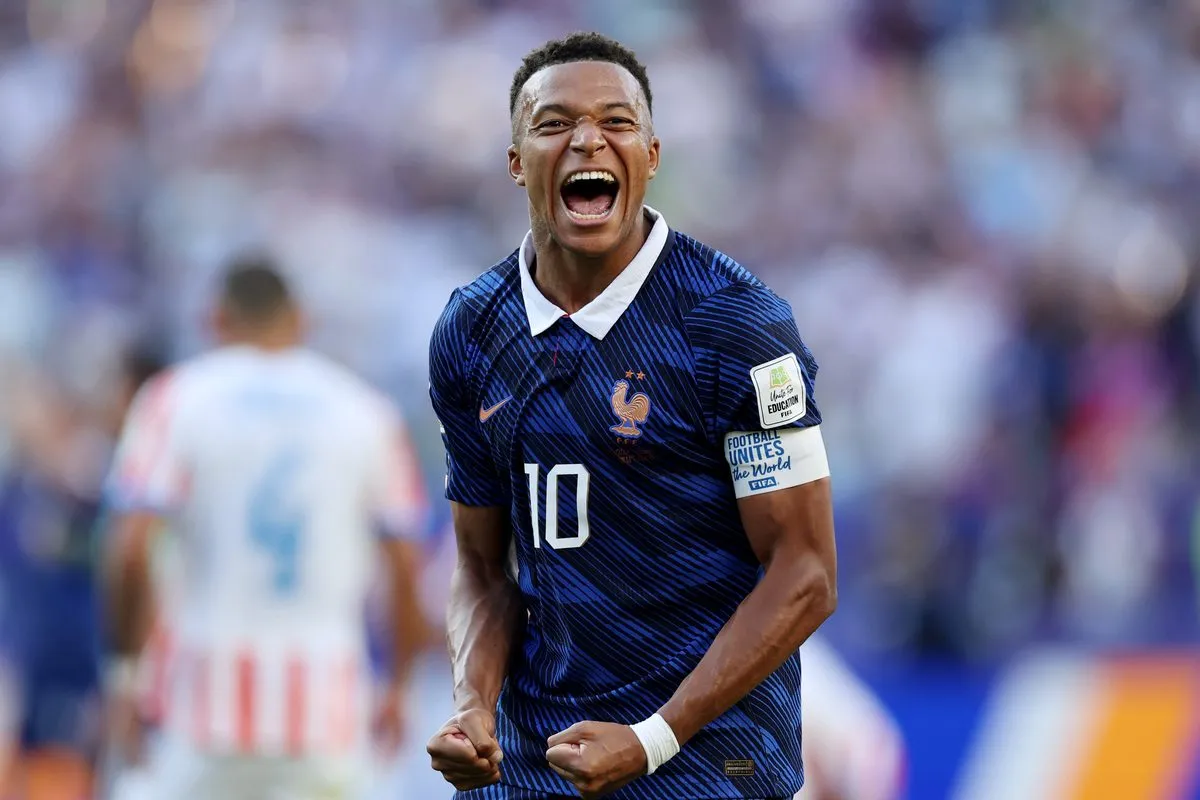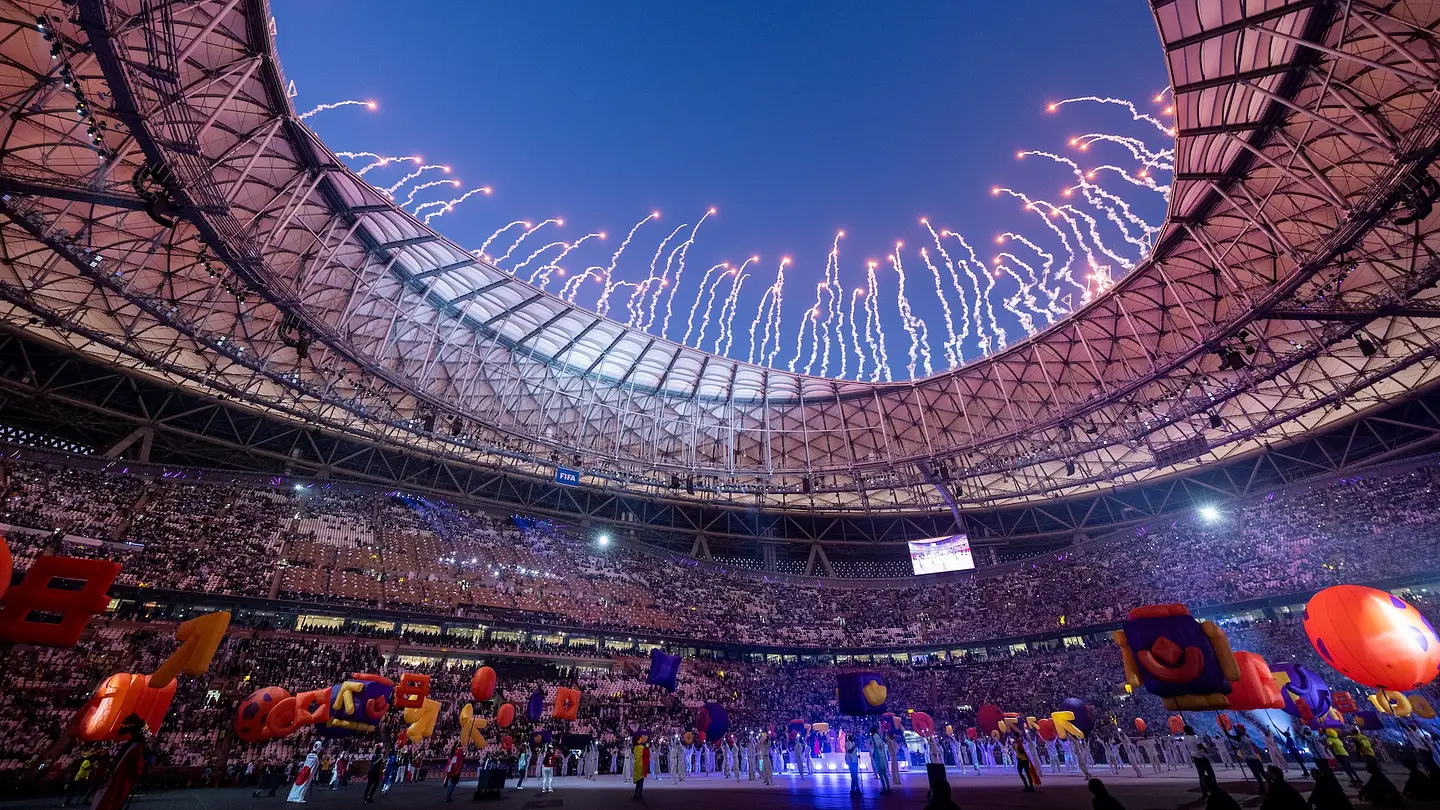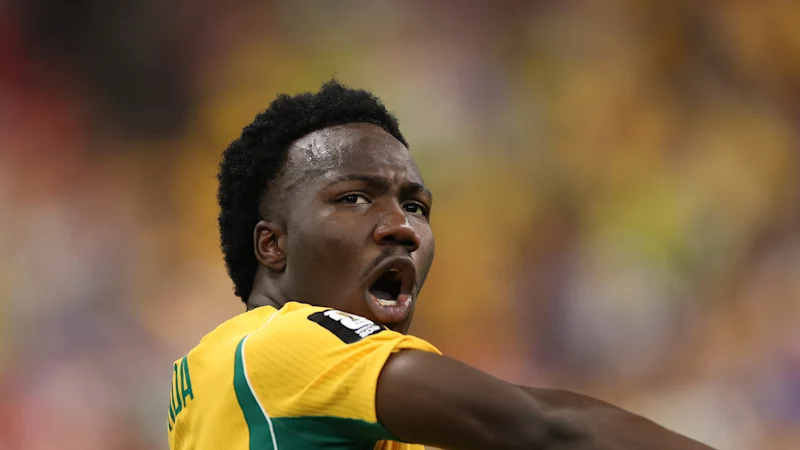
July 15, 2026 — 2:53pmMore than 17 million Australians have viewed the FIFA World Cup on SBS during the first 100 matches of the tournament, with each game reaching an average audience of 1.3 million people, audience figures show.Australia’s final group stage match against Paraguay – a 0-0 draw which saw both teams qualify for the knockout stage – has been the most-viewed match to date, reaching 4.86 million viewers. The viewing numbers are an unbridled success for the hybrid public broadcaster, which according to sources paid just $30 million to air all 104 matches for free, as previously reported by this masthead.The 2026 World Cup has delivered record ratings for SBS.Getty ImagesThree matches have reached more than 4 million Australians during the tournament, with a further three watched by over 3 million.The quarter-final double-header on Sunday including England’s 2-1 win over Norway followed by Argentina’s victory over Switzerland comprised two of the five most-watched matches to date, reaching 4.35 million and 3.71 million viewers respectively. Figures for Spain’s semi-final win over France on Wednesday morning are not yet released.Reach represents anyone who viewed at least one minute on broadcast television or 15 seconds on SBS On Demand. The England vs Norway match had an average audience of 2.1 million throughout the entire broadcast, for example.But the success of the expanded 2026 FIFA World Cup could make it harder for SBS to retain the rights to the tournament in full and for free in future, says SBS’ director of sport Ken Shipp. A decades-long relationship with the sport’s governing body does work in its favour, he says.“The short answer is yes,” said Shipp, when asked whether the massive audiences the World Cup has delivered to SBS over the past six weeks will make it harder for the public broadcaster to retain the rights to the next tournament, held in 2030 across three continents.“SBS has a very strong relationship with FIFA, and I think we’ve proven over a 40-year period that we love the game, we give the game more love than anybody else, we have credibility in that space and we provide a free-to-air platform, which is very rare these days.”FIFA expanded the tournament from 32 to 48 teams in 2026, meaning there are 104 games instead of 64. FIFA boss Gianni Infantino said this week the governing body is considering whether to expand the next World Cup to 64 teams. It will be jointly hosted by Spain, Portugal and Morocco, with one match to also be held in each of Uruguay, Argentina and Paraguay to mark the centenary of the competition.In light of the record-breaking NRL contract signed by Foxtel and Nine last week, worth $757 million a year, the widely speculated fee of just $30 million paid by SBS looks like a bargain. The 104 games, while not broadcast in prime time or spread out across six months, is similar to the number of matches aired by Nine during a regular season of the NRL. Nine owns this masthead.While SBS has not publicly confirmed the $30 million price for the broadcast rights, it would equate to just under $300,000 per match. More than half the total games played so far, 57, have reached more than 1 million Australians, SBS told this masthead, citing figures from ratings agency OzTAM. With figures from the two semi-finals, third place play-off and the final still to come, the average viewer number per game is likely to rise further.SBS amortises the cost of the tournament across four years, as reflected in its annual reports.Shipp, who has spent some time with FIFA executives during the tournament, said he “can’t deny we have been looking at the next event”, but that no discussions have taken place and the focus remains on the tournament that is still ongoing.The boon hasn’t been limited to SBS’s broadcasts of the match, 55 per cent of which have been on streaming platform SBS On Demand. Its social channels have also exploded during the tournament, boosted by being one of the few broadcasters allowed to republish official match footage.The SBS Sport TikTok account began the tournament with 220,000 followers and now stands at 3.6 million, making it one of the largest sports pages in Australia.“It has absolutely exceeded expectations on a number of levels … the audience, the ratings, the quality and output of our production,” said Shipp, though he would not be drawn on the exact details on the commercial benefits the SBS has reaped so far.“We haven’t had time slots like this since ’94,” he added, the last time the tournament was held in the US. In 2002, the event held across South Korea and Japan was potentially the only other convenient time zone for local audiences, though Australia did not qualify.Part of that commercial success, however, stems from gambling advertising, which has been present across SBS’s match coverage. Unlike many other broadcasters, SBS offers an opt-out feature for certain advertising categories, including gambling firms, considering the ongoing scrutiny and policy to limit advertising from wagering firms currently under consideration.With FIFA expected to rake in $12.7 billion from this year’s tournament, some of its broadcast deals have raised eyebrows, particularly when considering the exorbitant cost of ticket prices, match-day food, beverages, merchandise and almost anything associated with the event.In May, The New York Times reported Fox’s $500 million outlay for the tournament rights in the US was worth about three times more, according to experts. The cut-price deal was thanks to the knock-on effects from FIFA moving the 2022 tournament to December, rather than its usual June and July time slot, the Times reported.The success of this year’s World Cup may prompt broadcasters with deeper pockets to take a run at 2030, but the time zones for matches will be less favourable.The Market Recap newsletter is a wrap of the day’s trading. Get it each weekday afternoon.Calum Jaspan is a media writer for The Sydney Morning Herald and The Age, based in Melbourne. Reach him securely on Signal @calumjaspan.10Connect via X or email.From our partners
17m viewers and counting: World Cup bargain delivers ratings screamer for SBS
The 2026 FIFA World Cup is a ratings bonanza - which could make it harder for SBS to retain the rights in future. Here are the five most-watched games so far.
1,006 words~5 min read