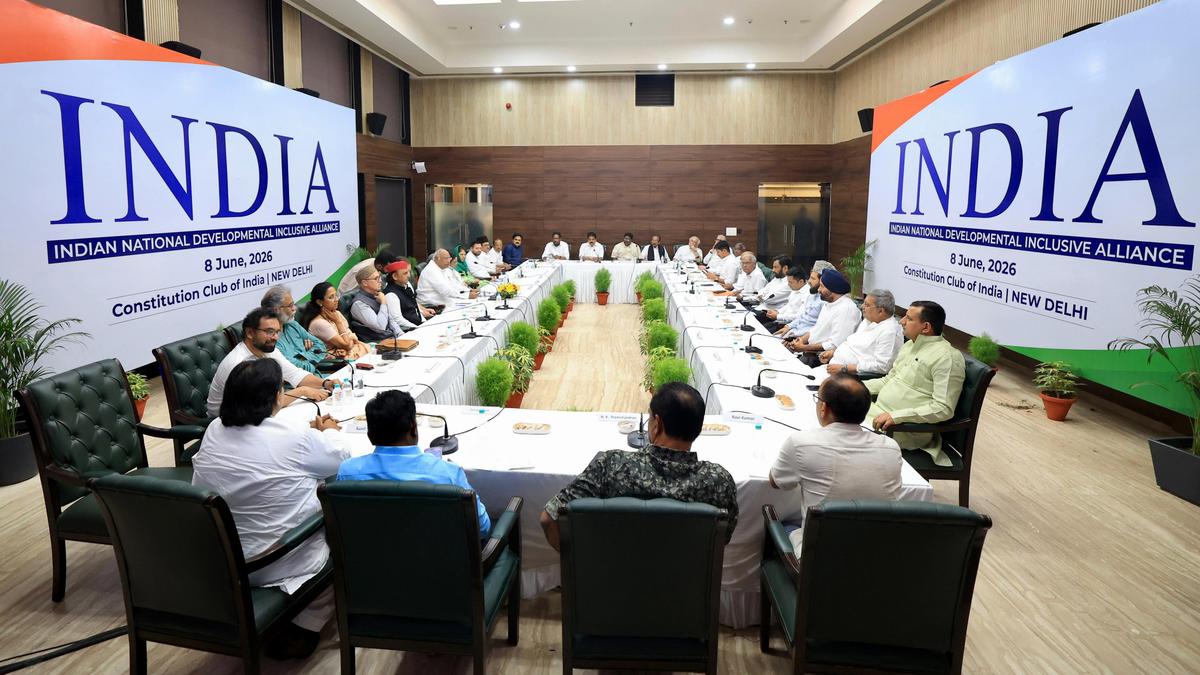
The strength of India lies not merely in its geographical boundaries but in its extraordinary ability to accommodate diverse identities, cultures, languages and aspirations within a democratic constitutional framework. The Constitution has been the guiding force behind this vision, ensuring that every community, however small, remote or historically vulnerable, finds dignity, representation and hope within the Union.
The pending Constitution (One Hundred and Twenty-Fifth Amendment) Bill, 2019 must therefore not be treated as a routine legislative exercise. It is a historic opportunity to strengthen the Sixth Schedule institutions of the North-East, address long-pending grievances of indigenous communities, and reinforce the foundations of peace, justice and lasting integration.The Sixth Schedule was one of the most imaginative constitutional responses to the special history of the tribal areas of Assam, Meghalaya, Tripura and Mizoram. It recognised that the hill and tribal communities of the North-East could not be governed by a uniform administrative logic alone. Their land systems, customary laws, village institutions, languages and community traditions required protection within the larger frame of the Indian Republic.