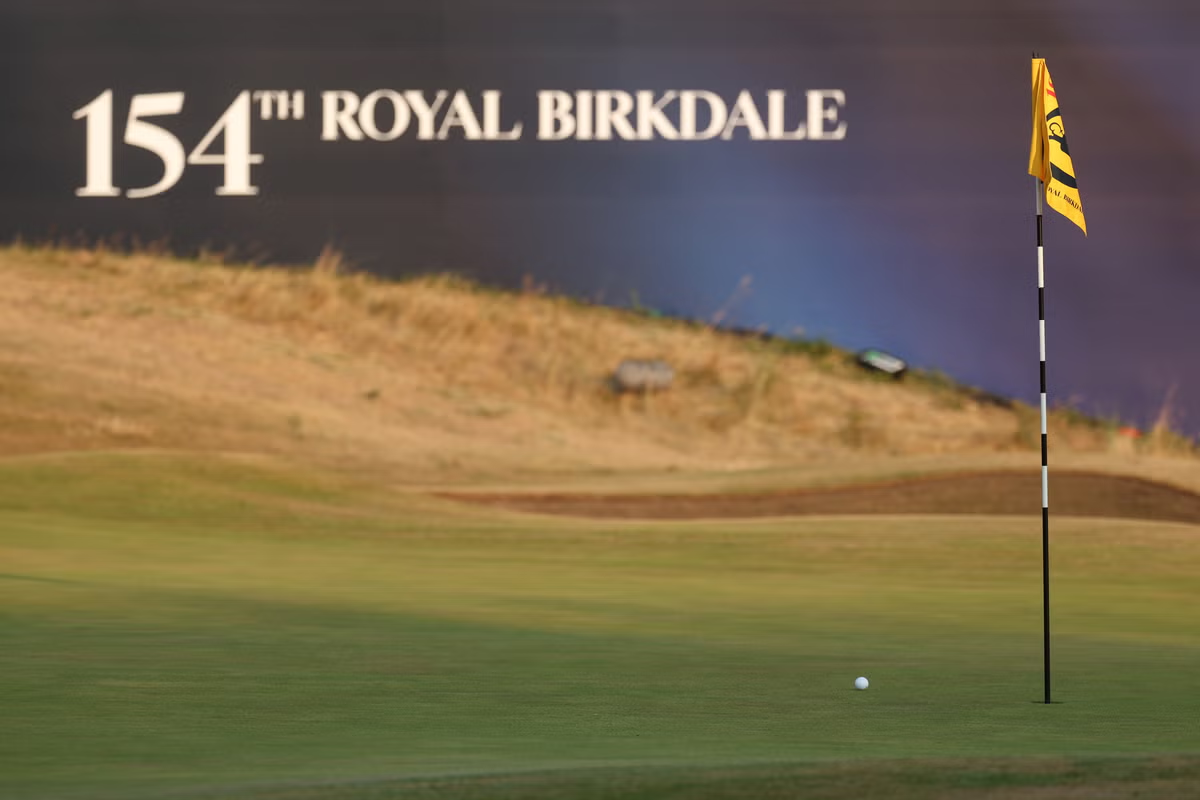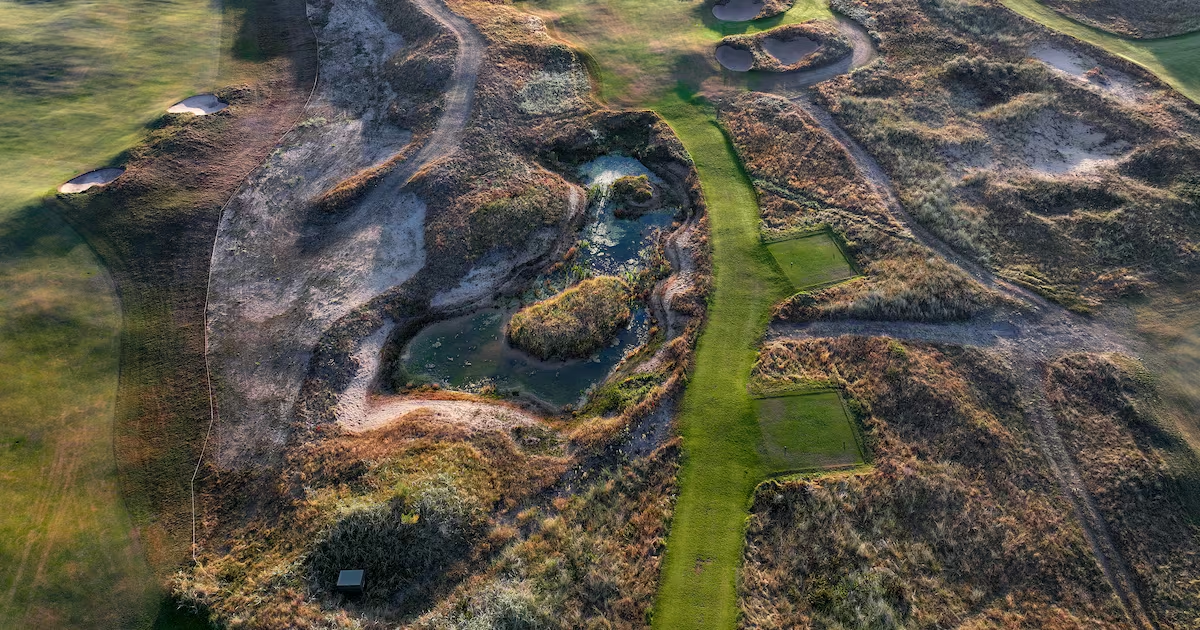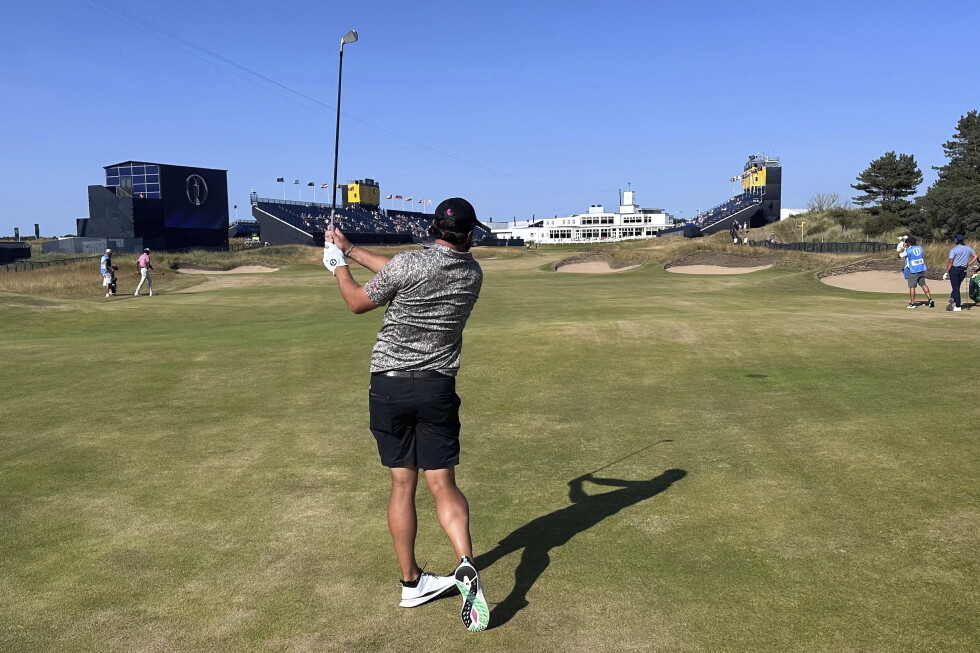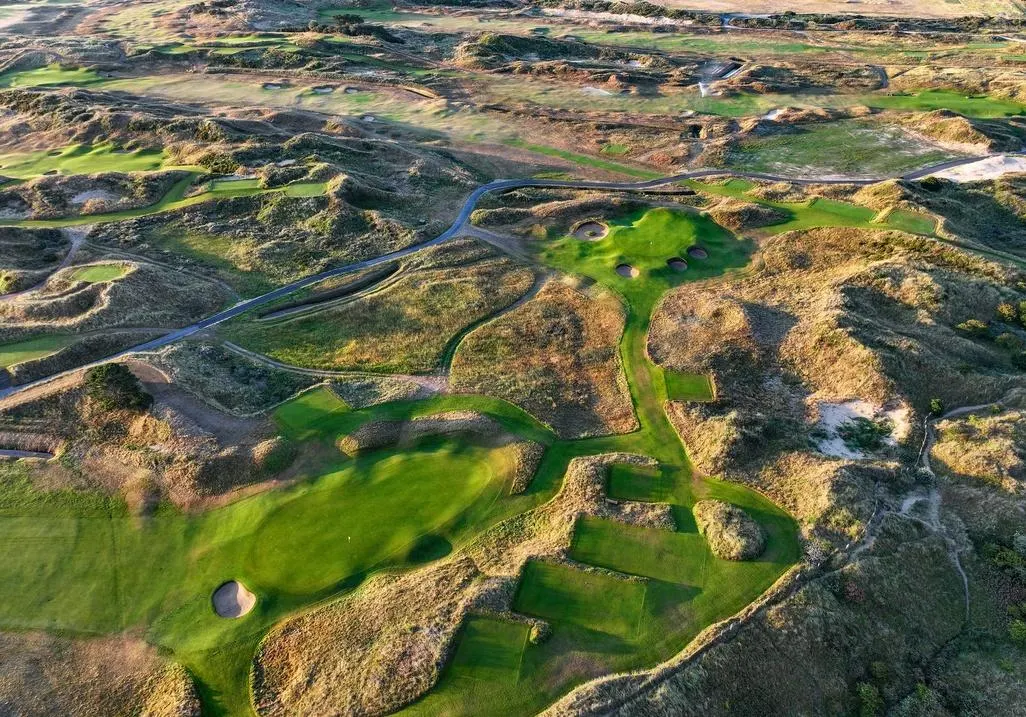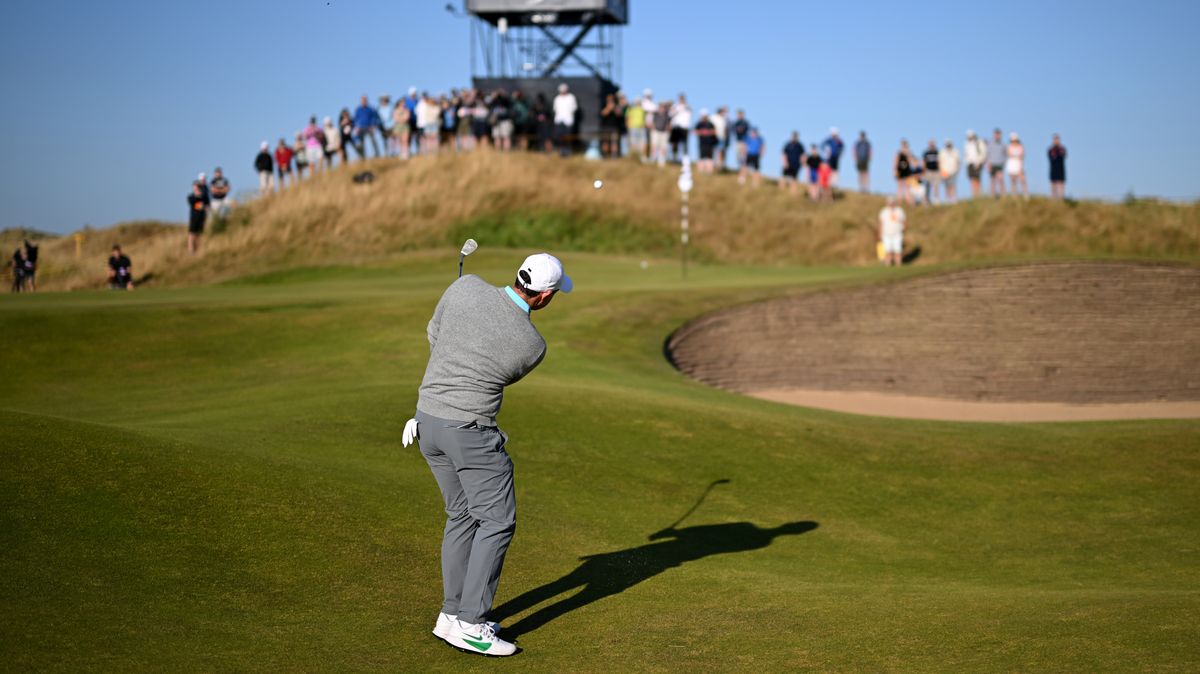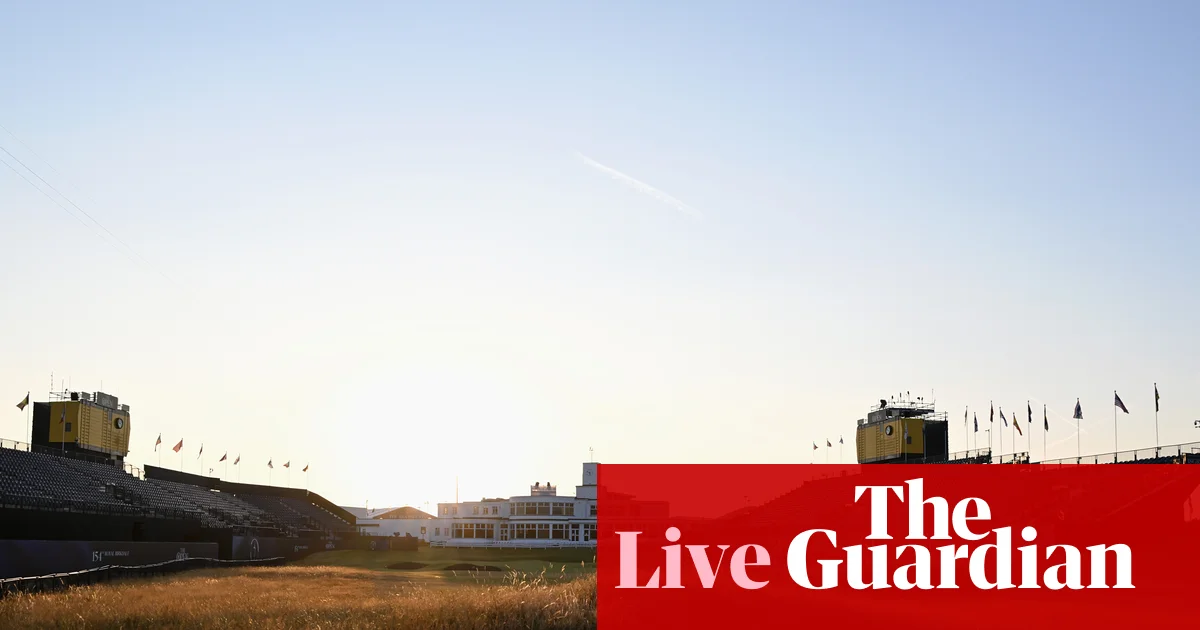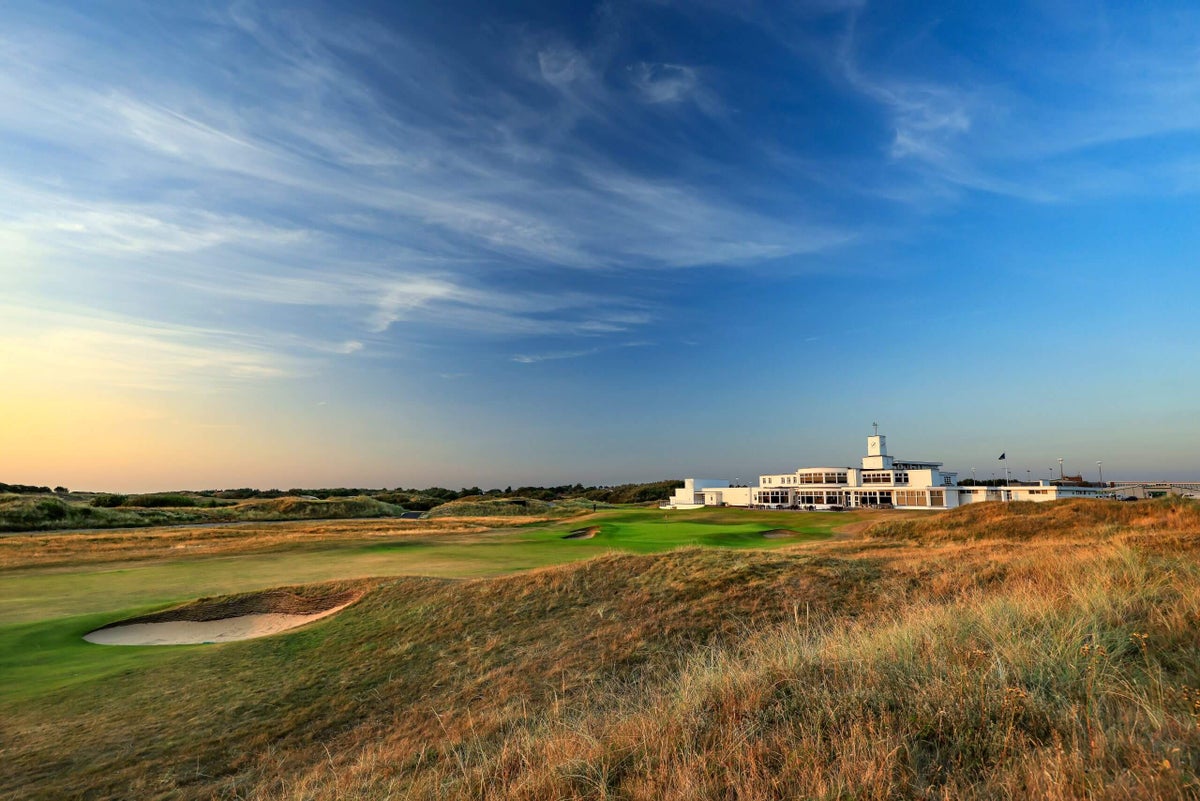
Royal Birkdale hosts The Open this week, but that five-letter prefix opens up a much bigger golf quirk — one that runs from Scotland to Canada, India, Hong Kong, Australia and Germany.There are no guards at the gate, no crowns in the locker room and, as far as anyone knows, no requirement to bow before hitting driver. Royal Birkdale is a golf club in Southport, England, just north of Liverpool, and it is hosting The Open for the 11th time.But what makes it ‘Royal’? A golf club becomes Royal only when the title is granted by a monarchy, usually as a sign of official support or recognition from the Crown.So why do some of golf’s grandest names have it, while plenty of famous clubs do not, and how did a title that sounds so British end up attached to clubs around the world?How does a golf club become Royal?A golf club gains its Royal status when a monarch grants it permission to use the title, but the route to becoming Royal has not always been straightforward.The clearest rule now is that only the monarch can grant the Royal title and it is not automatically linked to hosting championships. A club can be old, famous and prestigious without being Royal. Trump Turnberry has hosted The Open four times but has not staged the championship since 2009, before Donald Trump bought the resort in 2014 and has never had the prefix.Turnberry is one of the most iconic Open venues but has not hosted the major since 2009 (Andrew Harnik/Getty Images)Carnoustie, on Scotland’s east coast, and one of the toughest tests on The Open rota, is another without Royal status. “’Why?’ is not an easy question to answer because the process has changed since the first Royal club,” Scott Macpherson, a golf course architect and author of Golf’s Royal Clubs, tells The Athletic.Macpherson, 54, began researching Royal golf clubs after working on Royal Wellington Golf Course. His book, commissioned by The R&A — the St Andrews-based organisation whose name comes from the Royal and Ancient Golf Club of St Andrews, and which runs The Open — was published in 2014.“The common thread is some connection to the royal family,” Macpherson says, and that connection can take different forms. Some clubs are on royal land while others have had close relationships with members of the royal family, military links or wider historical importance.In earlier periods, Macpherson says, the expectations around the title were different. Royal Perth and the Royal and Ancient Golf Club of St Andrews, the first two Royal golf clubs, did not own courses when they received their titles.Later, owning a course became more important and, in some eras, it mattered whether the course was considered a championship venue.Royal Birkdale was founded in 1889 and received its Royal title in 1951, when King George VI gave permission for the club to use the name. Three years later, in 1954, it hosted The Open for the first time.The tradition is still active. The latest Royal club is Royal Balmoral Golf Club, on the Balmoral Estate in Scotland, which received permission from King Charles III to use the title in 2025, after an application originally tied to the club’s 50th anniversary and the King’s coronation.Why was Perth first?The first golf club to receive the Royal title was Royal Perth Golfing Society in Scotland, which was granted royal patronage by King William IV in 1833.That happened largely because of Lord Kinnaird, the club’s sixth captain, whose connections helped secure royal patronage from the king. Royal Perth was founded in 1824, and golf had been played in Perth long before that, but the Royal designation made it the first golfing society in the world to receive that honour.A year later, the Society of St Andrews Golfers received royal patronage and became the Royal and Ancient Golf Club of St Andrews.Scottie Scheffler celebrates his victory at Royal Portrush in 2025 (Christian Petersen/Getty Images)The St Andrews example became the more famous one because of what the Royal and Ancient went on to represent. It remains one of the most influential institutions in golf, closely associated with the sport’s rules, traditions and administration.But Perth was first, and that matters because the earliest Royal clubs were not necessarily clubs in the way golfers would understand them now. They were societies of golfers before the modern model of a club owning or controlling a course became more central.Why are there Royal golf clubs around the world?Royal clubs are not found only in Britain, they appear IN countries where the game moved through empire, commerce, military networks, migration and royal connections.Connor T. Lewis, founder of the Society of Golf Historians and host of the TalkinGolf History Podcast, says the clubs in Scotland, England and Northern Ireland get the most attention because of The Open, but “any monarchy can grant the ‘Royal’ title.”Australia has eight Royal clubs. New Zealand has Royal Wellington and Royal Auckland. India had several Royal clubs, including Royal Calcutta, one of the oldest golf clubs outside Britain, which received the title in 1912 to mark King George V and Queen Mary’s visit to Calcutta the previous year.Canada has one of the clearest North American links. Royal Montreal, founded in 1873, is the oldest golf club in North America in continuous existence and one of four Royal clubs in Canada.Not every example fits into the British Empire story. Royal Homburger Golf Club in Germany was founded in 1899 and received the Royal title in 2013. Royal Montreal hosted the Presidents Cup match in 2024 (Vincent Ethier/Icon Sportswire via Getty Images)Macpherson says its connection comes through the British royal family’s German lineage. Royal Marianske Lazne in the Czech Republic received the title in 2003, while Royal Malta reflects a different route, with the British military playing an important role in how golf developed there.Can a club lose the Royal title?The best-known example is Hong Kong Golf Club. For more than a century, it was Royal Hong Kong Golf Club, but in 1996, at the club’s annual general meeting and shortly before Hong Kong was handed back from Britain to China, the Royal name was dropped.Some Royal names have disappeared through mergers. Royal Eastbourne Ladies’ Golf Club came to an end in 1937, creating a single Royal Eastbourne Golf Club — whose Royal identity is not technically valid. Royal Ashdown Forest Ladies’ Golf Club, which had received Royal status in 1932, was another women’s club whose separate identity later disappeared into the wider club structure after the Second World War.
Why are some golf courses like Birkdale called ‘Royal’?
How did a title that sounds so British end up attached to clubs around the world?
1,088 words~5 min read