Get the latest news and updates from Dawn
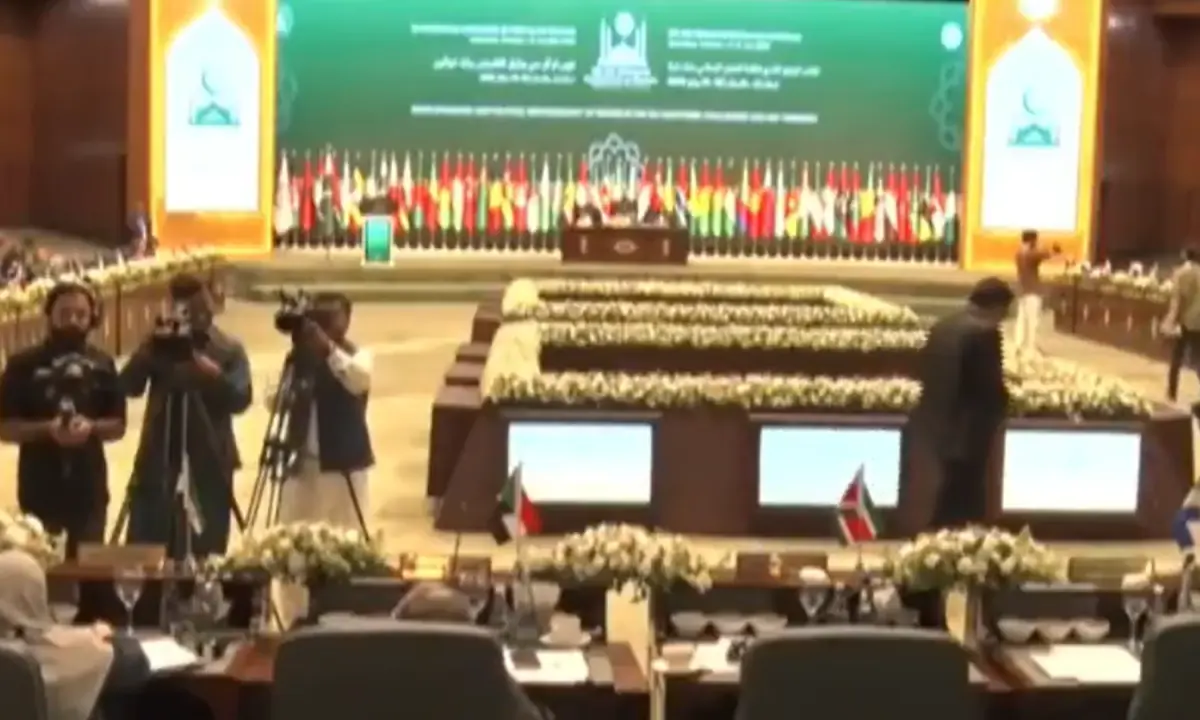
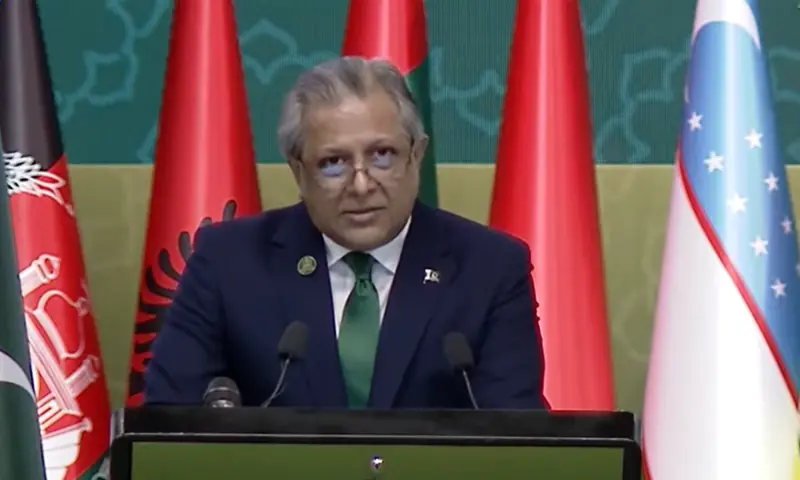
WHEN Pakistan assumed the chairmanship of the OIC Ministerial Conference on Women this week, it did so while confronting uncomfortable realities of its own. Only recently, the World Economic Forum ranked Pakistan 148th out of 148 countries in its Global Gender Gap Report, underscoring how much work remains to ensure women enjoy equal opportunities in education, employment and public life.
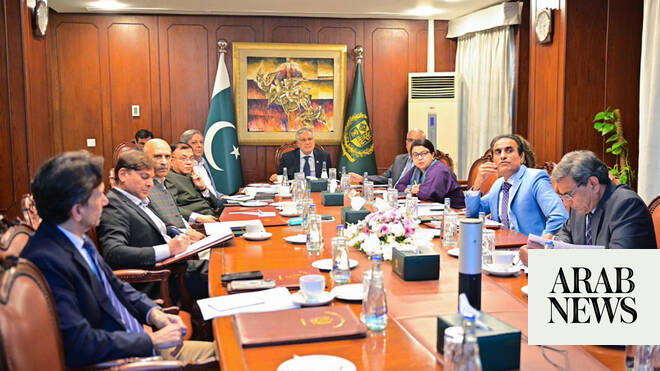
That sobering backdrop lent added significance to repeated calls in Islamabad for the Organisation of Islamic Cooperation to move beyond declarations and deliver tangible progress. Senate Chairman Yousaf Raza Gilani’s proposal for measurable targets on girls’ education, women’s leadership, workforce participation and protection against gender-based violence was among the conference’s most constructive outcomes. The OIC has, after all, endorsed women’s empowerment on numerous occasions. The challenge has not been a lack of commitments; it has been the failure to translate them into meaningful change.
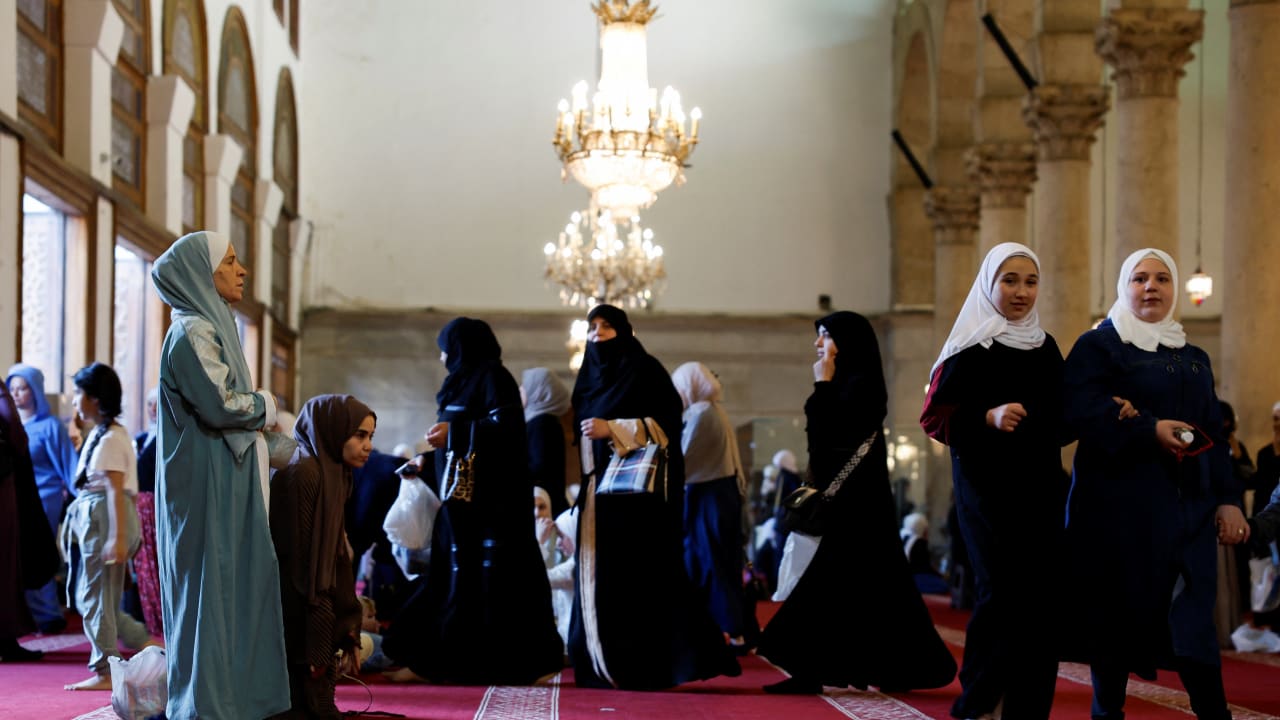
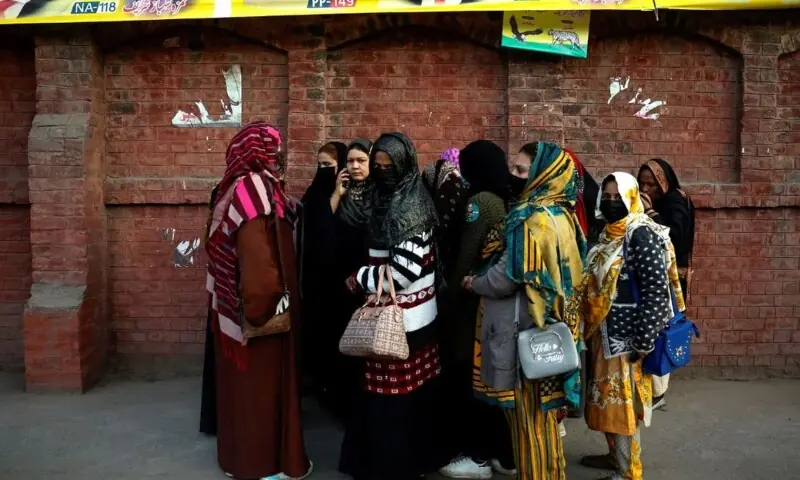
Across parts of the Muslim world, women continue to face barriers that limit not only their own potential but also the prospects of their societies. Afghanistan remains the clearest example, where girls continue to be denied access to secondary schools and universities despite repeated international appeals.