Get the latest news and updates from Dawn
In the latest civil service examination, widely regarded as the country’s toughest competitive test, where less than one per cent of candidates succeed, 86 women were recommended for appointment compared to 84 men. This marks a remarkable shift in a system that recruits Pakistan’s future administrators, police officers, diplomats, and senior public managers. In a country where women once had minimal representation in state institutions and were often excluded from leadership roles, they are now entering the civil service in greater numbers than men.
A similar transformation is visible in higher education. The ratio of women-to-men enrolled at the university level has now reached overall parity, and women outnumber men in several disciplines. According to the Gender Parity Index for tertiary education, female enrolment now exceeds that of males. This reflects substantial social and educational progress and highlights the growing role of women in Pakistan’s professional, academic, and public life.
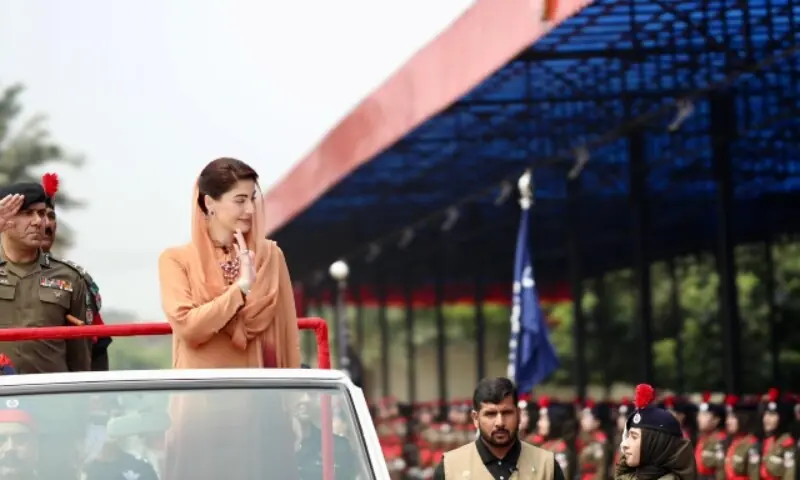
At the political level, the picture is more complex, though women today play a far more significant role than is commonly portrayed. Punjab, Pakistan’s largest province and economic heartland, accounting for nearly 60pc of national GDP, is currently led by a female chief minister.