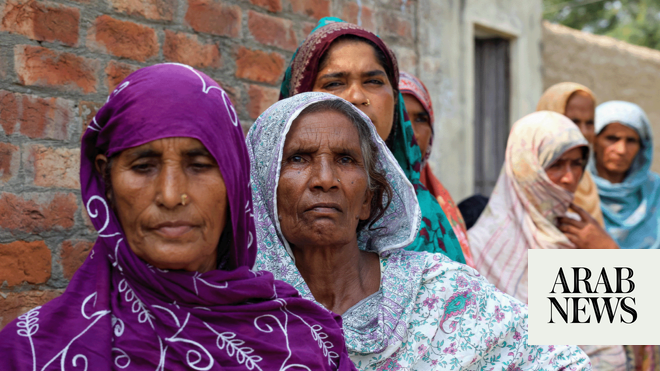
The Global Gender Gap Report 2025 by the World Economic Forum once again ranked Pakistan at the bottom of the global index — 148th out of 148 countries. Pakistan’s overall gender parity score also slightly declined from 57 percent in 2024 to 56.7 percent in 2025. These numbers are hardly surprising. They show the inequalities that Pakistani women face daily across social freedoms, economic participation and independence, political representation, education, health, and overall personal agency and autonomy.
Statistics and lived experiences point toward inequalities, where violence against women is widespread. For women and young girls, navigating public spaces remains challenging even after decades of legislation, women’s rights activism, and work by several organizations, both domestic and international, like U.N. Women in Pakistan, Oxfam and so on. Yet, gender disparity, discussions of women’s rights and violence against women are among some of the most contentious subjects in Pakistan.
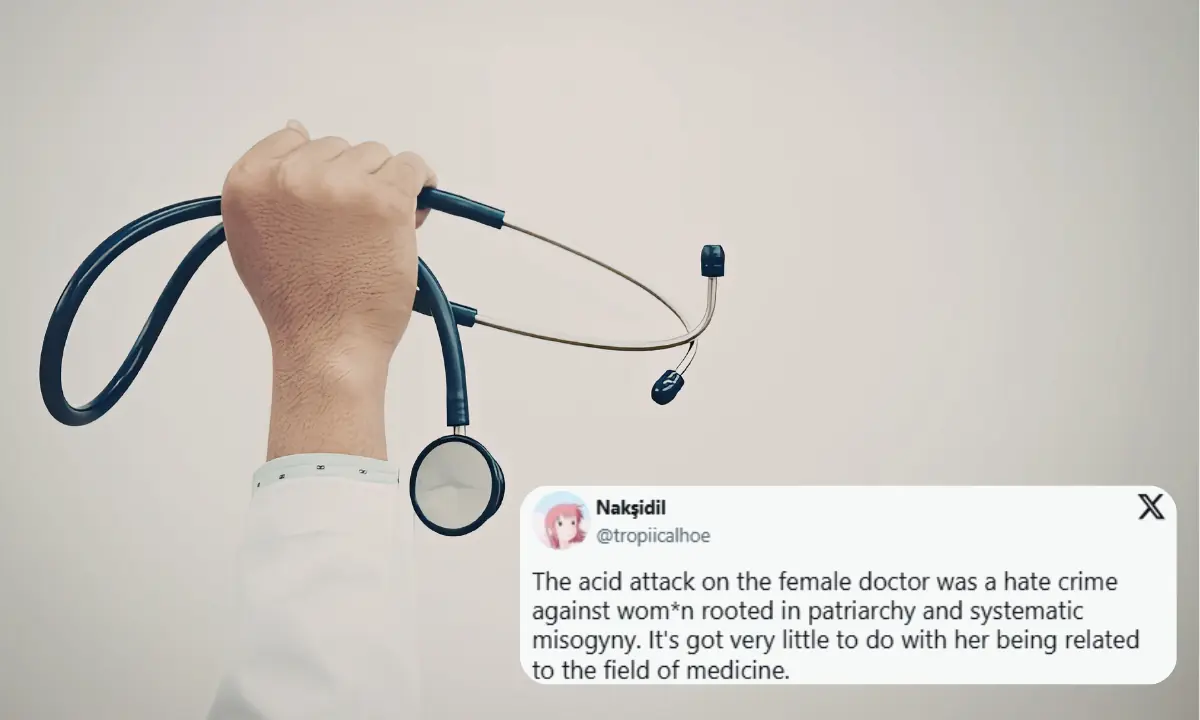
Educational institutions, workplaces, markets, public transport, and even the home, which is often regarded as the safest place — none has spared women from violence. Earlier this month, a woman doctor on duty in a public hospital in Balochistan’s capital of Quetta was brutally attacked with acid by the hospital’s lift operator.