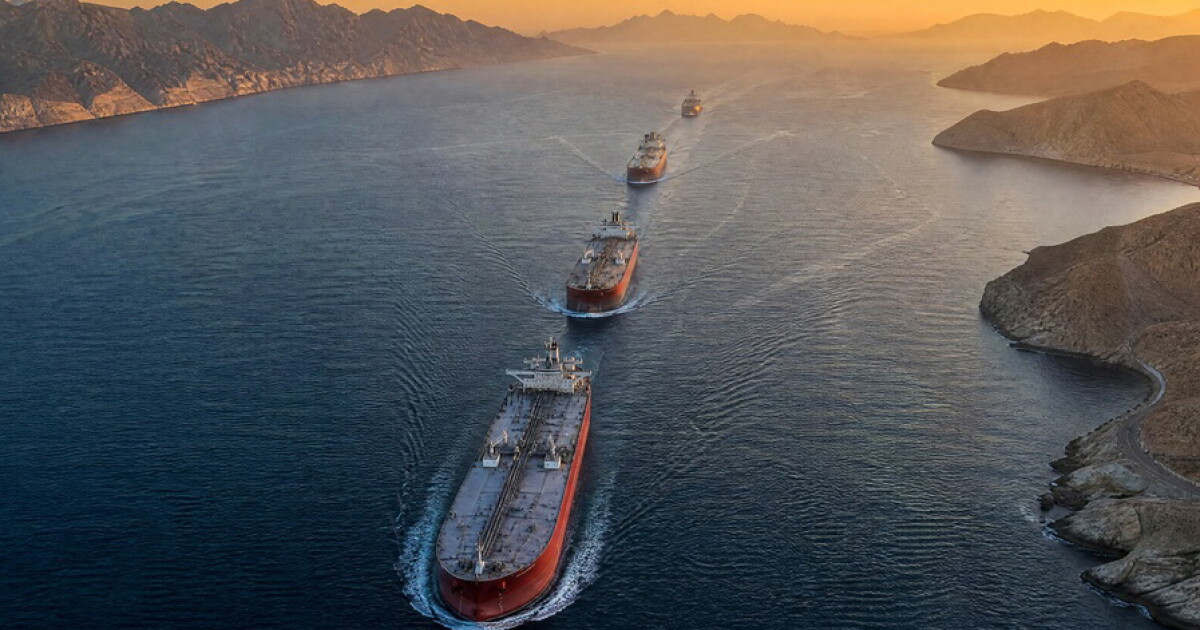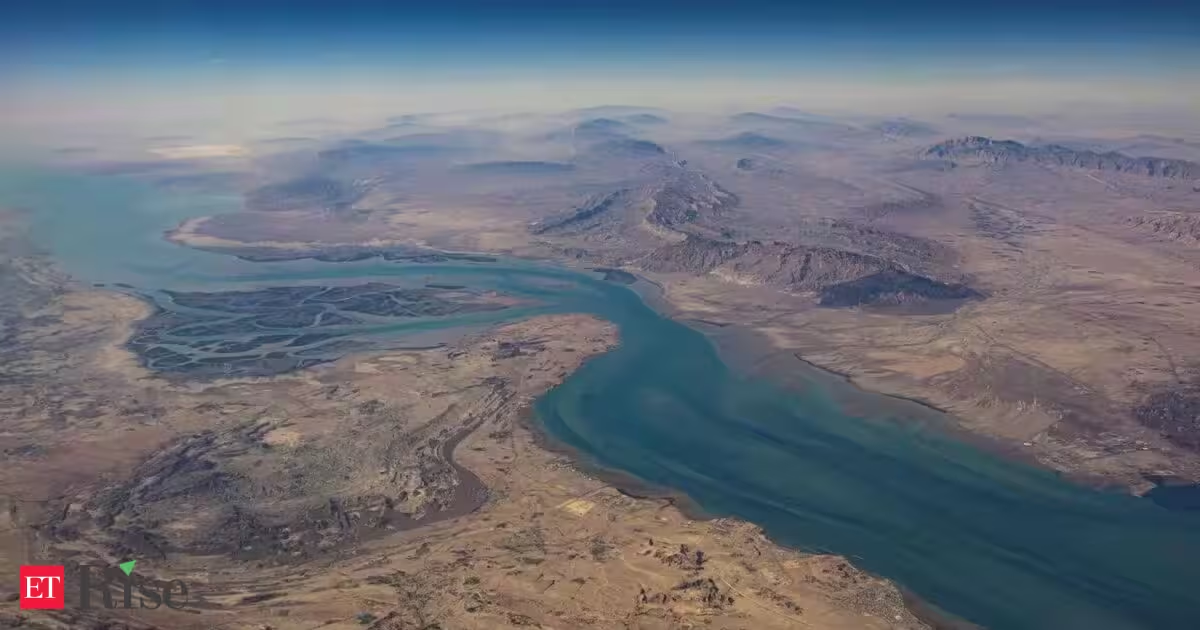
For months, the oil market’s boogeyman was the Strait of Hormuz, that narrow waterway where roughly a fifth of the world’s oil supply squeezes through. JPMorgan has now decided there’s a bigger problem.
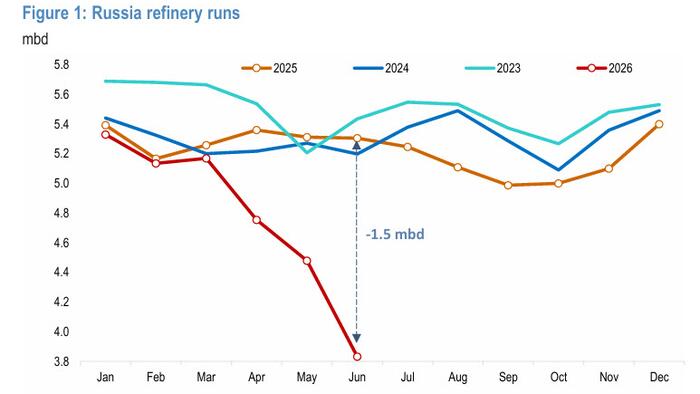
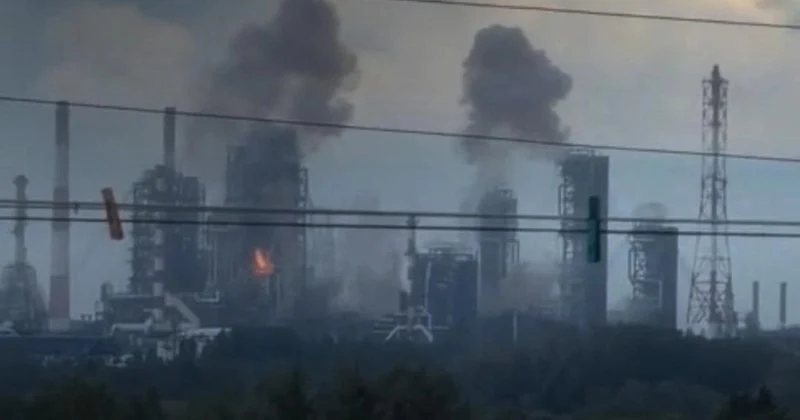
The bank’s analysts published a note on July 10 redirecting their focus from Hormuz transit risks to the deteriorating state of Russian refining capacity. Russian refinery runs have dropped to approximately 3.6 million barrels per day, nearly 40% below pre-war levels.
From chokepoints to crackdowns
JPMorgan had previously warned that sustained disruptions at the Strait of Hormuz could send oil prices to $120 to $150 per barrel. That scenario hasn’t disappeared, but it’s been eclipsed by the systematic degradation of Russian refining infrastructure.
Ukrainian drone strikes, which intensified beginning in March 2026, have hammered Russian refineries with surprising effectiveness. Hormuz represents a potential disruption. Russian refining losses are an actual, measurable supply deficit that’s already reshaping global product markets.