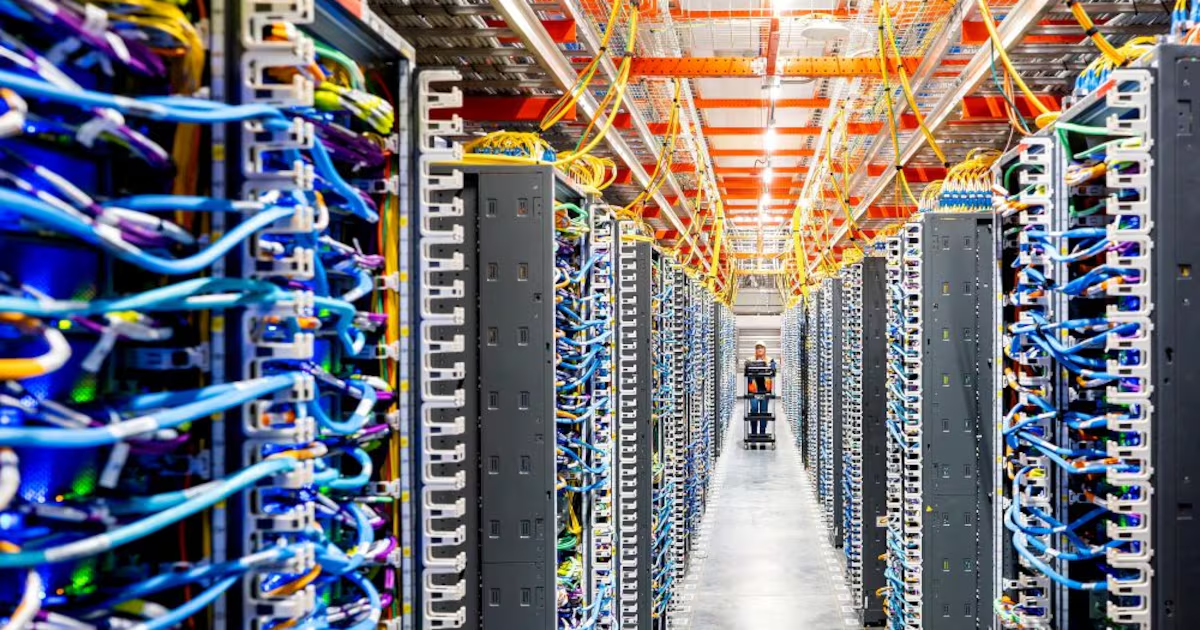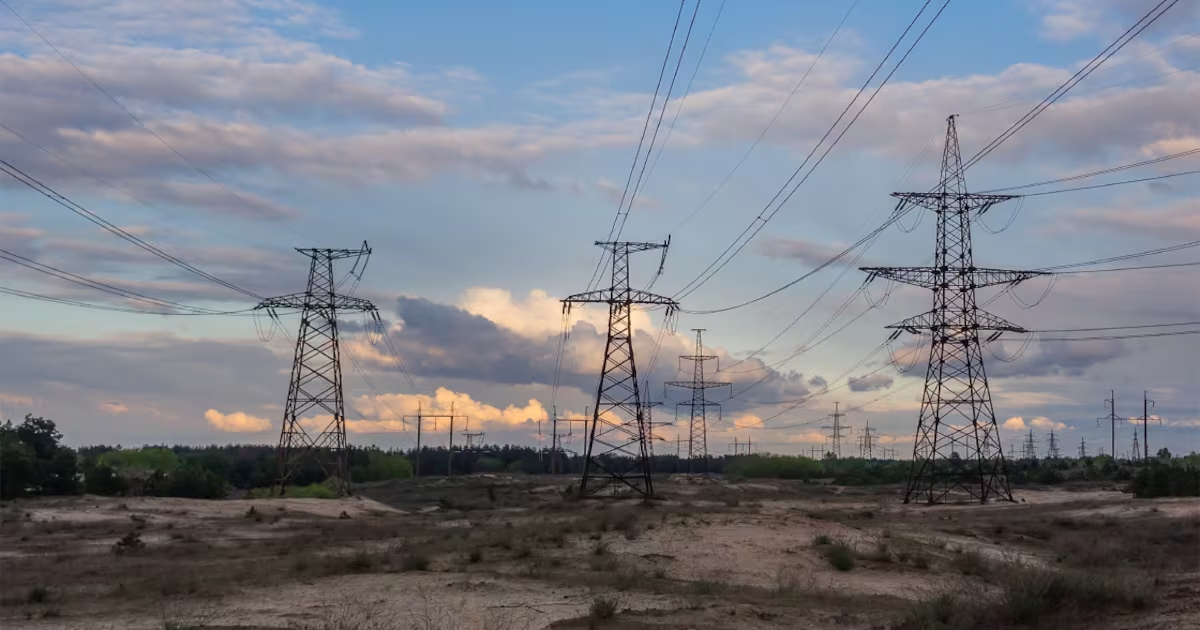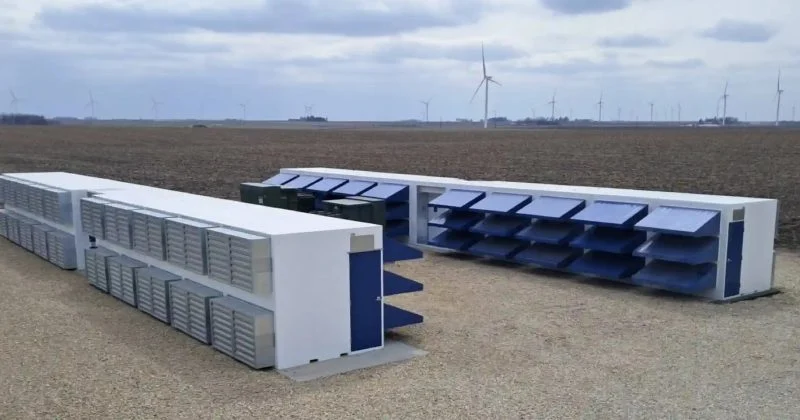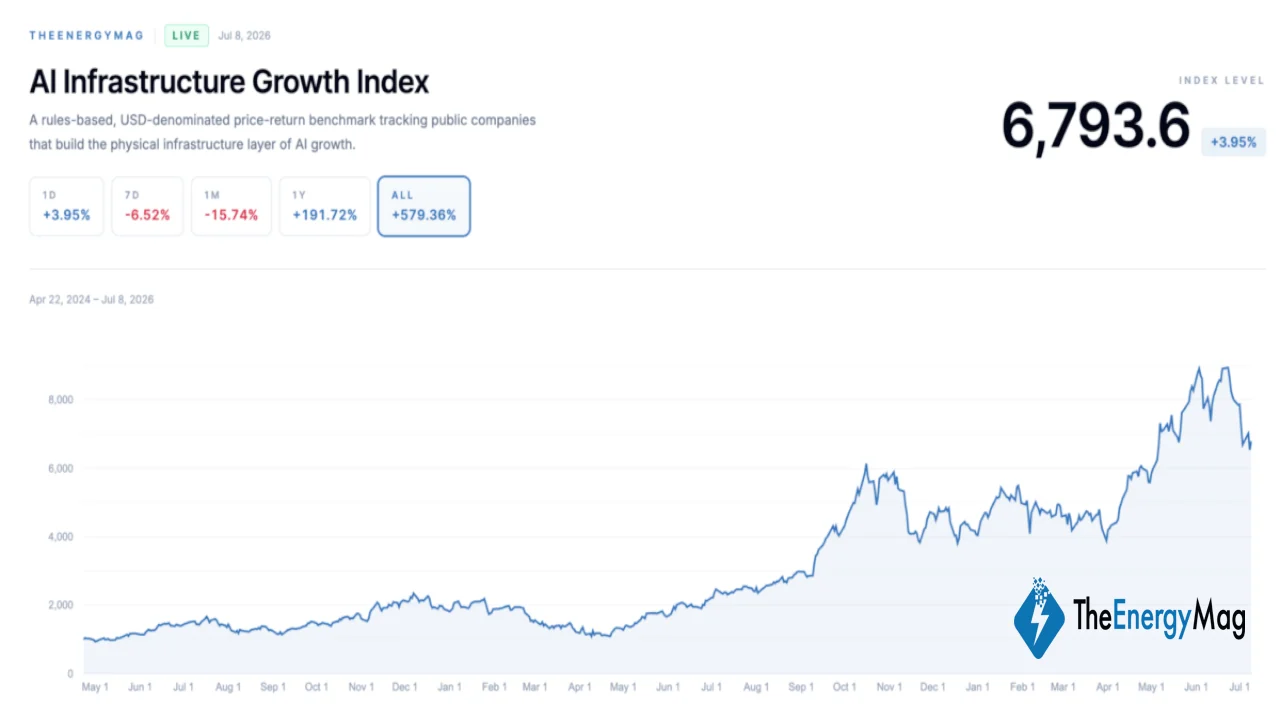
Most investors still treat AI as a software story. They look at model rankings, chatbot adoption and which company has the best AI assistant.That view is too narrow.The AI boom is now becoming an infrastructure race. It is about chips, power, cooling, memory, fibre, data centres, land, transformers and capital. In other words, it is becoming a scarcity story.That matters for bitcoin.AI demand is running into the limits of the physical world. Bitcoin’s supply is limited by code. One system needs more atoms. The other cannot create more coins. That is the macro link many investors are still missing.The world’s largest technology companies are no longer just building software. They are building industrial-scale compute networks. Google, Amazon, Microsoft and Meta are committing enormous sums to AI infrastructure, with the supplied research highlighting hundreds of billions in planned capital expenditure as compute demand stretches supply chains.This is not normal technology spending. It looks more like a new industrial buildout.Data centres need electricity. Chips need advanced foundries. Servers need memory. AI clusters need cooling. Power grids need upgrades. These systems cannot be expanded instantly, no matter how much money is available.That creates a basic economic problem: demand can scale like software, but supply still moves like steel, concrete and silicon.For investors, this shifts the AI debate. The question is no longer only which company wins the model race. The better question is what happens to markets when the biggest technology buildout in decades collides with limited physical capacity.The answer is pressure. Pressure on energy. Pressure on capital markets. Pressure on supply chains. Pressure on corporate debt. Pressure on real resources. And potentially, pressure on fiat currencies if governments and companies finance this new infrastructure cycle with more borrowing.That is where bitcoin enters the frame. Bitcoin is not a chip stock. It is not an AI company. It does not produce compute. But it is one of the few major assets with a supply schedule that cannot respond to rising demand.There will only ever be 21-million bitcoin. New issuance continues to fall after each halving. Spot ETFs have already created a structural demand channel. Institutions remain underallocated. Younger investors are more comfortable with crypto than older generations. At the same time, AI agents may require programmable payment rails, stablecoins and crypto-native wallets for machine-speed transactions.This makes the AI boom indirectly bullish for bitcoin in two ways.First, AI strengthens the broader scarcity trade. If compute, power and infrastructure become scarce, investors are reminded that real constraints matter. Bitcoin is monetary scarcity in its purest digital form.Second, AI may accelerate demand for crypto rails. Autonomous agents will need to pay for data, compute, APIs and services at speeds traditional banking systems were not designed to handle. Stablecoins may become the transaction layer. Bitcoin may sit beside them as the scarce reserve asset of the digital economy.There are risks. AI spending could slow. Infrastructure could become overbuilt. Higher real yields could pressure bitcoin. Regulation could slow crypto adoption. Bitcoin can still trade like a risk asset during liquidity shocks.But the bigger picture is hard to ignore. AI is forcing the economy to rediscover scarcity. Chips are scarce. Energy is scarce. Grid capacity is scarce. High-quality collateral is scarce. Bitcoin is scarce. Fiat money is not. That may be the most important macro setup of 2026.Muchena is founder of Proudly Associated and author of Tokenized Trillions & Artificial Intelligence Applied.Business Day
HEATH MUCHENA | The AI boom is becoming a bitcoin story
AI infrastructure growth boosts investment case for scarce assets such as bitcoin
564 words~3 min read