I just came from Singapore where my new book, Twin Plagues: How Duterte and Covid-19 Wrecked the Philippine Economy, was launched.
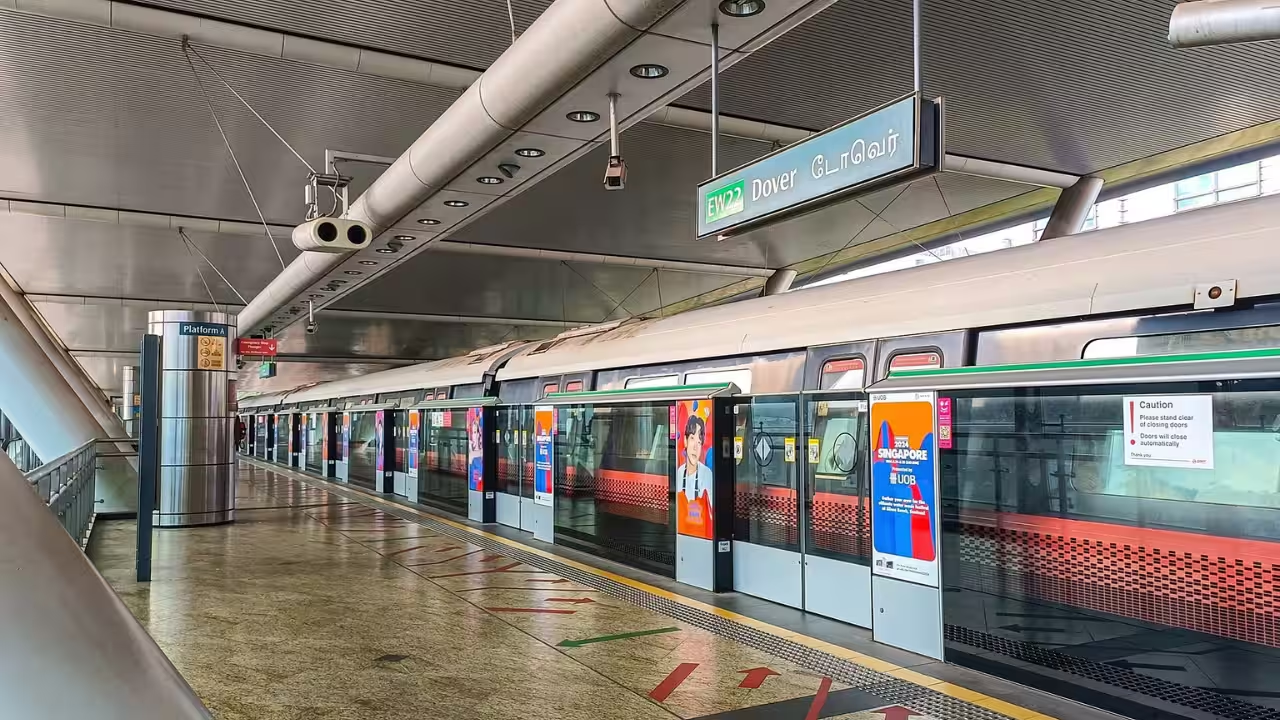
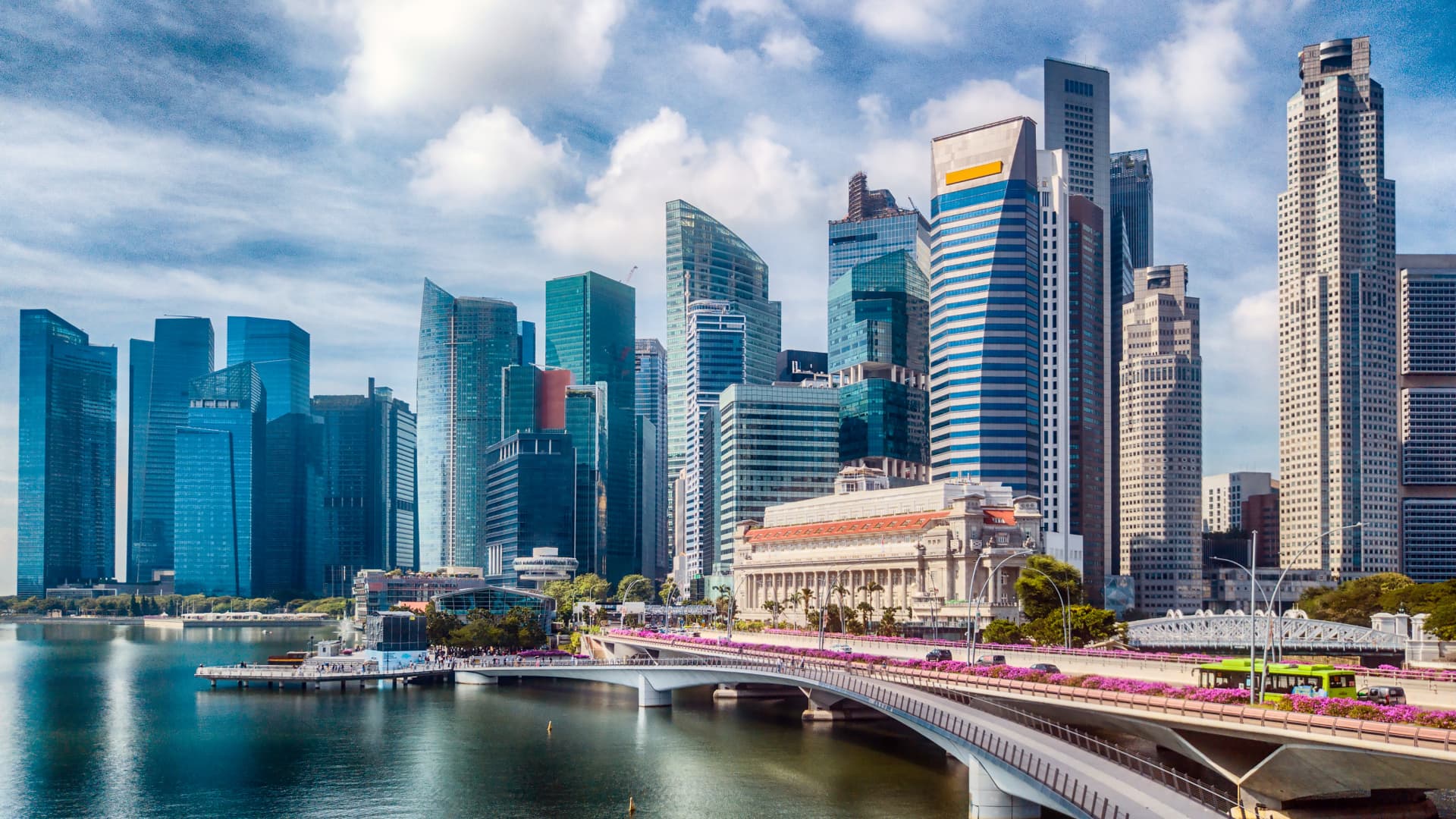
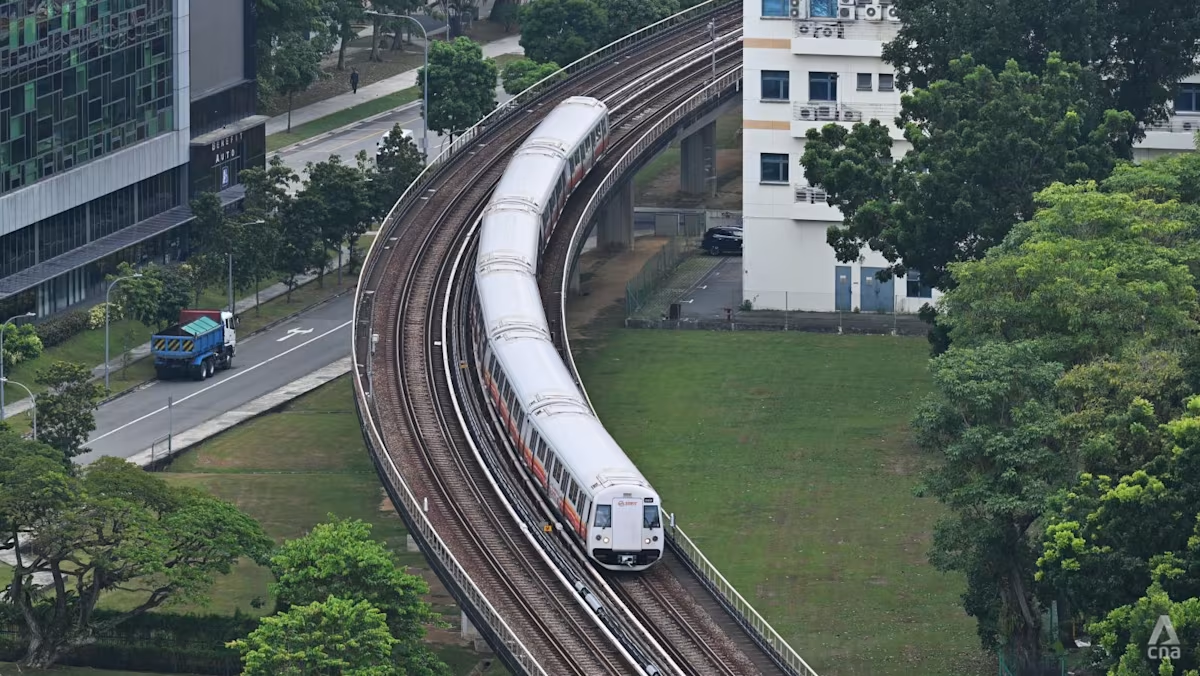
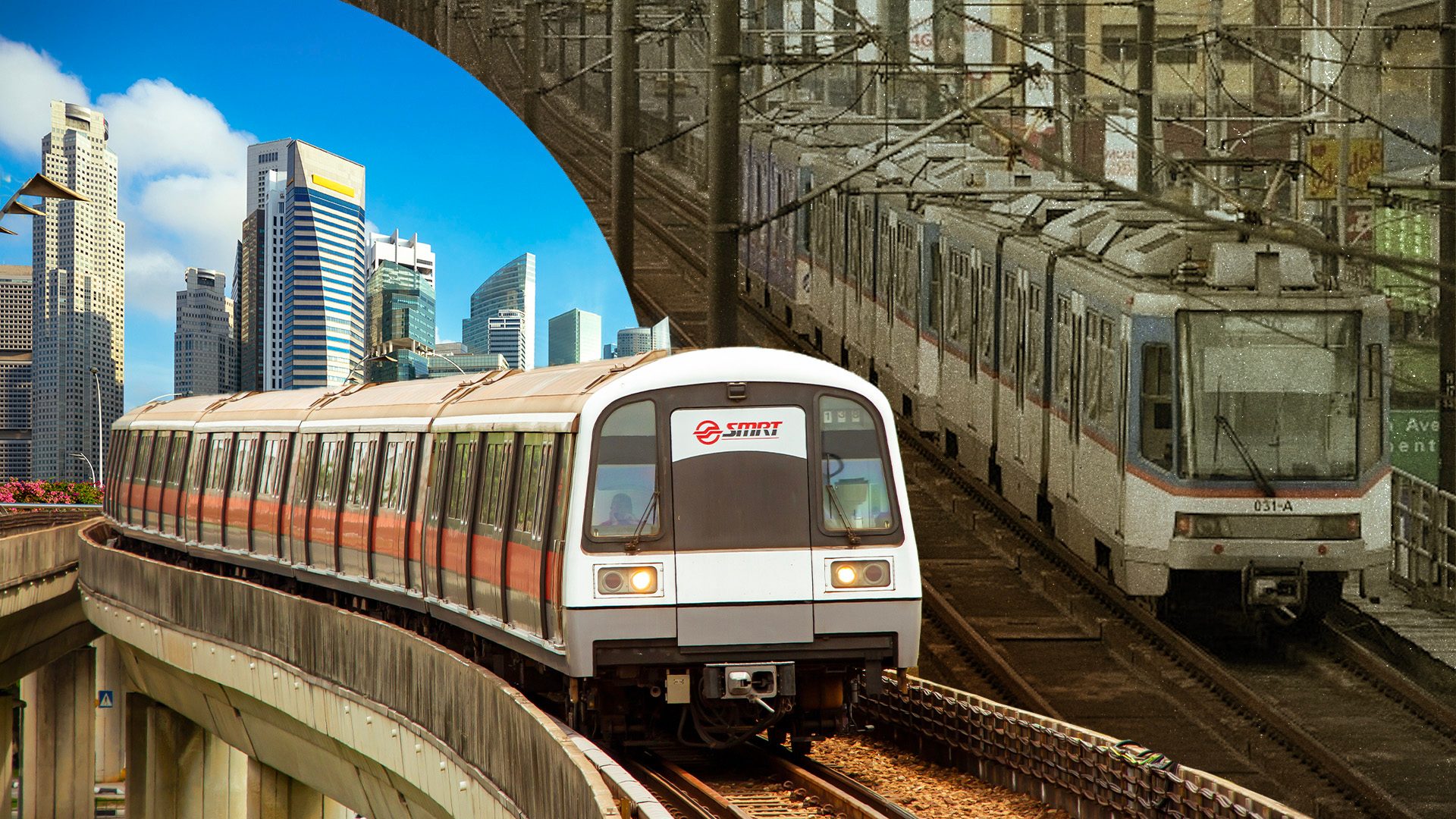
It’s my third time in Singapore, and I’m always amazed at their transportation system, particularly their railway system. Trains arrive every two to three minutes. Stations are clean and cool. A single card (or these days, any credit card) gets you on any train or bus.
Then you fly home and go back to the drudgery of lining up for an hour at an MRT-3 station, or waiting for a bus along EDSA in the rain.
The gap is staggering especially when you put numbers on it. Singapore’s rail network now spans about 250 kilometers across six MRT lines, carrying more than 3 million passengers daily, in a city-state of just about 6 million people. In fact, two more lines are under construction, and the network is set to reach around 460 kilometers by 2040.
Metro Manila, by contrast, with more than twice Singapore’s population, has roughly 60 kilometers of urban rail spread across three lines built decades apart. They also barely connect with one another.