This is AI generated summarization, which may have errors. For context, always refer to the full article.
As China stages its AI governance debut in Shanghai, the Philippines and its neighbors need more than applause. They need a policy floor.
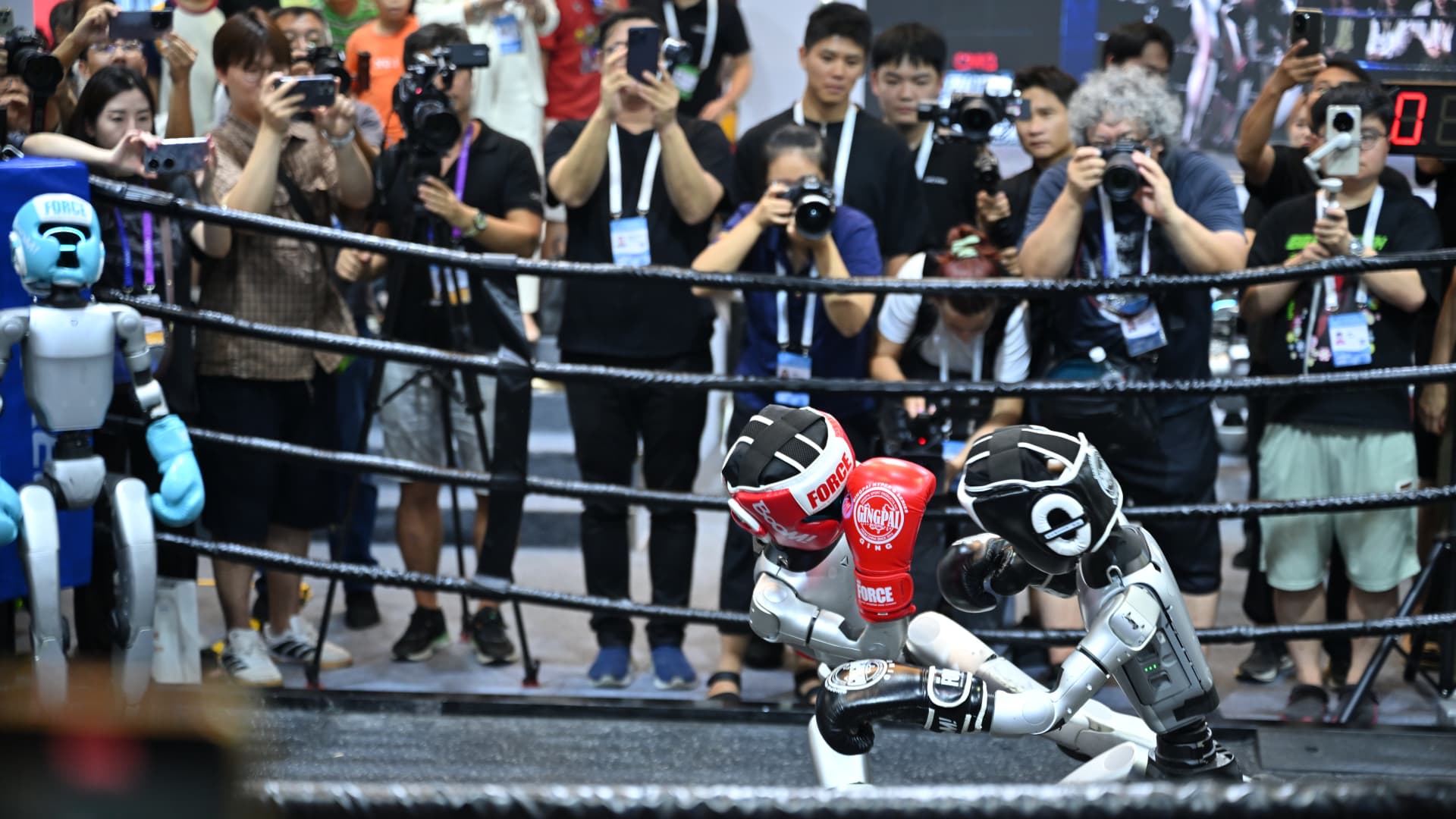
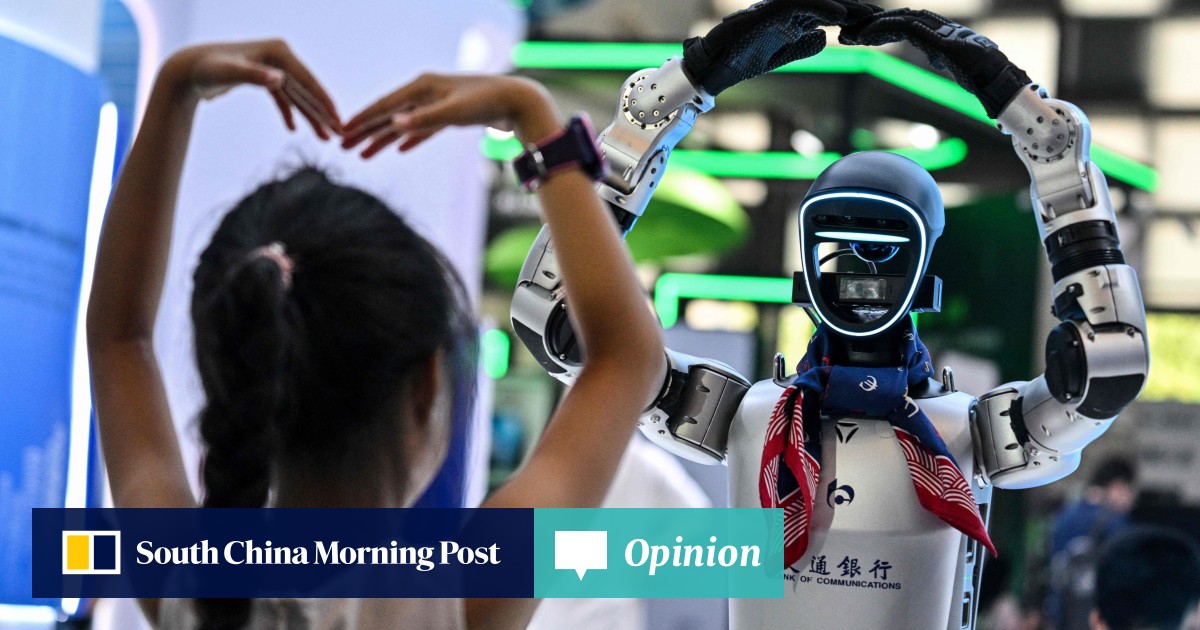
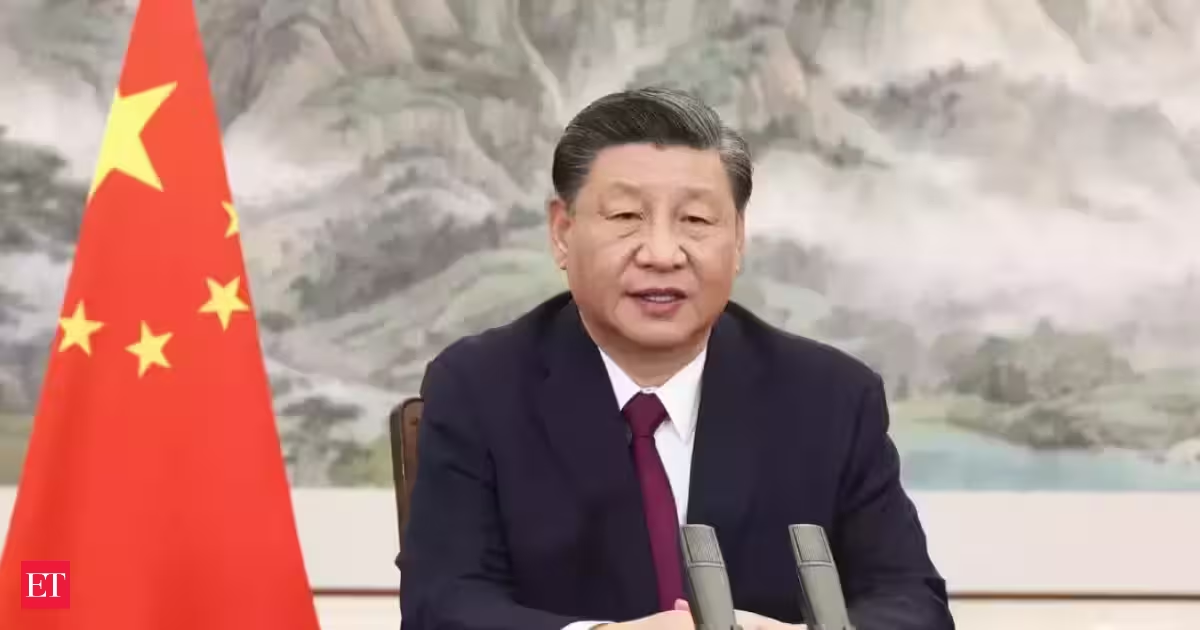
When over 1,400 delegates and 3,000 exhibits converge in Shanghai on July 17 to 20 for the World AI Conference and High-Level Meetings on Global AI Governance, what policymakers should watch out for is not the technology on display, but the narrative being staged around it.
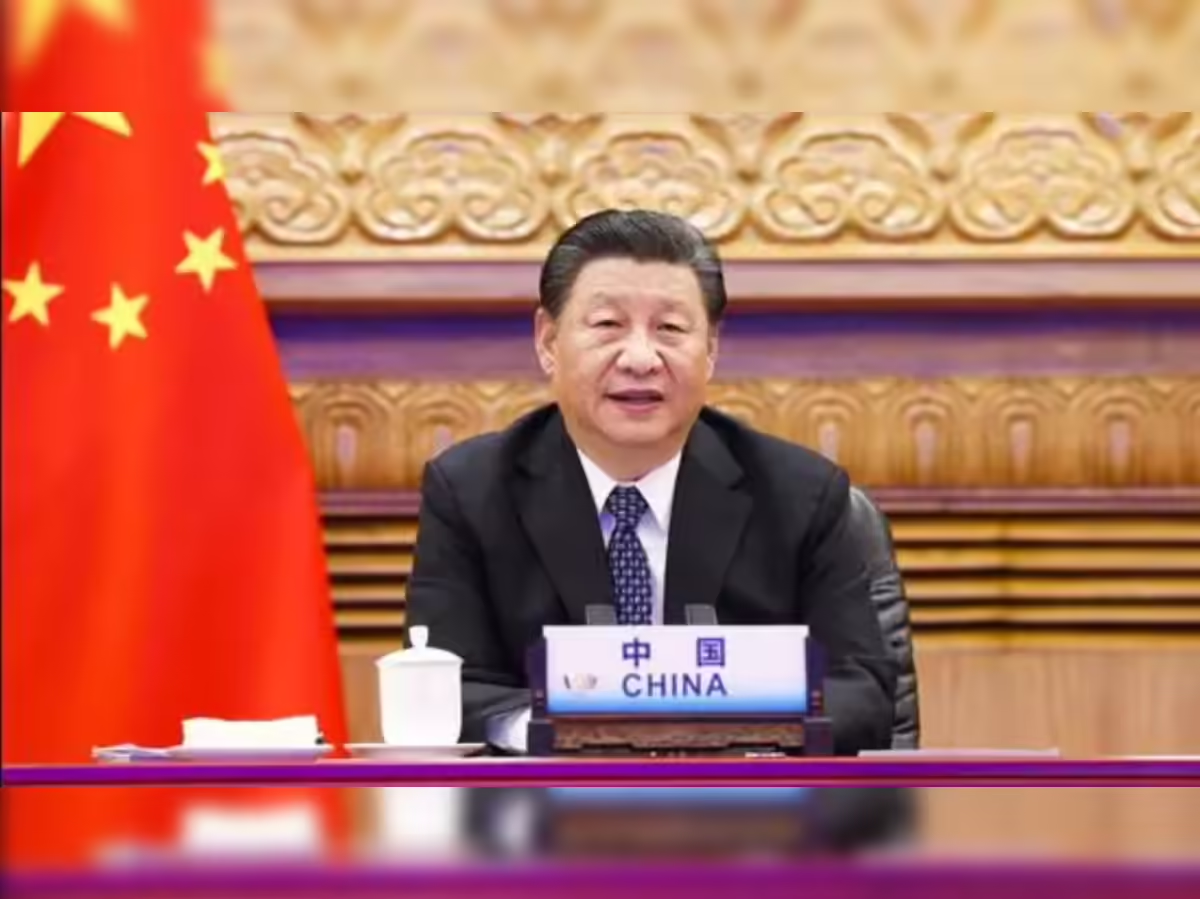
China organized the event under the theme “Intelligent Partners, Co-create the Future.” But officials have been more direct in private and public framing alike: China desires to be seen not as a participant in the global AI order, but as its architect.
That distinction matters. After two years of US export controls squeezing China’s access to advanced chips, Shanghai has become Beijing’s battlefield to mock Western sanctions and deploy a new World AI Cooperation Organization as a Trojan horse for Chinese algorithmic dominance, coordinating Global South positions at the United Nations on China’s terms.