To learn more about the CNBC CFO Council, visit cnbccouncils.com/cfo
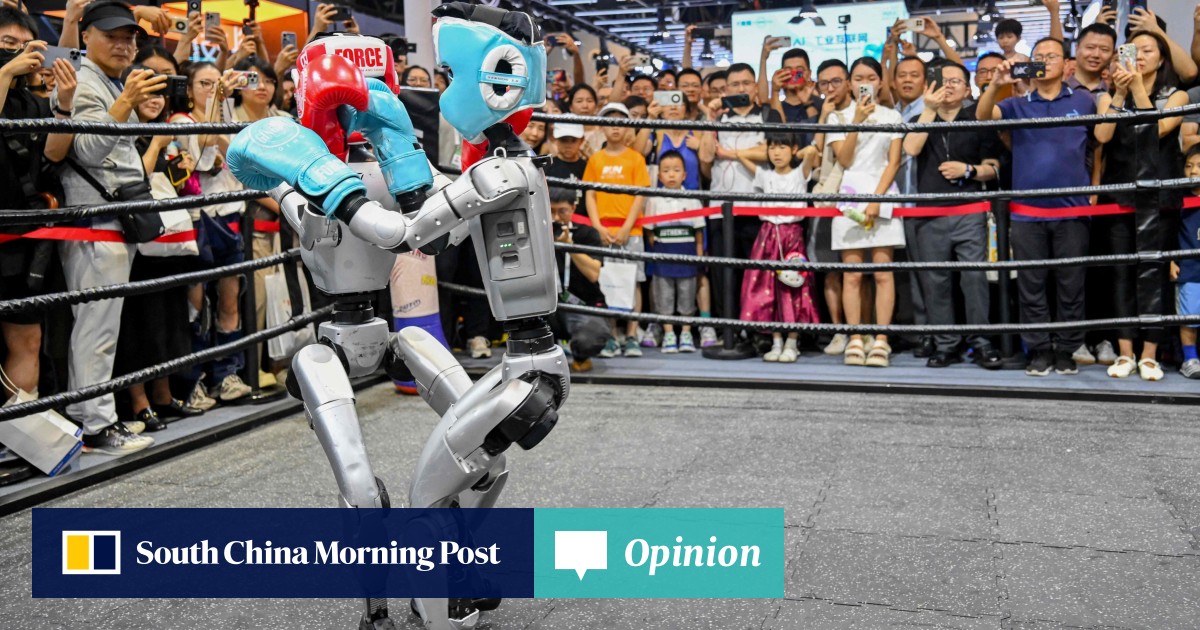
While humanoid robots sparred in the ring at China’s World AI Conference in Shanghai, a more consequential contest played out just steps away. Chinese officials unveiled plans for a new global governance body — the World AI Cooperation Organization (WAICO) — aimed at setting international standards and norms around artificial intelligence. Framed as a bid to prevent monopolies and foster inclusivity, the move was also a clear shot across Washington’s bow: a declaration that China intends not just to compete in AI, but to define its rules and global architecture.
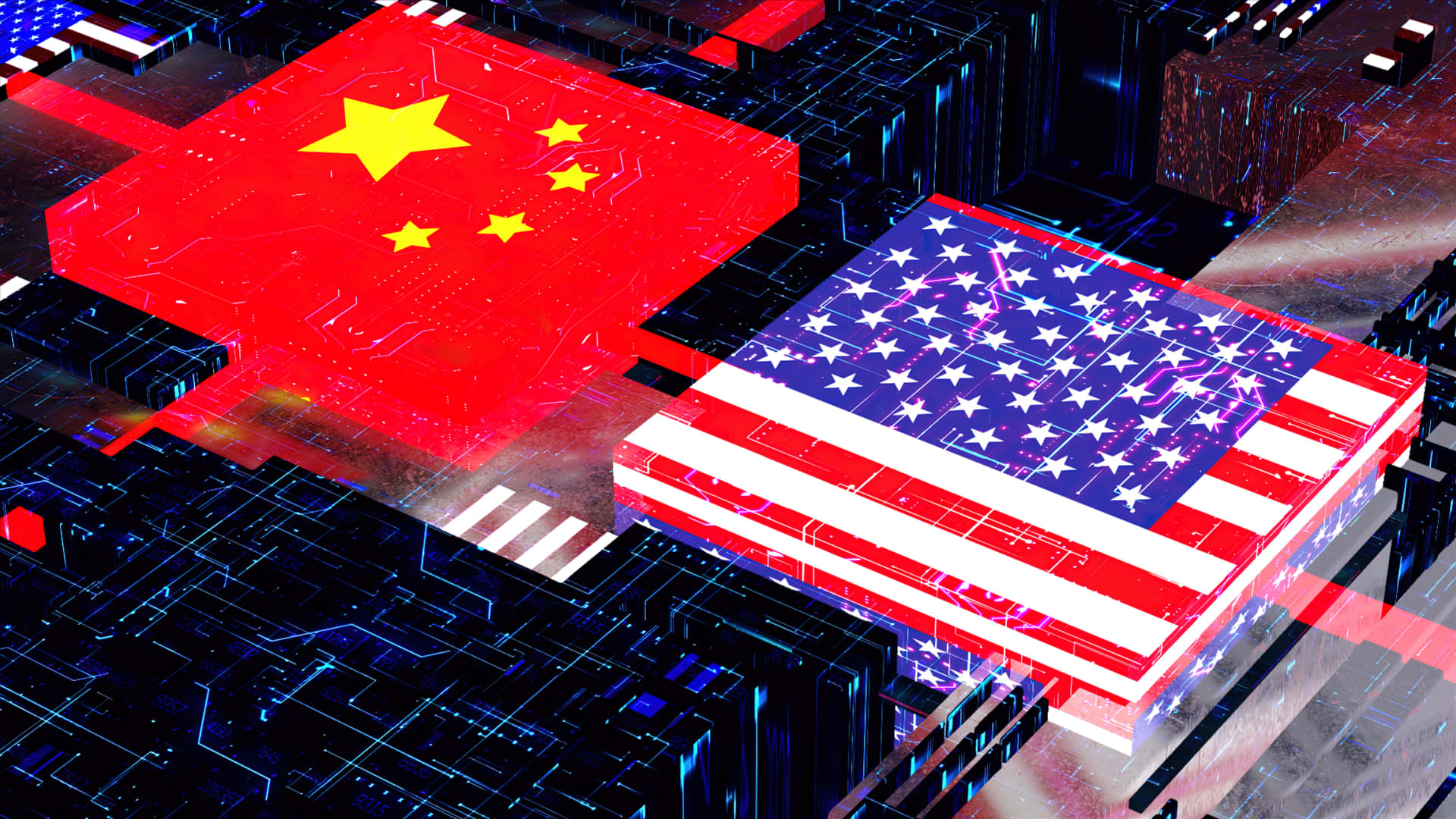
That same week, the United States released its own high-level vision: Winning the Race: America’s AI Action Plan. Spearheaded by AI czar David Sacks, the plan outlines a sweeping, three-pillared strategy focused on accelerating innovation, building infrastructure, and leading in international AI diplomacy. It is a good start — a robust and ambitious document — but it still reflects a fragmented and uneven approach.
What is becoming clear is that the race for global AI leadership will be won not only by those who develop the most powerful models, but by those who can deploy them when and where they matter most. China’s practical, application-first approach — deploying open-source AI to improve agriculture, logistics, education, public health, and other public services — makes its model especially attractive to countries seeking early, visible gains. Its export of utility and digital infrastructure — including power grids and smart city platforms in bundles like Huawei’s compact “AI-in-a-box” systems — is enabling even low-resource nations such as Kenya, Thailand, and Egypt to scale AI applications without the need for expensive hyperscale data centers.