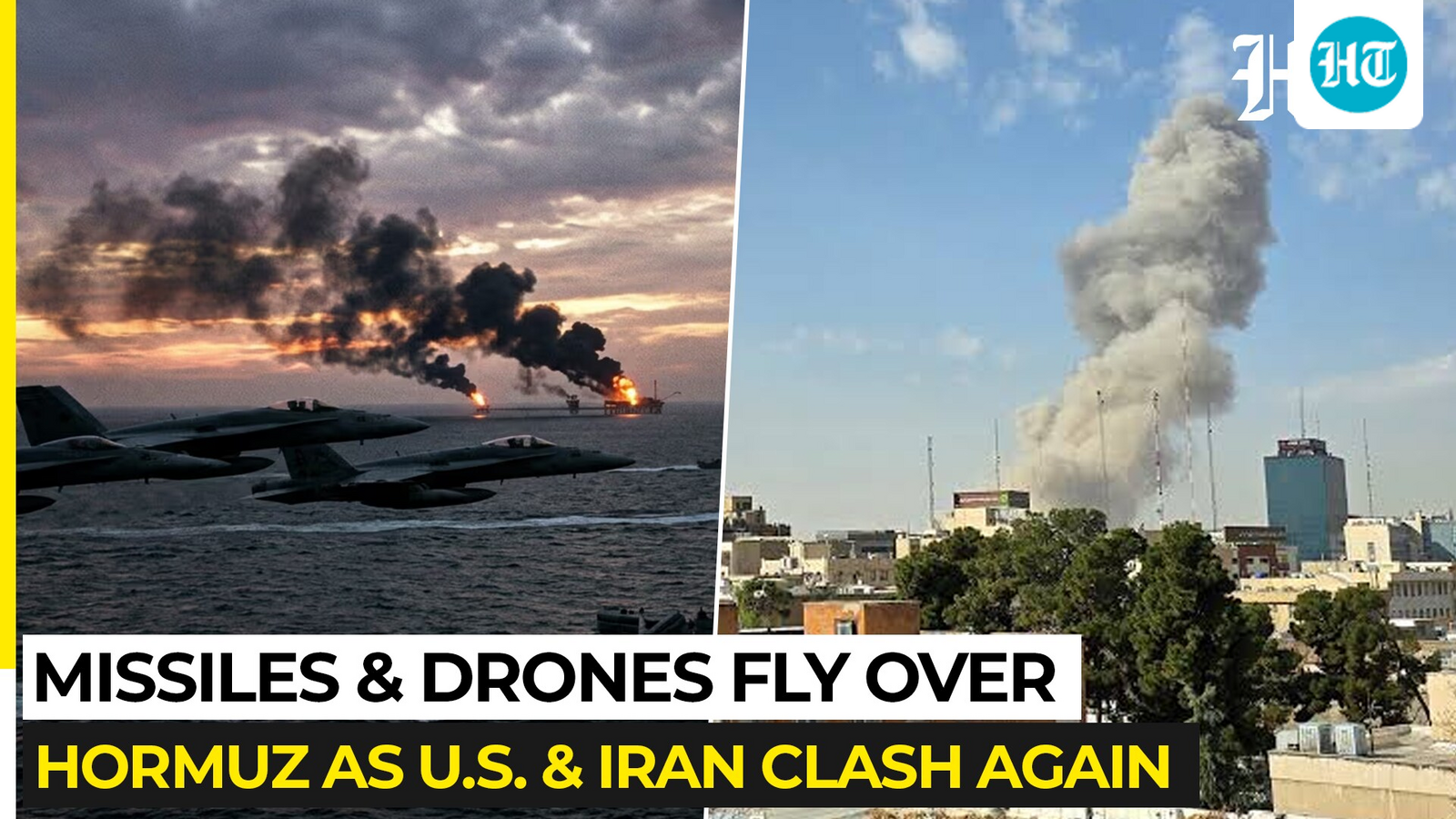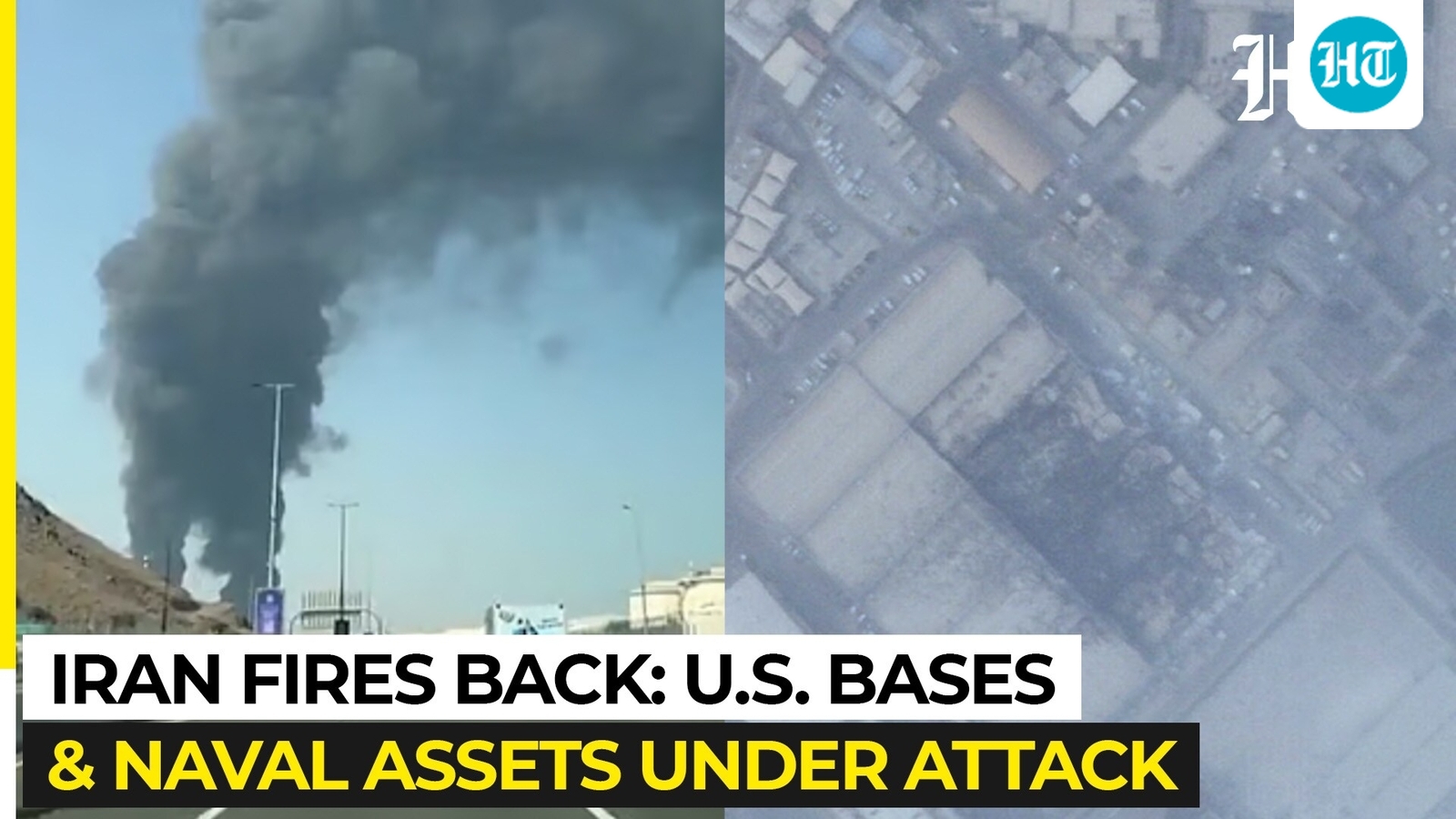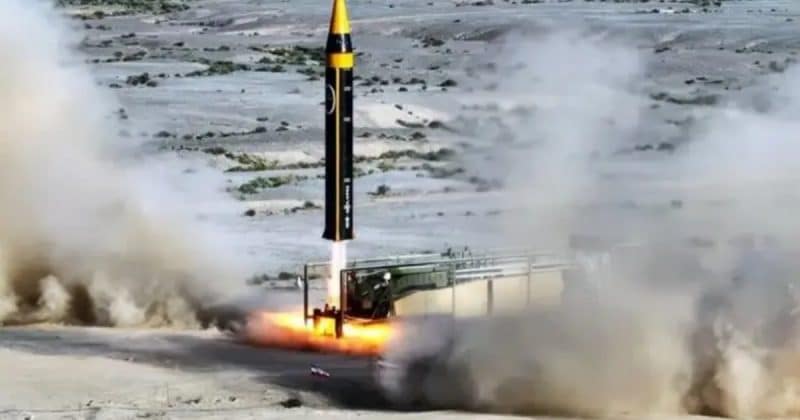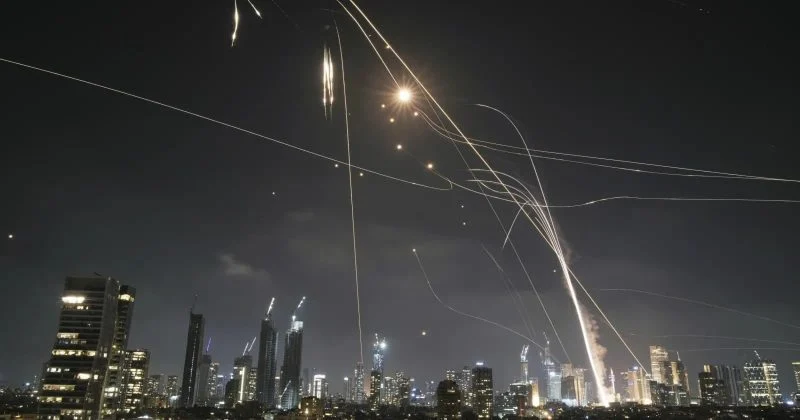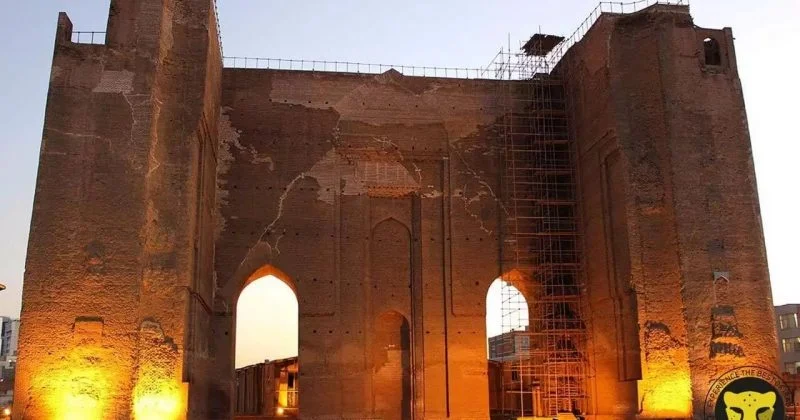
Iran fired ballistic missiles from launch sites in Tabriz and Urmia, two cities in the country’s northwest, marking another escalation in a conflict that has kept global markets on edge for months. The strikes are part of a broader pattern of military exchanges between Iran, Israel, and the United States that began during the Twelve-Day War in June 2025 and have continued well into 2026.
What’s happening on the ground
The Twelve-Day War, which ran from June 13 to June 24, 2025, saw Iran launch hundreds of ballistic missiles and drones in retaliatory barrages aimed at regional targets, including areas over Jordan. A ceasefire agreement was reached on June 24, but the word “ceasefire” has been doing a lot of heavy lifting since then.
On February 28, 2026, Israeli and US forces struck Iranian missile bases and nuclear-related sites, which predictably did not calm things down. Iran responded with further missile and drone attacks on Gulf targets, a cycle of escalation that has persisted as recently as early July 2026.
Tabriz and Urmia, both located in Iran’s Azerbaijan provinces near the Turkish border, host significant military infrastructure. IRGC facilities in the region have been repeatedly targeted by Israeli military operations in previous rounds of the conflict, making these cities both launch points and targets in the ongoing hostilities.