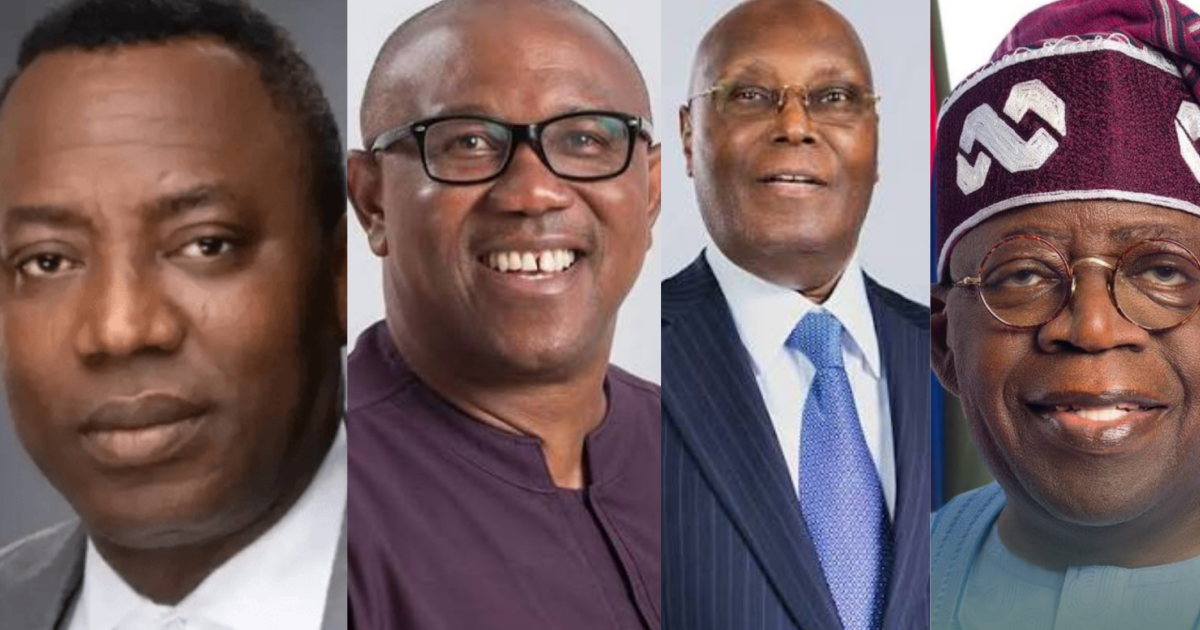
In case you don’t know, the election is a multi-billion-dollar industry in Nigeria. If you tabulate what Federal Government spend to conduct general, bye, supplementary and off-cycle elections, what political parties, aspirants and candidates spend on their electioneering activities, what the security agencies spend to secure the election ecosystem in the lead up to, during and after elections, what the donor partners spend to support the Civil Society Organisations on voter education, election observation and observation of election tribunals, what the National Assembly spend to amend or enact the Electoral Act and constitutional alterations relating to elections and what the various media organisations spend on logistics to cover election campaigns and election day activities; it is gargantuan and mind-blowing!
I am one of the experts in political finance in Nigeria. I have been involved in policy design and capacity building for politicians, electoral management bodies, journalists, civil society organisations and even security agencies on tracking of campaign finance and combating vote trading. Many Nigerians have not been able to connect the dots between campaign finance and corruption in governance. That’s what this piece is about. Am using the political contestants (aspirants and candidates) as a case study.