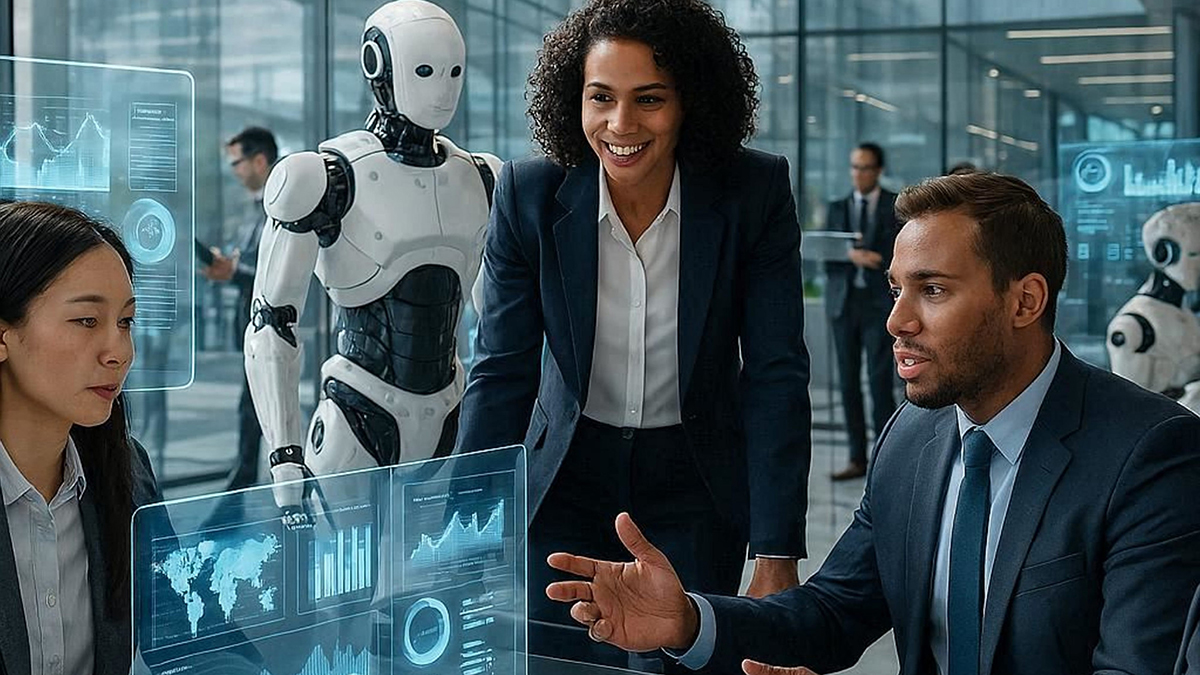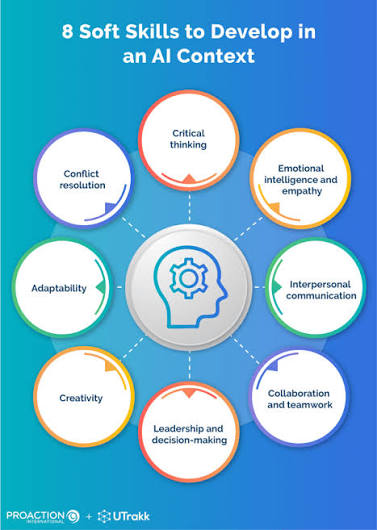
As artificial intelligence(AI) evolves from a tool that assists workers into autonomous agents capable of completing complex tasks independently, technical proficiency alone will no longer guarantee job security, but uniquely human capabilities such as critical thinking, emotional intelligence, creativity, and leadership will become most valuable workplace assets.
AI agent software systems that can independently plan, execute, and complete multi-step tasks with minimal human intervention are becoming part of enterprise operations.
Unlike traditional AI assistants that require constant prompts, these systems can manage calendars, draft reports, analyse data, coordinate workflows, conduct research, and even communicate with customers autonomously.
Major tech companies are officially transitioning from passive AI assistants to proactive, autonomous AI agents in workplace software. Systems like Microsoft Copilot, Salesforce Agentforce, Amazon Quick, and Google Workspace Studio are designed to independently plan, execute, and monitor multi-step business workflows with minimal human micromanagement.
While this transformation promises significant productivity gains, it is also reshaping what employers value most.