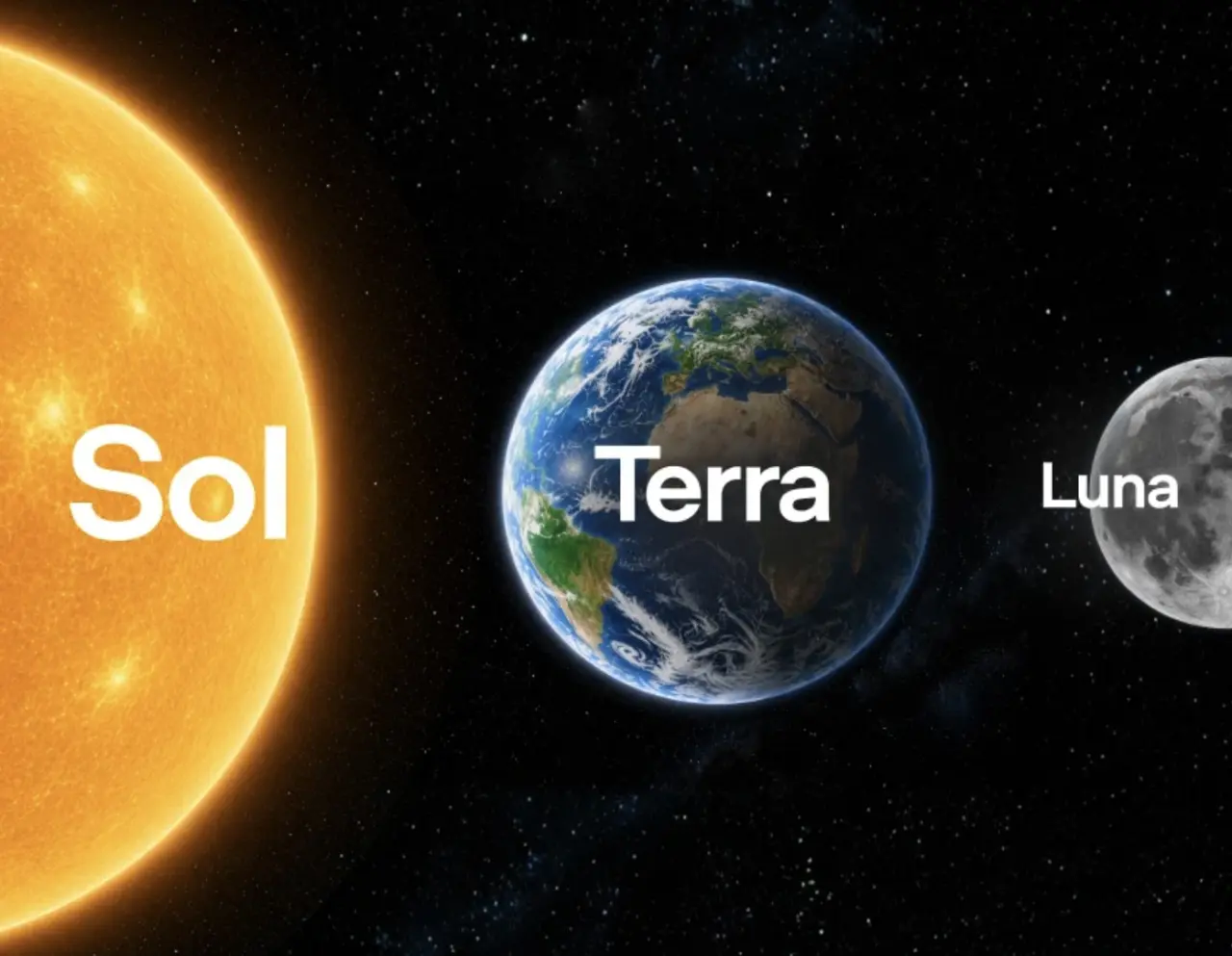
Before the Solana crowd gets too excited: OpenAI’s new “Sol” model has nothing to do with your favorite Layer 1 blockchain. It’s the company’s latest flagship AI, part of a new model family that also includes Terra and Luna.
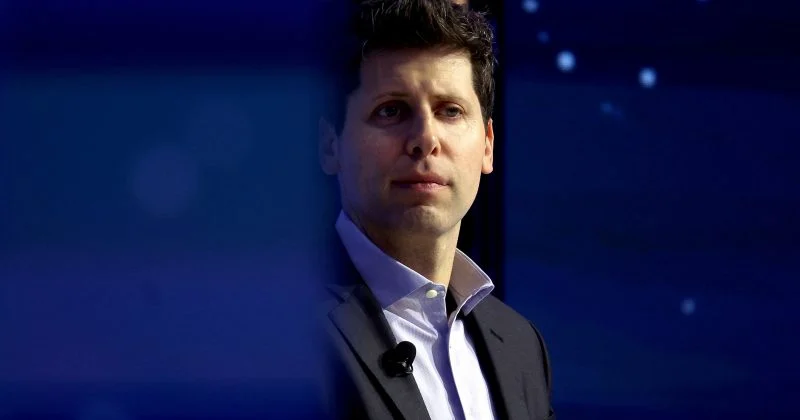
OpenAI CEO Sam Altman announced the GPT-5.6 Sol model with a mix of enthusiasm and caution. The model delivers a 54% improvement in token efficiency for agentic coding tasks compared to prior versions. But Altman warned users to expect “hiccups and capacity crunches” as the company attempts to scale its infrastructure to meet demand.
What the Sol model actually does
The GPT-5.6 Sol sits at the top of a new model family that includes Terra and Luna, each presumably targeting different use cases and performance tiers. The headline number is that 54% efficiency gain for agentic coding tasks, which is the AI industry’s way of describing automated code generation and execution.
In English: the model can do more coding work while burning through fewer computational resources. That matters because token usage directly translates to cost for businesses running AI at scale.