Are blockbuster films a separate market? Or are they interchangeable with other forms of entertainment?
The $111 billion Paramount–Warner Bros. merger may hang on that question. On July 13, a coalition of 12 states sued to block the deal, arguing that it will lead to excessive concentration in the theatrical and basic cable markets. The strongest claim may be that the combined entity will control 30% of the market for “anticipated top-grossing films.”
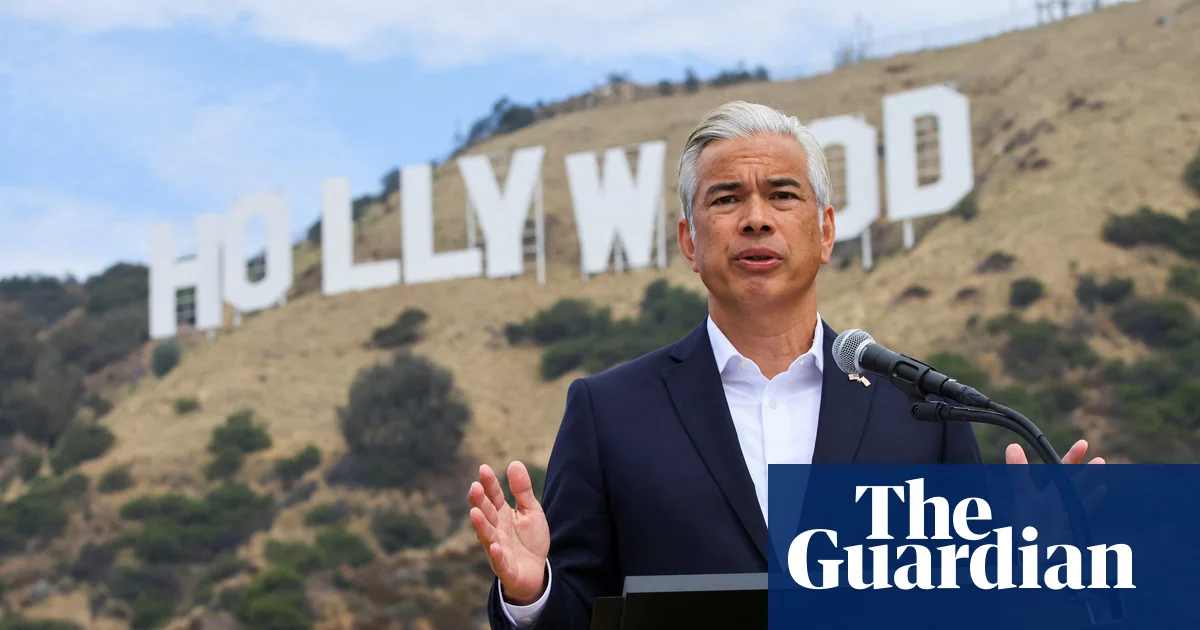
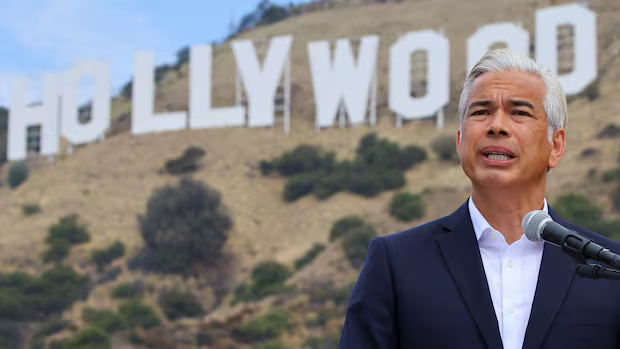
California Attorney General Rob Bonta is leading a lawsuit to block the Paramount-Warner Bros. merger.
“I think this is a strong case,” says Abiel Garcia, partner at Kesselman Brantly Stockinger LLP. “I think a massive movie like ‘The Odyssey’ or ‘Spider-Man’ — these are very different movies than art films.”
The suit, led by California Attorney General Rob Bonta, leans on a 9th Circuit Court of Appeals case from 1986, in which AMC accused rival circuit Syufy Enterprises of illegally monopolizing the San Jose, Calif., market for anticipated top-grossing films. Syufy argued that all first-run films effectively compete with each other — and that AMC’s definition was too narrow.