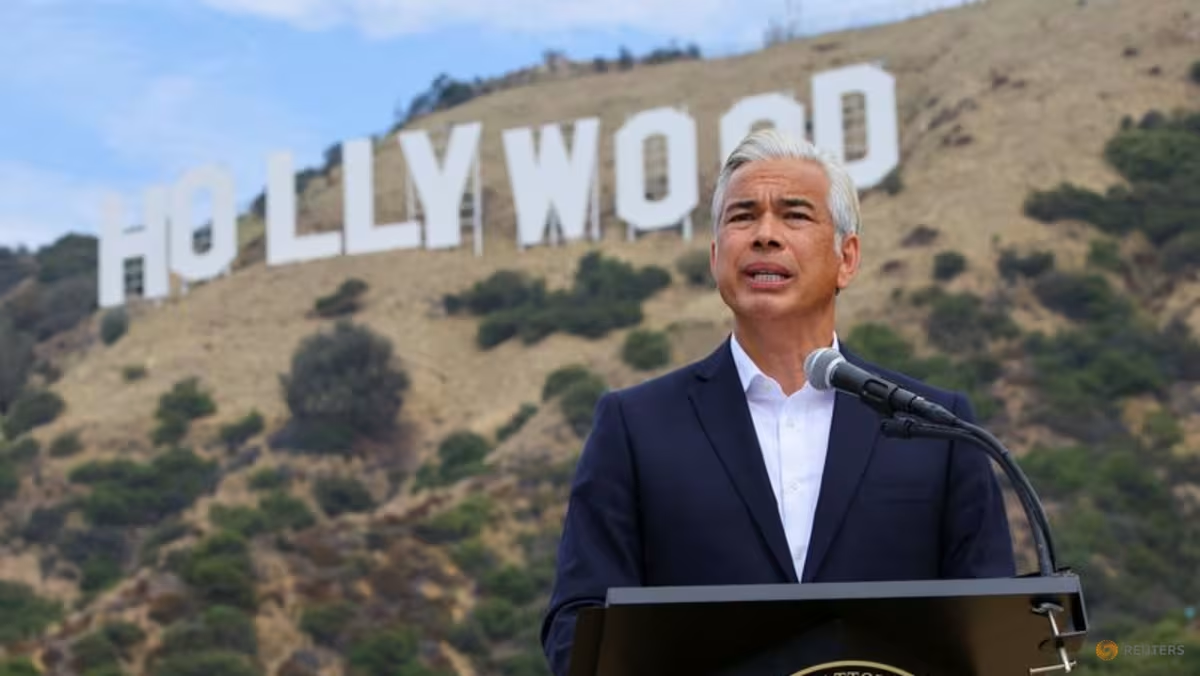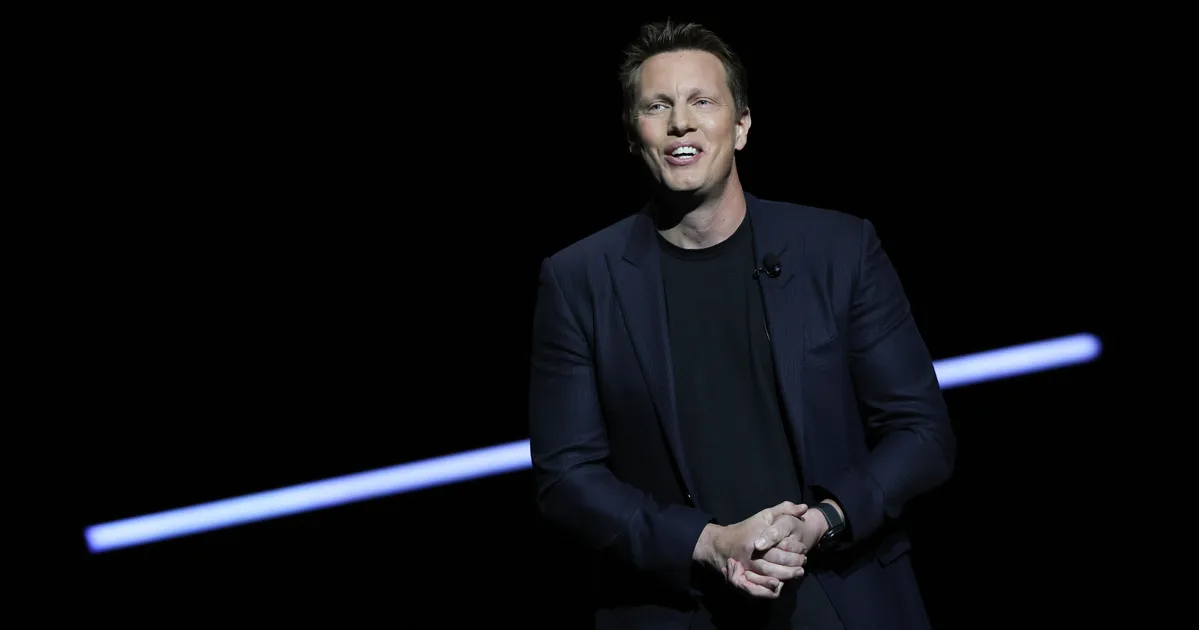
A group of 12 States sued Paramount Skydance Corp. Monday seeking to block its $110 billion bid to buy Warner Bros. Discovery Inc., alleging the blockbuster Hollywood deal would leave viewers with higher prices and fewer choices for movies and television. The antitrust lawsuit, filed in California federal court, alleges the deal would harm competition for film distribution and the licensing of cable TV channels. California and 11 other States with Democratic attorneys general joined the challenge, creating the largest legal hurdle to the deal after the Trump administration cleared the transaction without conditions in June. “After this merger, for every dollar generated by wide-release theatrical films and basic cable channels in this country, the combined company will pocket more than a quarter,” the States alleged in the complaint. “This merger, in short, would create a media behemoth.”In a statement, Paramount said the lawsuit was “wrong on the facts and the law” and it would vigorously defend the transaction in court.“This merger will create a company capable of investing more aggressively in premium content, theatrical releases, and creative talent at a time when those investments matter more than ever,” the company said.In a news conference held against the backdrop of the iconic Hollywood sign in Los Angeles, California Attorney General Rob Bonta blasted “back door deals” trampling on consumers and free markets.“This merger would snuff out competition, drive up prices, diminish content quality and produce fewer movies and shows each year,” Bonta said. “Antitrust enforcement is democracy’s check on oligarchy.”The merger has been the subject of intense lobbying in Washington as executives including Paramount head David Ellison have sought to curry favor with President Donald Trump and other administration officials. The Justice Department declined to challenge the deal last month, issuing a closing statement that the transaction wasn’t likely to harm competition.The deal would combine two of the five largest US film studios, giving the combined entity control over 27% of the market for films widely released to theaters, according to the lawsuit. Warner Bros. and Paramount would also control more than 30% of anticipated blockbusters, widely released films with large production budgets, the lawsuit alleged. Post-merger, only four companies would control more than 90% of that market — the new entity, along with Walt Disney Co., Universal and Sony Pictures.The transaction would also harm the market for television sold to cable and satellite providers, the lawsuit alleged. The deal would combine the second and third-largest players in that market with more than 50 channels covering news, sports, general entertainment, kids and family, and lifestyle, giving the company 27% by viewership, it said. While Paramount’s David Ellison has promised to produce 30 films annually for release in theaters and increase TV show output, the States said that pledge is unenforceable. They noted that Warner Bros. had previously failed to meet film release targets it made publicly in 2023 and 2024. TimelineThe lawsuit likely nixes Paramount’s hopes to consummate the merger before the end of September, when the company must begin to pay fees to Warner Bros. shareholders for any delay. A spokesperson for California said in a statement to Bloomberg that the States have asked Paramount and Warner Bros. to agree to hold off on closing their deal until the federal court has an opportunity to rule on the merger’s legality, a decision that could take several months. If the companies don’t agree, the States will seek a court order forcing Paramount and Warner Bros. to stay separate until a ruling.Oregon Attorney General Dan Rayfield had filed legal proceedings in State court last week seeking to force Paramount to delay its closing date. The State had requested that Paramount hand over an array of documents related to its lobbying efforts, including any role the company had in the Justice Department’s drafting of a formal statement approving the deal.Oregon withdrew that filing on account of Monday’s federal court complaint.Paramount has publicly said it won’t close the deal before July 22, when Europe’s watchdog is expected to issue a decision on the transaction. The company didn’t immediately respond to a request for comment on whether it would agree to delay closing as part of the States’ litigation.In a court filing, California asked that the case be assigned to Judge Araceli Martinez-Olguin in Oakland, who is already overseeing a private case challenging the proposed acquisition. Martinez-Olguin, a former civil rights and immigration lawyer nominated by former President Joe Biden, joined the bench in 2023.The States also brought on a team of litigators from the law firm Milbank to help litigate the case, who signed some of the court documents filed Monday.Once consummated, the transaction would leave David Ellison, son of Oracle Corp. co-founder Larry Ellison, in charge of two major news networks – CBS and CNN. The combined company would also control two of the largest streaming services, Paramount+ and HBO Max. Paramount beat out Netflix Inc. for the deal after a lengthy bidding war.The deal faces major opposition from Democrats in Washington and many in Hollywood, with actors, directors, producers and writers arguing that the deal would result in fewer jobs, higher production costs and less choice for audiences.More stories like this are available on bloomberg.comPublished on July 14, 2026
Paramount-Warner Bros. deal challenged by California, other States
California and 11 states challenge Paramount's $110 billion Warner Bros. merger, citing concerns over competition and consumer choice.
868 words~4 min read