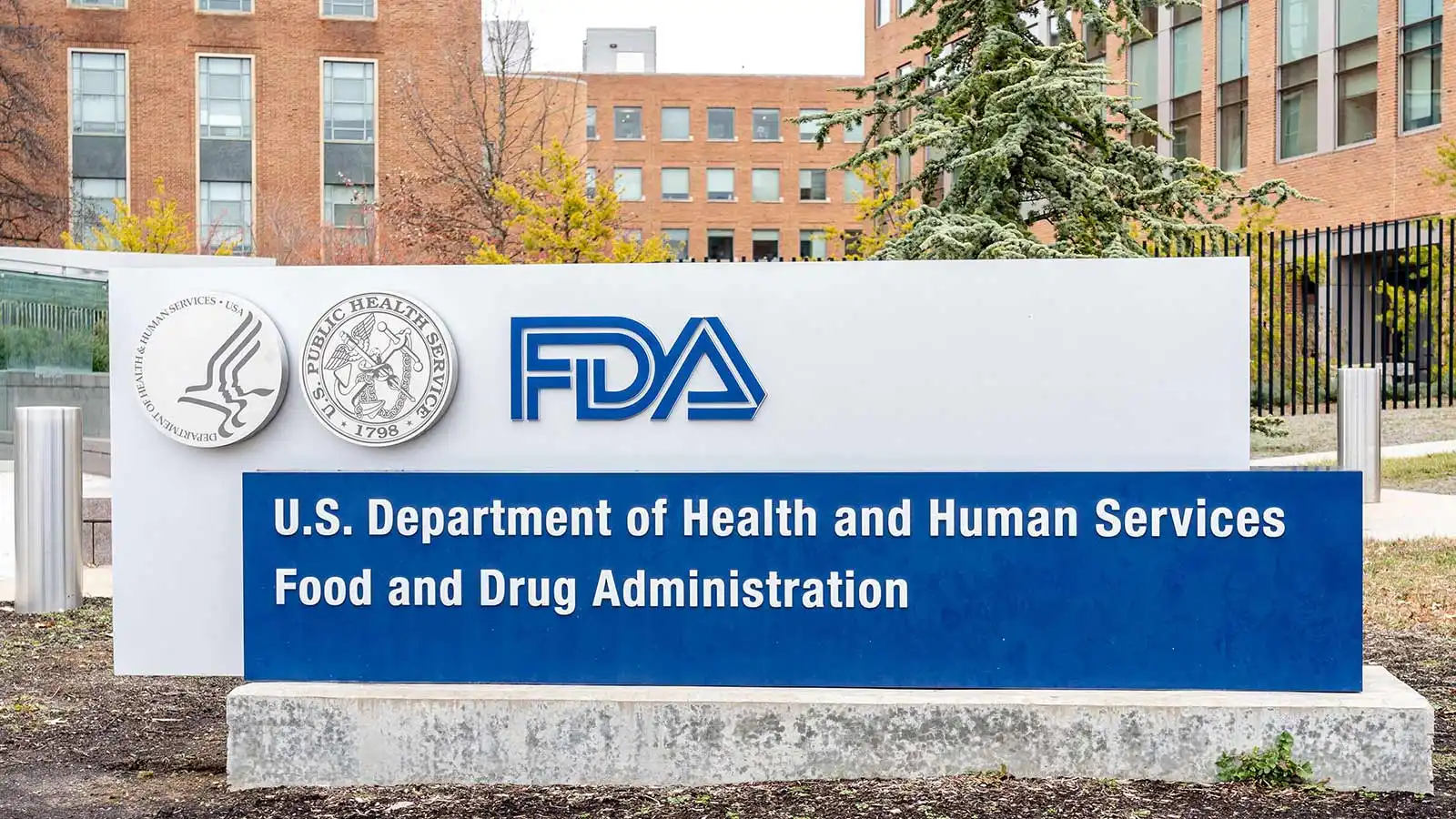
The FDA occupies a unique position at the intersection of science, medicine, public health, and innovation. Patients depend on the agency to evaluate therapies rigorously and fairly; innovators depend on predictable regulatory pathways; and investors depend on confidence that scientific evidence will guide decision-making.
That’s why it’s so disappointing and disheartening to see that only about half of Americans now say they trust the FDA, down from roughly three-quarters just two years ago — and the drop isn’t really about competence. It’s about independence. In KFF’s most recent tracking poll, fewer than half of respondents said they believed the agency can make decisions without political interference, and Harvard’s June 2026 survey found a majority believe federal health recommendations have become “too influenced by leaders’ personal beliefs” rather than evidence.
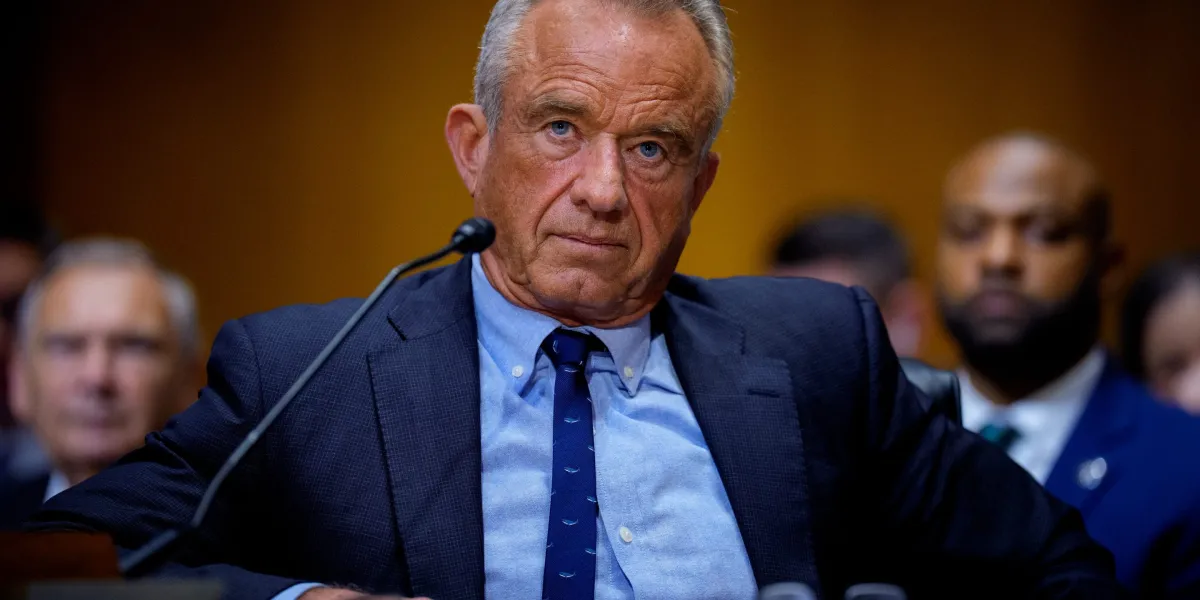
Much of that erosion traces directly to the agency’s own chain of command: HHS Secretary Robert F. Kennedy Jr., who oversees the FDA, has repeatedly and publicly called it “corrupt,” accused it of favoring industry over public health, and pushed staff to reconsider settled scientific positions. That tension is playing out in real time — as recently as June, the FDA’s own scientists recommended tightening oversight of peptide therapies even as Kennedy pushed to loosen it, a live example of political leadership overriding career scientific judgment inside the agency.