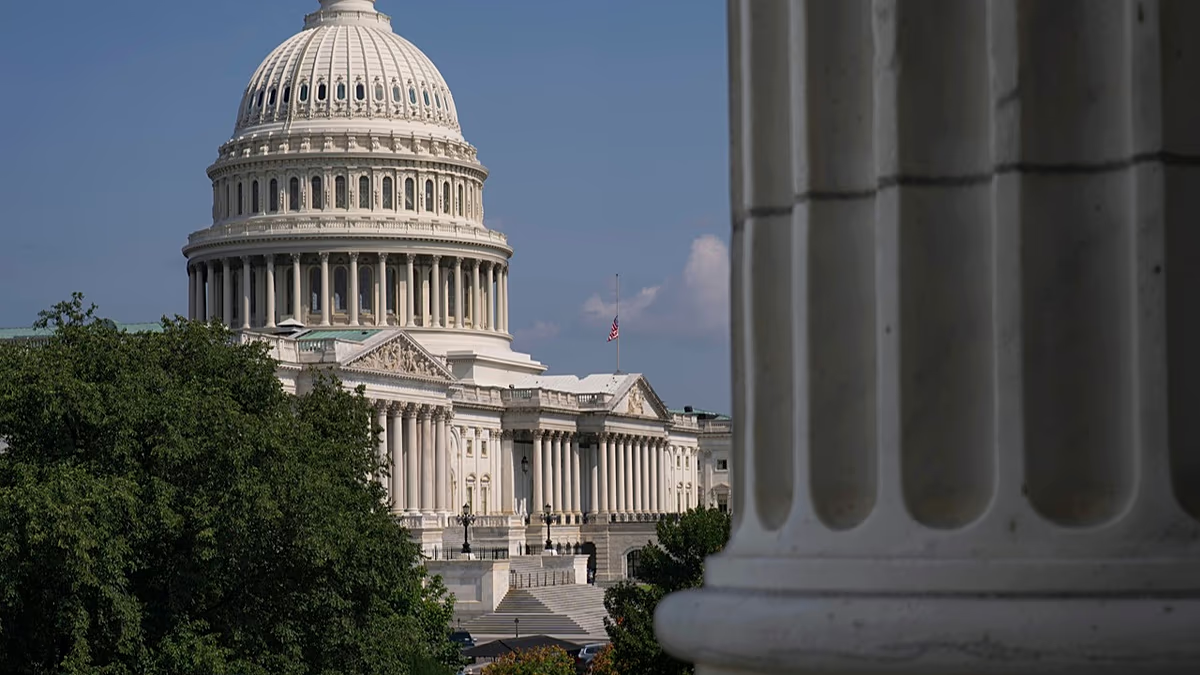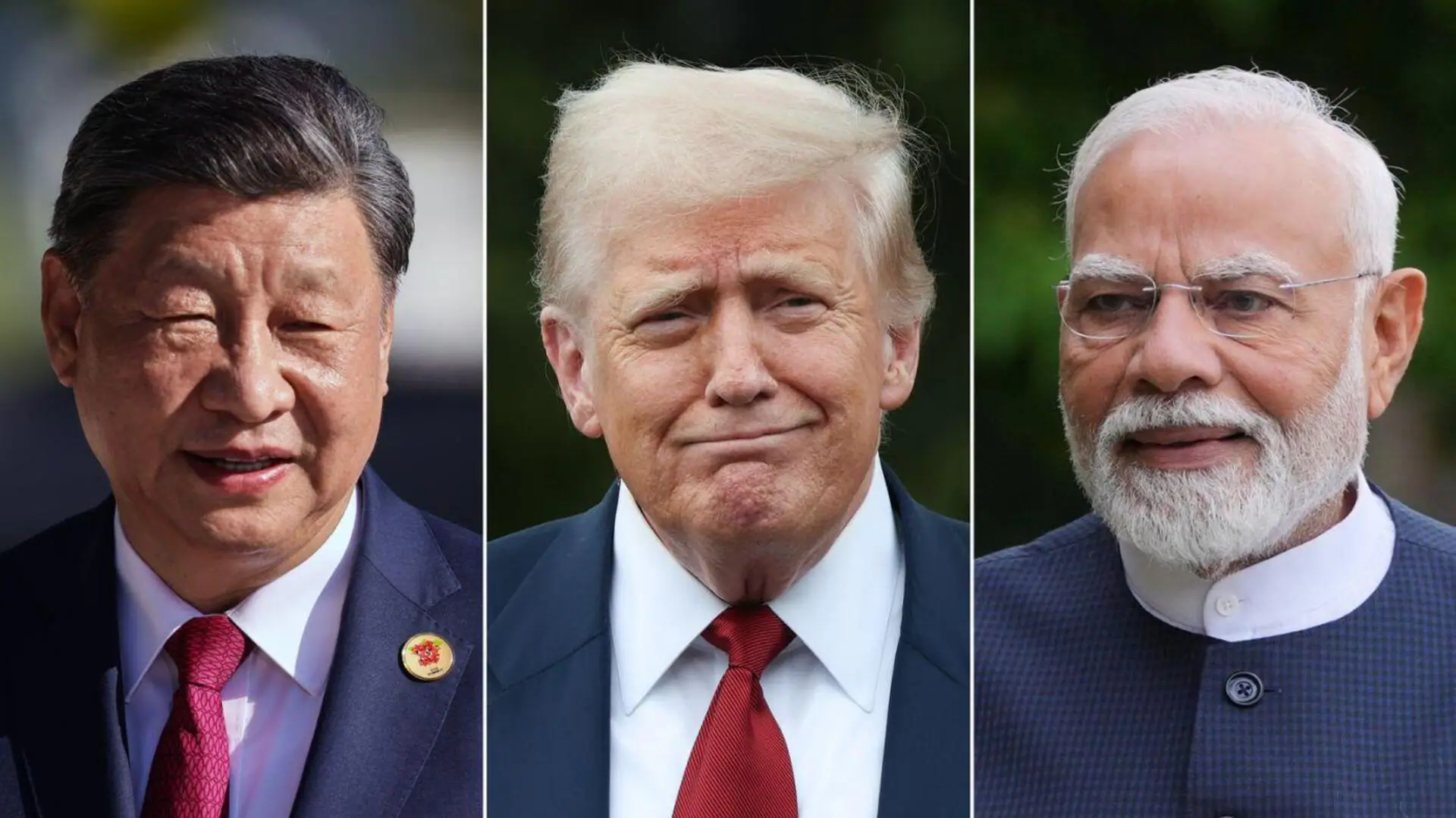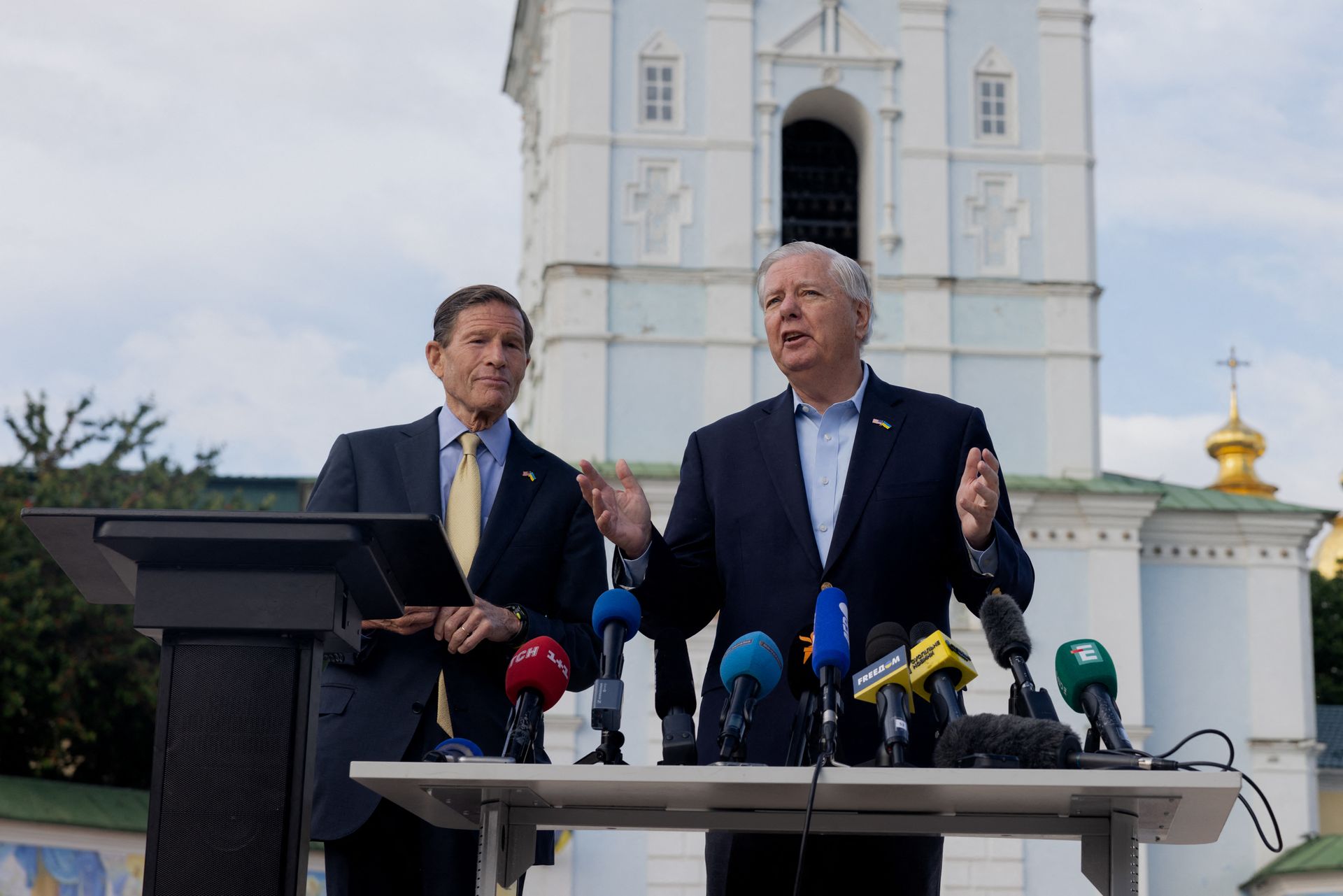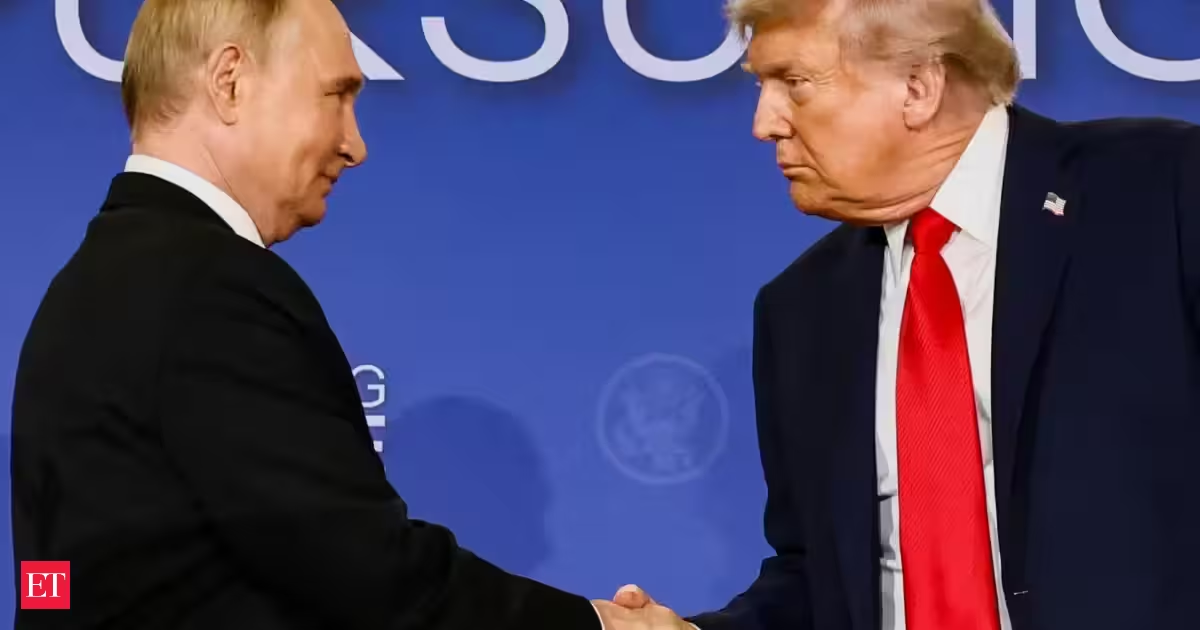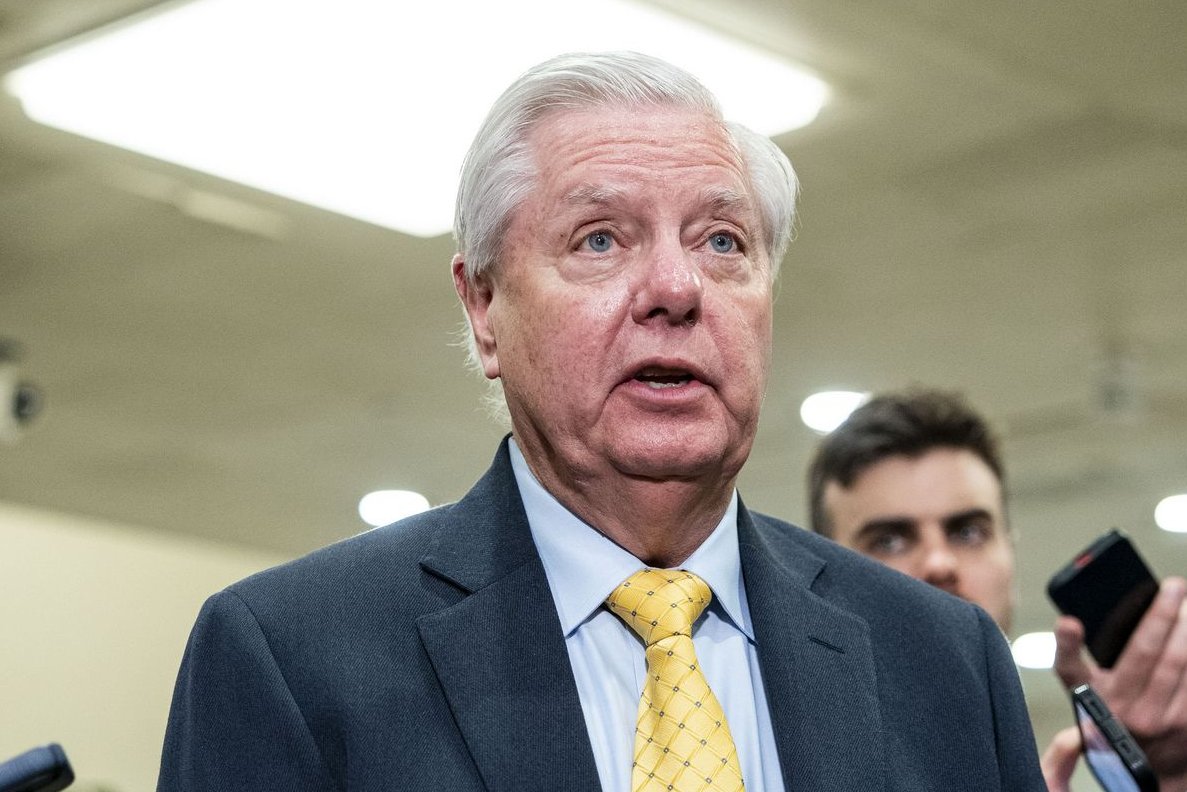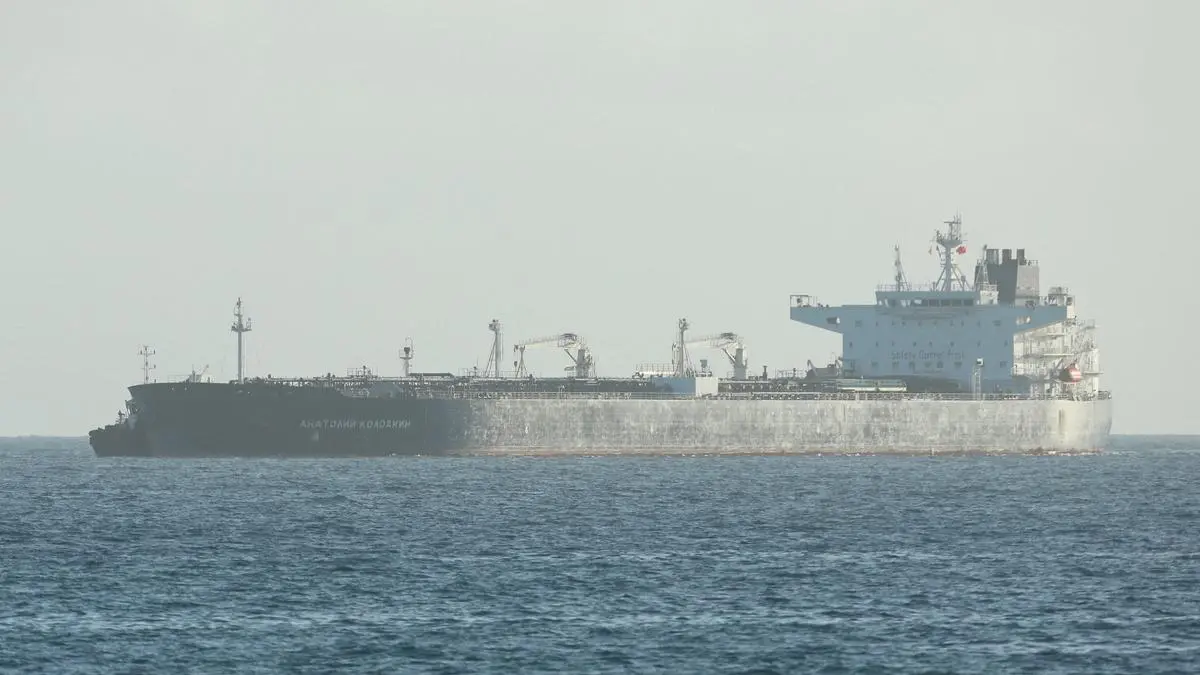
The U.S. Senate has updated its Russia sanctions bill, easing tariffs on Russian energy buyers and granting the President authority to waive sanctions. This development marks a shift from the initial stringent measures targeting countries purchasing Russian oil and gas. The revised bill, co-sponsored by Senators Lindsey Graham and Richard Blumenthal, decreases the previously proposed 500% secondary tariffs and expands presidential waiver powers. This move is largely seen as a response to President Trump’s call for more control over sanction implementation, allowing for a more flexible approach that could potentially exempt major buyers like China and India if considered beneficial to U.S. national security.
In the context of the crude oil market, this legislative change could influence the supply dynamics by potentially increasing the availability of Russian energy in the global market. As a result, market participants appear to be adjusting their expectations regarding the likelihood of crude oil reaching a new all-time high. Current pricing suggests a decrease in the perceived probability of such an outcome in the near term.
Key Takeaways
The revised sanctions bill appears to reduce the economic pressure on countries purchasing Russian energy, suggesting a potential increase in global supply.