Carnegie Mellon University will play a central role in a new U.S. National Science Foundation (NSF) Regional Innovation Engine designed to strengthen energy technology, manufacturing competitiveness, and economic opportunity across Appalachia.
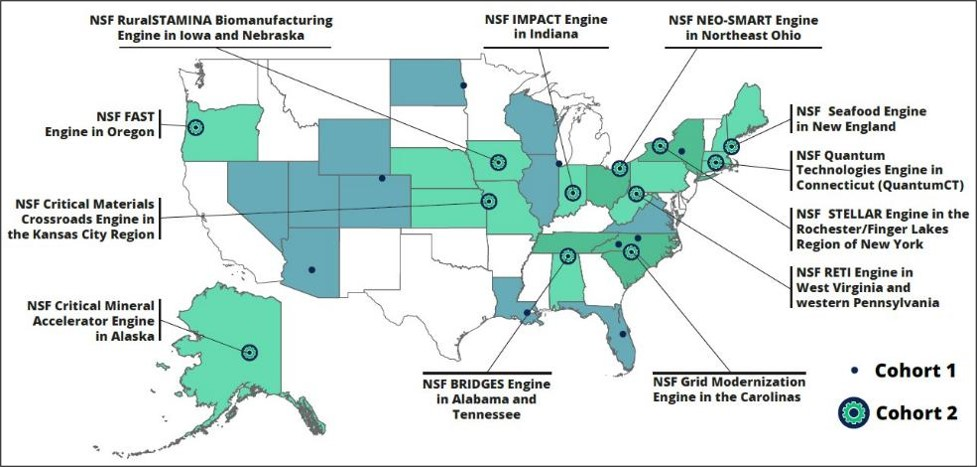
Led by West Virginia University in partnership with Carnegie Mellon University, the University of Pittsburgh, and more than 60 regional partners, the Resilient Energy Technology and Infrastructure (RETI) Consortium will receive up to $160 million over 10 years through the NSF Regional Innovation Engines program and will leverage another $161 million from RETI’s established industry, workforce, philanthropy, state government, and community partners to develop a world-class industrial energy innovation hub in the heart of Appalachia. After a competitive two-year selection process, NSF announced the RETI Consortium on July 14 as one of 12 new National Science Foundation Regional Innovation Engines award recipients.
The RETI Engine will fund research into making power grids and industrial energy systems more resilient and energy efficient. RETI will also support the deployment of this research into new regional businesses through entrepreneur fellowships, business development workshops, and state-of-the-art testing facilities.