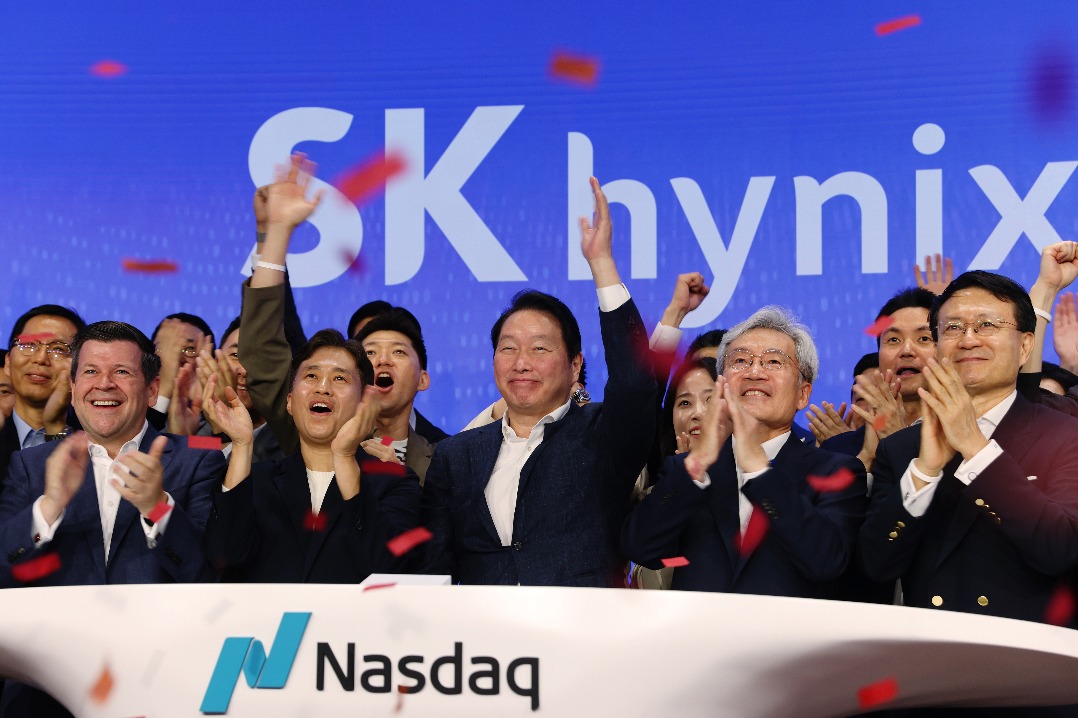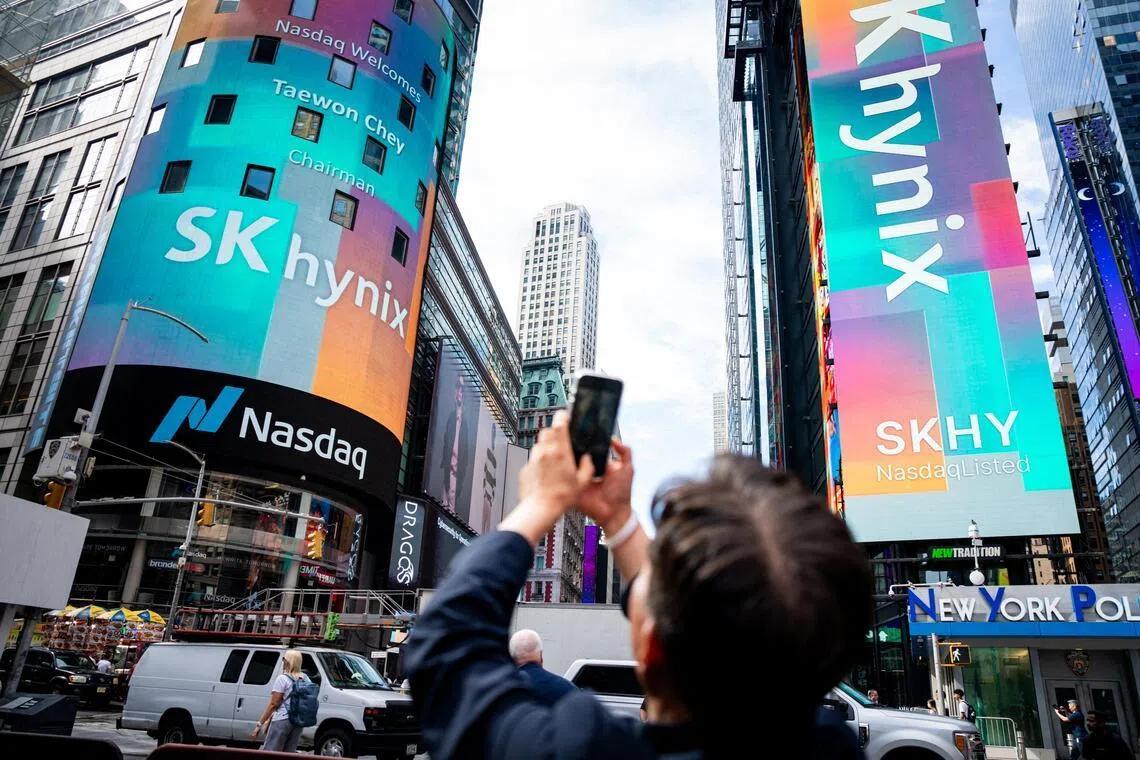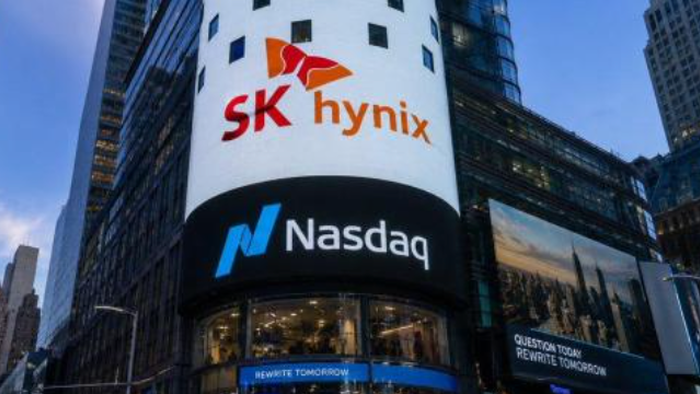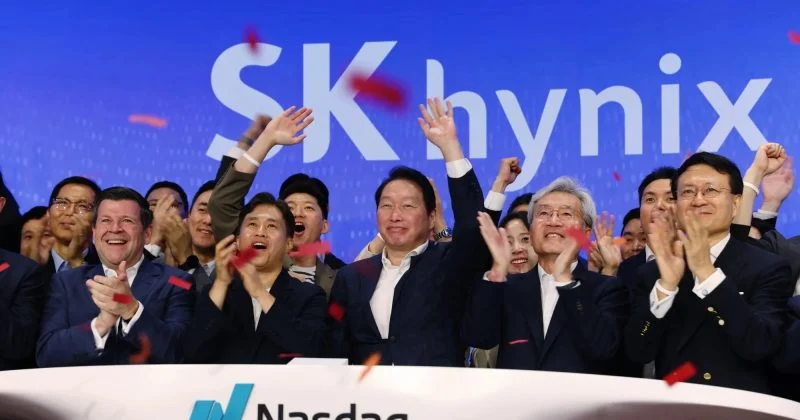
SK Hynix just pulled off the largest foreign ADR offering in history, raising $26.5 billion on Nasdaq. The South Korean memory chipmaker priced its American Depositary Receipts at $149 each on July 9, 2026. By the time trading opened, buyers were already paying $170, a 14% pop on day one. The ADRs briefly touched around $177 before things got complicated back home in Seoul.
Korean shares dropped more than 15% by July 13. As of that date, the ADRs were trading at a 25.6% premium compared to their South Korean counterparts, with rates hovering near $154.70.
Why the gap exists, and why it isn’t going away quickly
Each SK Hynix ADR represents one-tenth of a Korean common share, which sounds straightforward until you try to arbitrage it.
UBS analysts had flagged this dynamic before the listing even launched. US institutional investors face genuine barriers to buying Korean-listed equities directly, including currency conversion, market access hurdles, and settlement differences. The ADR solves those problems, and investors are paying a meaningful premium for that convenience.