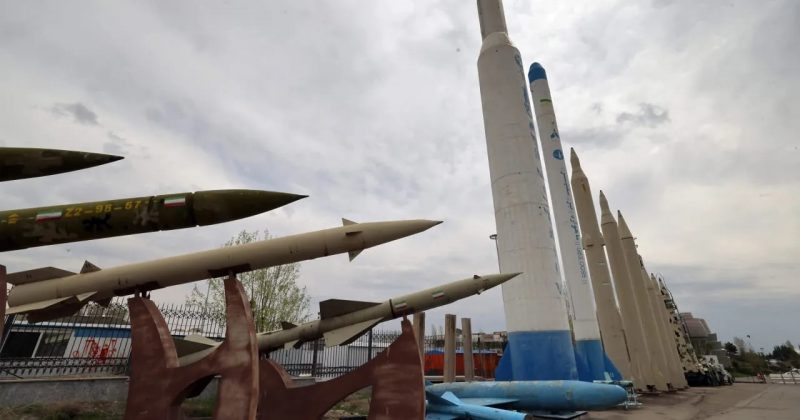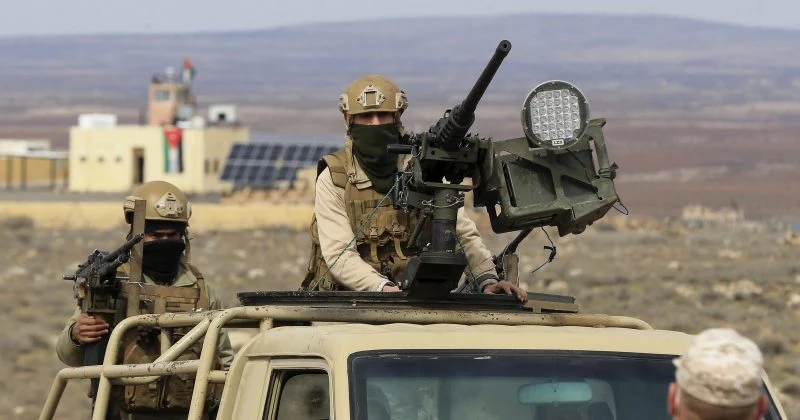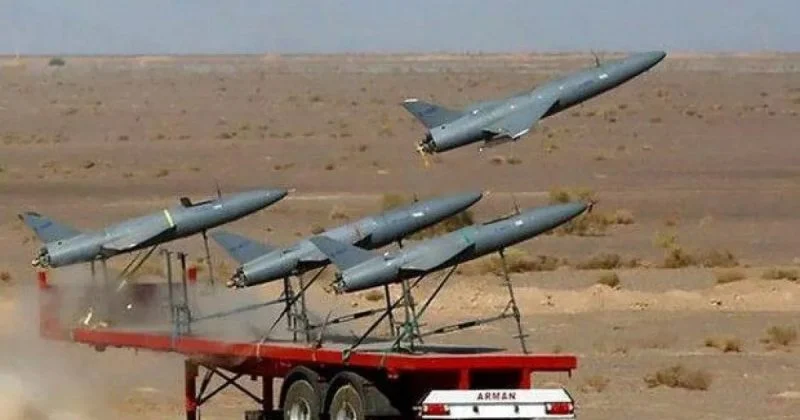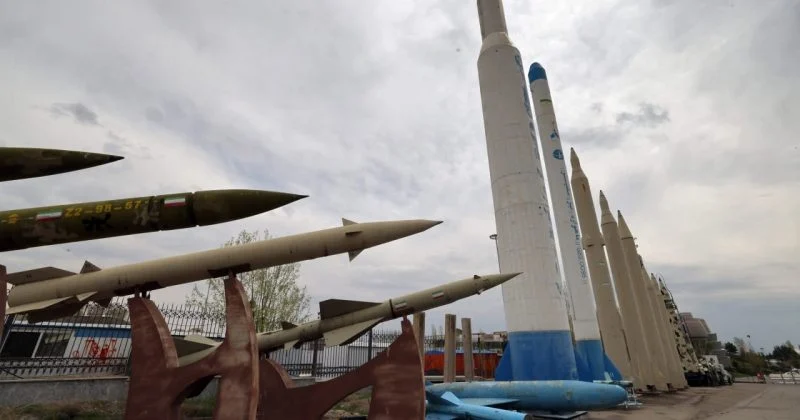
Iran’s recent missile strikes on Jordan are seen as part of its strategy to deplete regional interceptor stockpiles. This development comes amid ongoing tensions in the Strait of Hormuz, following the February 2026 conflict initiated by the US-Israeli Operation Epic Fury. The operation targeted Iran’s nuclear capabilities, leading to a retaliatory blockade by Iran, significantly affecting global oil and gas traffic. The situation has led to a fragile Memorandum of Understanding, potentially at risk as Iran continues to assert control over the region. The depletion of interceptor stockpiles could impact Israel’s missile defense capabilities, with reports suggesting that its Arrow interceptor reserves are critically low.
Key Takeaways
Iran’s missile activities appear to be a strategic move to deplete regional interceptor stockpiles, potentially impacting Israel’s defense capabilities.
The ongoing tension in the Strait of Hormuz suggests a decrease in the likelihood of traffic normalization by the end of August.
Market pricing for the Strait of Hormuz returning to normal by August 31 reflects a significant decrease, now at 11.5% YES, consistent with participants viewing traffic normalization as less likely.