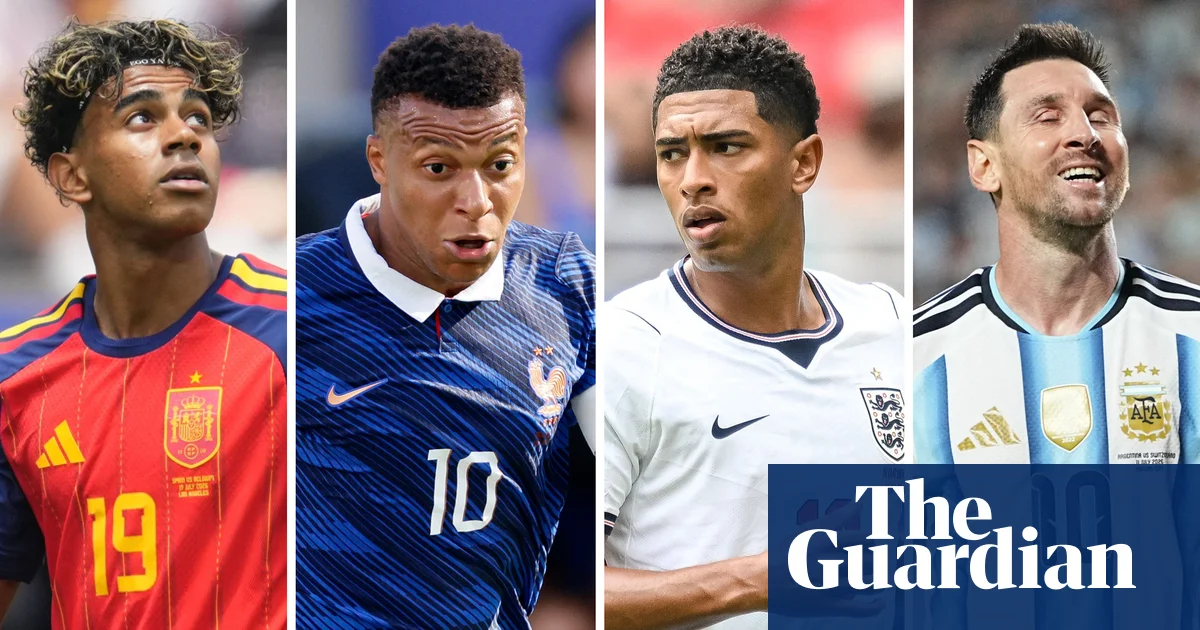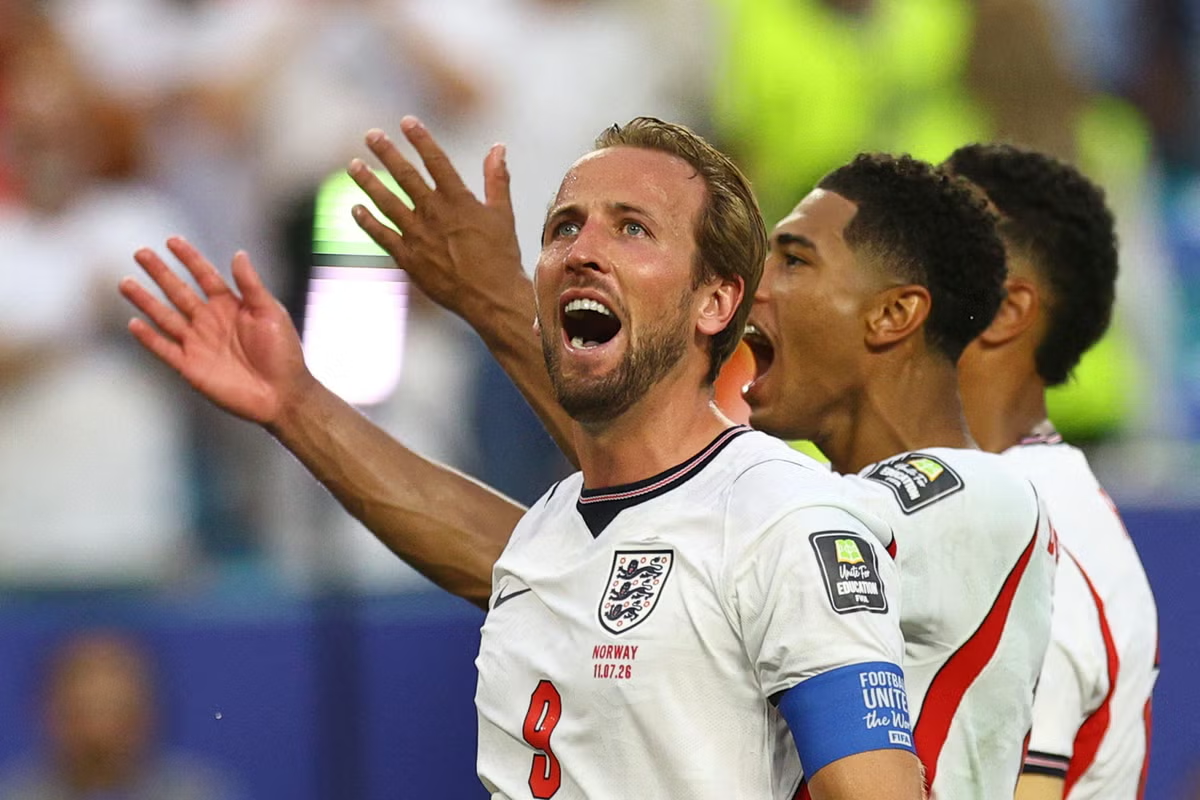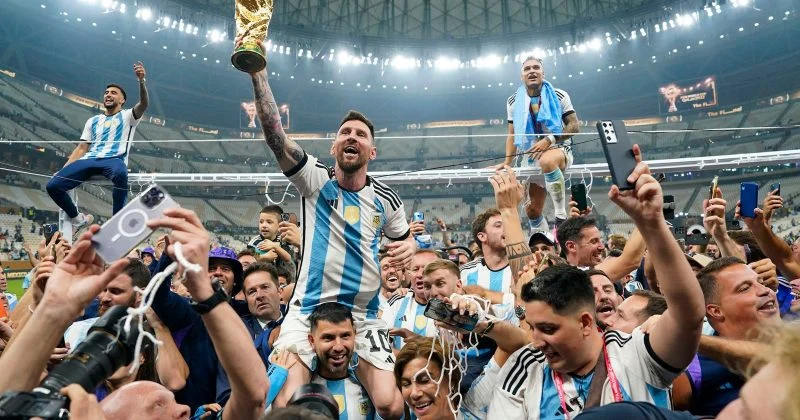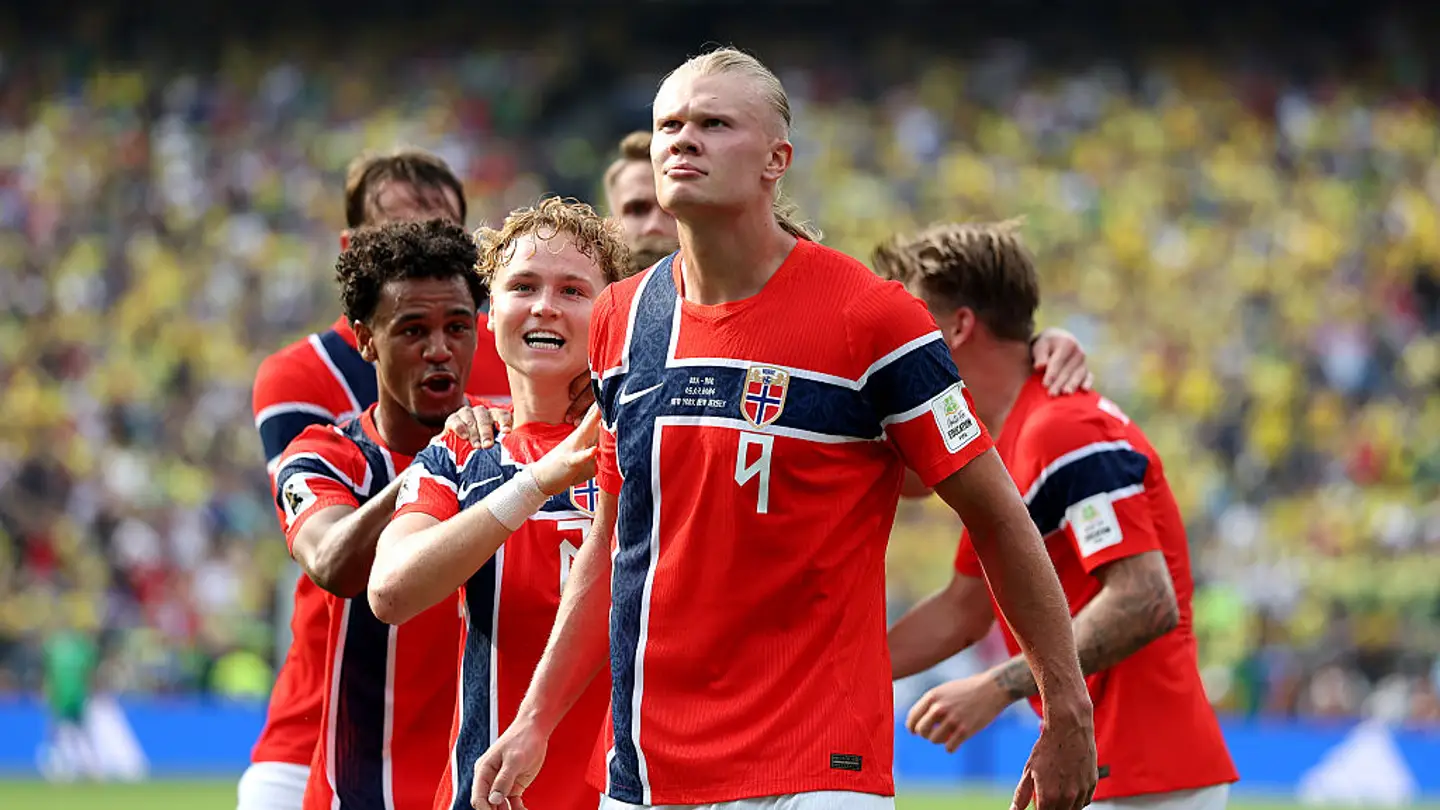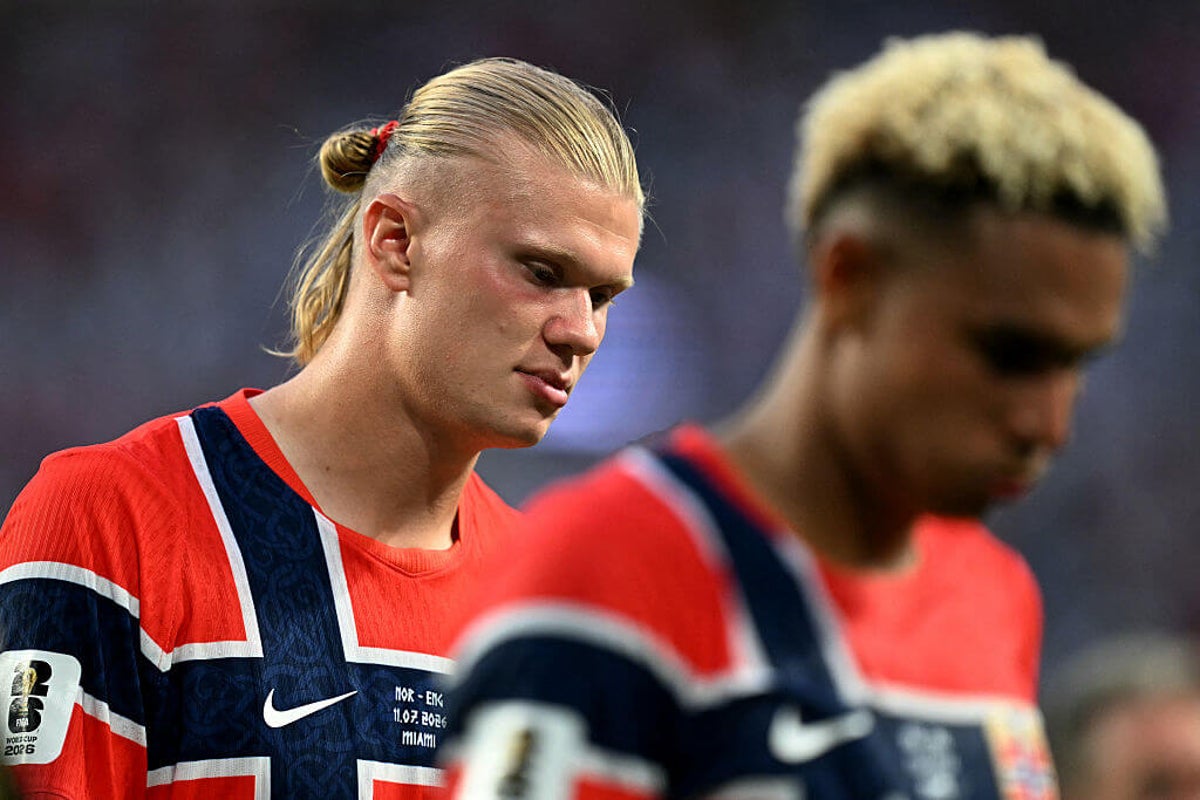
For the first time in history, the semi-finalists at a World Cup are also the top four teams in the FIFA World Rankings. In a tournament historically suited to the favourites, the anomaly is that this has never happened before.The tennis-style bracket has spread out the top four so they don’t knock each other out in the rounds leading up to the semi-finals.Across the tournament’s history, only three semi-finalists have come from outside Europe or South America (United States in 1930, South Korea in 2002, Morocco in 2022). Only eight nations have won the World Cup across 22 editions, and just 13 nations have ever reached a final, all from those two continents.France, Spain, England and Argentina facing off in 2026 feels like the latest edition of football’s four-yearly magazine, with the same names on the cover.Here’s a look at why this competition cannot be won by outsiders, the nations beyond football’s traditional powers, and what makes this stage so hard for them to even reach.Who are the lowest ranked team ever win the World Cup?Reuben Pinder and Joe CrisalliPedigree takes time to developThe most obvious explanation is the ‘know-how’ these big sides possess. The top nations have played the sport at an institutional level for more than a century. Generations of coaches have passed down the same techniques and ideas, while academies produce players who grow up playing the same brand of football.In practical terms, the nations that have played the game longest have had decades to build academies, domestic leagues and scouting networks, and with them a footballing culture woven into their identity. The exposure gap shows up on and off the pitch, and it is sharpened further by the opposition European and South American sides face in their qualifying cycles.Asian and African powerhouses often play teams ranked well outside the top 50 in the early rounds of qualification, and that uneven calibre of opposition quietly warps their preparation.A national team only borrows its players for a few weeks a year. It is their clubs that build them, across the ten months of a season, and that is where the head start widens.The four semi-finalists’ squads are drawn from Champions League rosters, almost entirely from the top five leagues in the world. Between them, they carry 71 players from this season’s Champions League clubs. Norway, Switzerland and Morocco, three outsiders who made the quarter-finals, muster 20.That ecosystem naturally produces several players who are used to knockout football twice a week and who can decide a game on their own. With a fortnight of preparation, you can plan for one match-winner. You can double up, close passing lanes, and steer the game into different channels. Doing that for three or four players at once is a different proposition entirely.Depth is key and favours big teamsThose same sides carry match-winners on the bench, too. When Spain need inspiration, the replacement could be a different profile of player, but the quality doesn’t dip. They brought on Mikel Merino to beat Portugal, then watched him do it again against Belgium. Norway, chasing a goal, had to withdraw Erling Haaland for Jørgen Strand Larsen.For the traditional outsiders, the talent pool shallows as players 12 to 26 come into view. Spain have not needed a minute from Martín Zubimendi or David Raya, both Premier League champions with Arsenal this past season.All 26 of Spain’s squad play their club football in the top five leagues, while two of Norway’s play in England’s second tier. Norway outplayed England for the second half of their quarter-final, but extra time was all England after subs were a majority of the field players.With larger squads and five substitutions, benches have decided games at record rates all summer, and this tournament has produced the most stoppage-time goals of any World Cup. The five-sub era rewards the deepest squads, handing them a greater share of the game.The hurdle is not only the depth of the replacements, but what is asked of the players already on the pitch. The talent gap is bridged with running. The compact block, the coordinated press, the sprint-heavy counters are exhausting ways to stay in a contest, and the cost compounds with every round. The seeds, meanwhile, could cruise through a group stage full of mismatches, rotating freely and replenishing their resources.Big-game experience mattersThe last two layers are mental, and statistical. For the heavyweights, big nights are routine, the kind their federations have lived through for decades, and that breeds the calm of a side that expects to be there.After England scraped past Norway in extra time, Thomas Tuchel was asked whether his players had a mentality problem, and he bristled at the suggestion. There was no mentality problem, he insisted: mentality was what had dragged them through. The problem was quality. For outsiders, these nights are unfamiliar, arguably the biggest their country has ever played, and it is hard to know what that weight does to a side.The probability problemThe arithmetic adds the hardest layer of all. Every round you survive, the next one is tougher. On a given day, any side at a World Cup can beat any other. But reaching a semi-final takes three straight wins, and the trophy takes five.Give an outsider a generous two-in-five chance in every round against a seeded side, and three in a row still comes out at roughly one in twenty. Upsets do not build on themselves, either. Paraguay’s reward for beating Germany was facing France.The wall, however, is not absolute. Croatia reached the 2018 final and the semi-finals again in 2022; Morocco made the last four in Qatar. Two outsiders who came close this summer took opposite routes. Morocco’s players come from, and star in, the top European leagues, while Norway built a system from the ground up, a federation investing in a style, a manager, a coaching structure and players who fit all three. This run is the result.Outsiders can land a punch on any given day. What they cannot yet do is land four or five on the bounce.But a 48-team World Cup means more nations at the table, and more runs to remember. This summer has given us newer stories to tell, Cape Verde the biggest of them all. Stories like theirs are what convince a country that it belongs. The wall has not yet fallen. But it has, at least, given more people something to knock on.
Why outsiders can’t yet compete for the World Cup trophy
For all the drama of this World Cup, the established powers still reign supreme. Why has that remained true throughout World Cup history?
1,064 words~5 min read