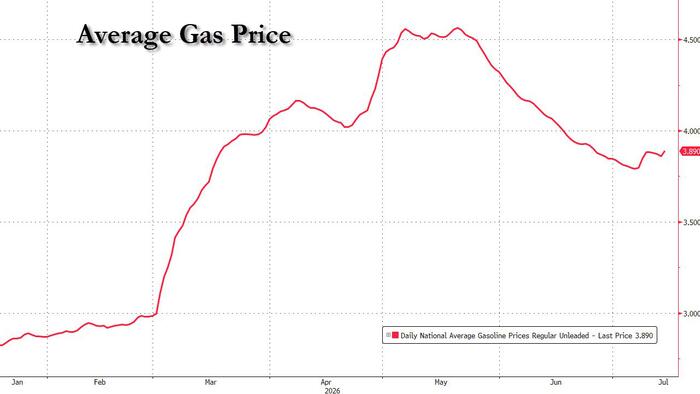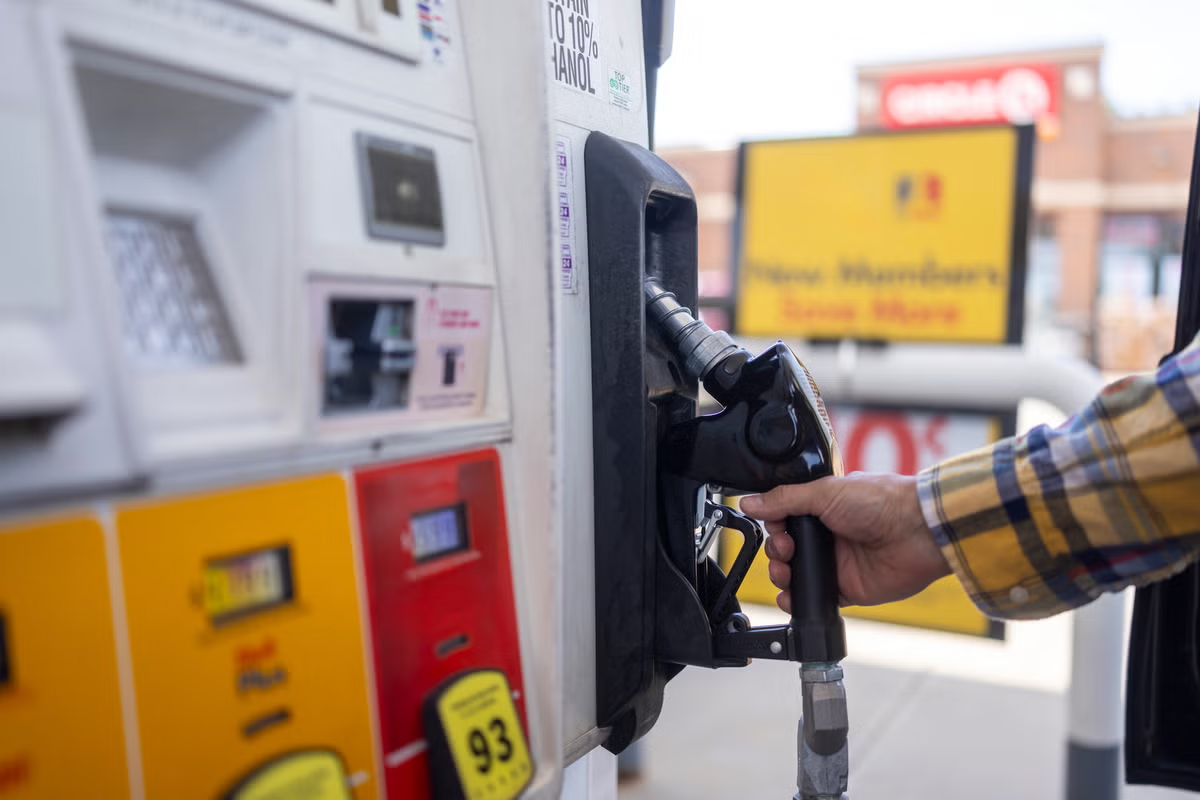
American drivers just got reacquainted with an unpleasant trend. US gasoline prices posted their first weekly increase since May after the collapse of a ceasefire between the US and Iran sent oil markets into a tailspin of uncertainty, disrupting one of the world’s most critical shipping chokepoints.
The ceasefire, which began on April 8 and was terminated on July 8 by President Trump, had briefly calmed energy markets enough to pull the national average below $4 per gallon by mid-June. That relief at the pump now looks like a memory.
What happened and why it matters
The Strait of Hormuz handles roughly 20% of global oil and liquefied natural gas transit. When military tensions flare in and around that narrow waterway, it’s not a localized problem. It’s a global supply chain event.
The ceasefire’s end has sparked renewed military exchanges and shipping disruptions in the Strait, reversing months of optimism that had pushed oil prices down by approximately 20% between May and late June.