Published July 14th, 2026 - 04:05 GMT
Highlights
The conflict follows a series of reciprocal military strikes, including earlier U.S. attacks on Iranian military facilities and Iranian retaliatory operations against U.S. and allied positions across the Gulf.
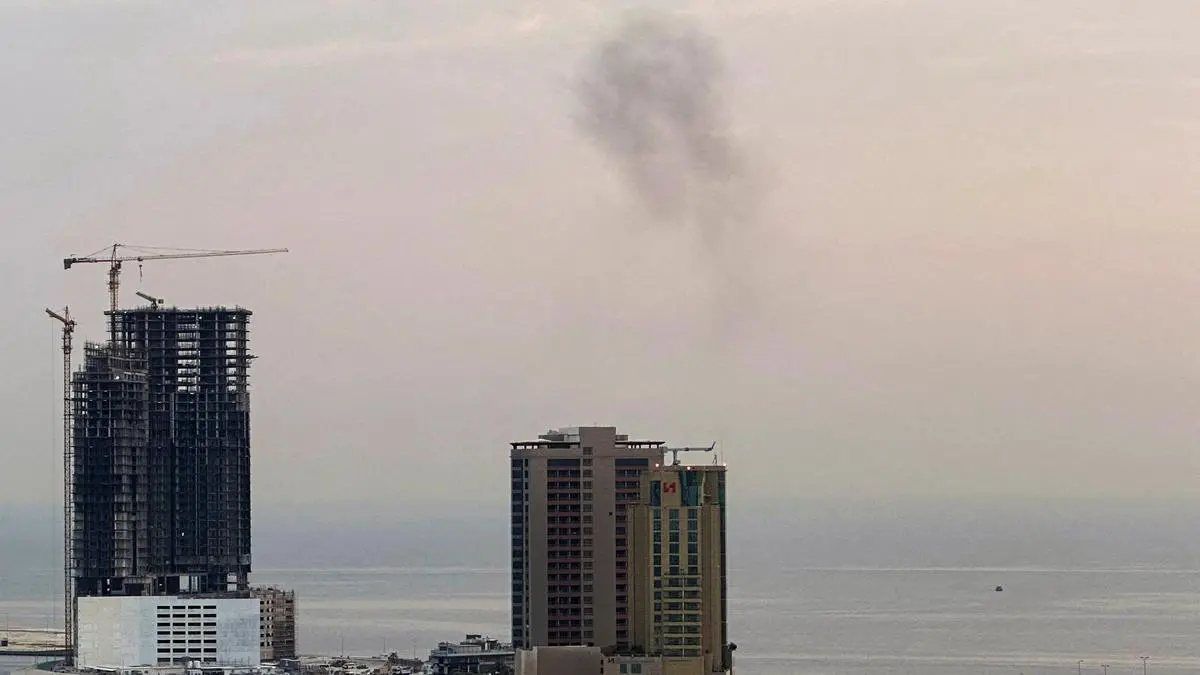
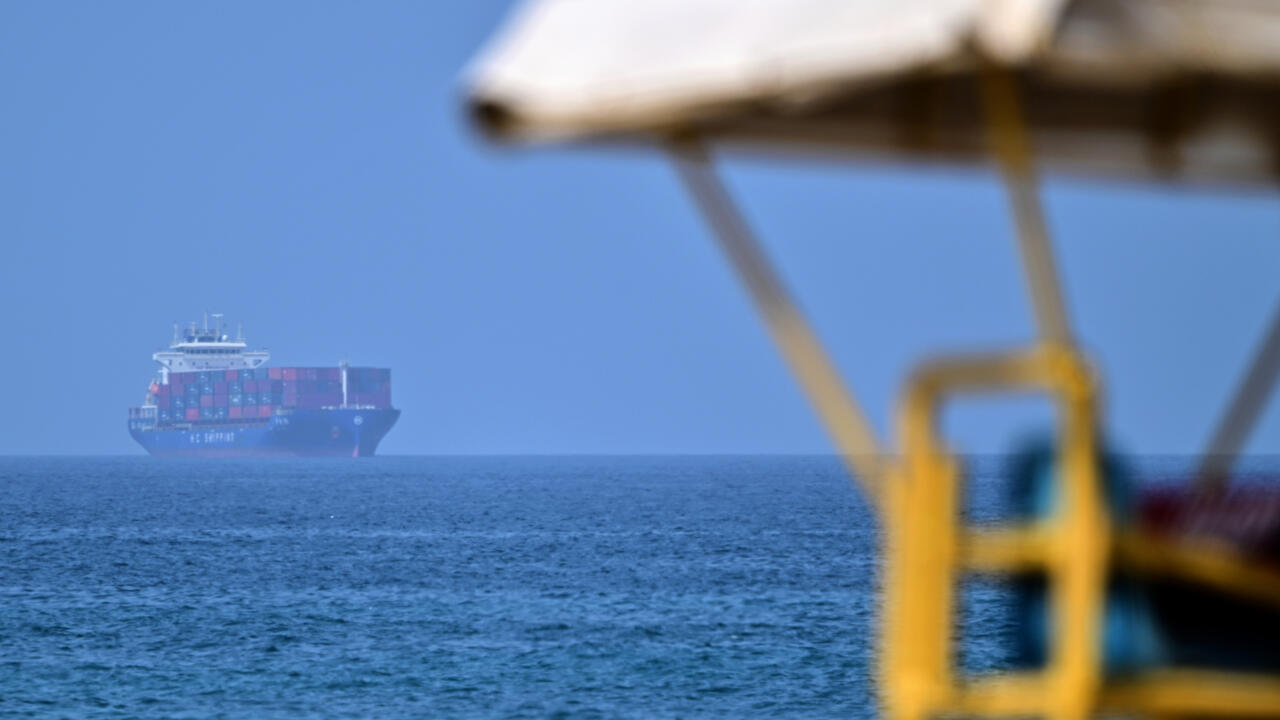
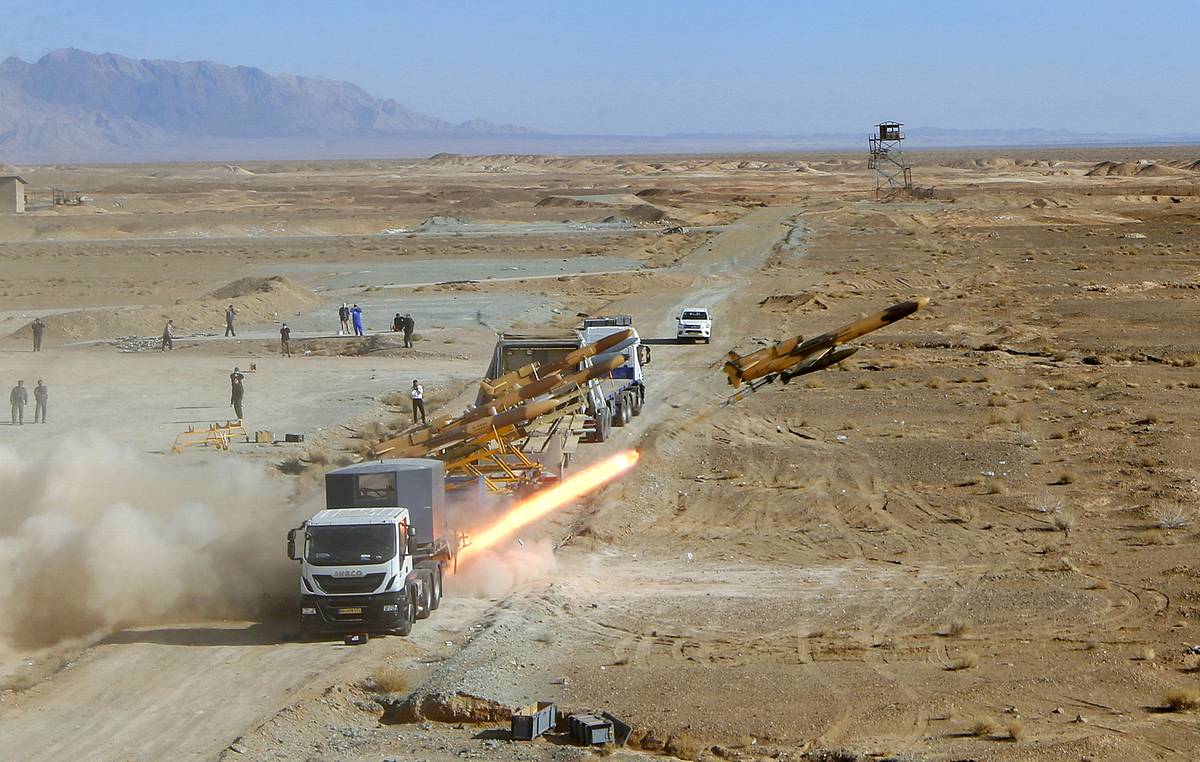
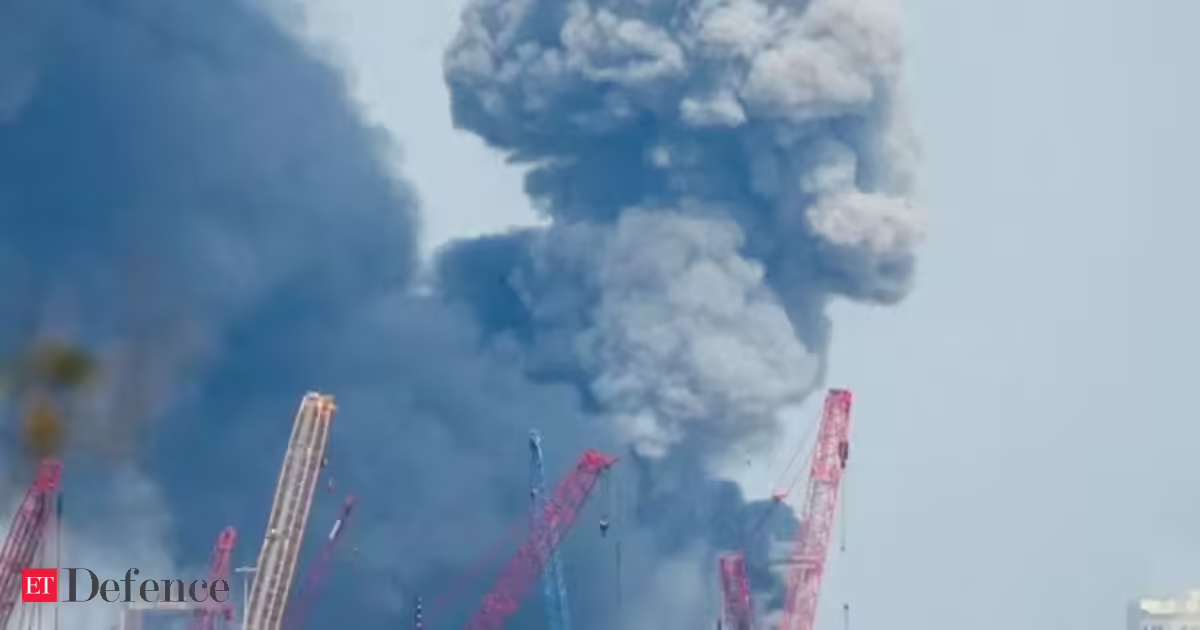
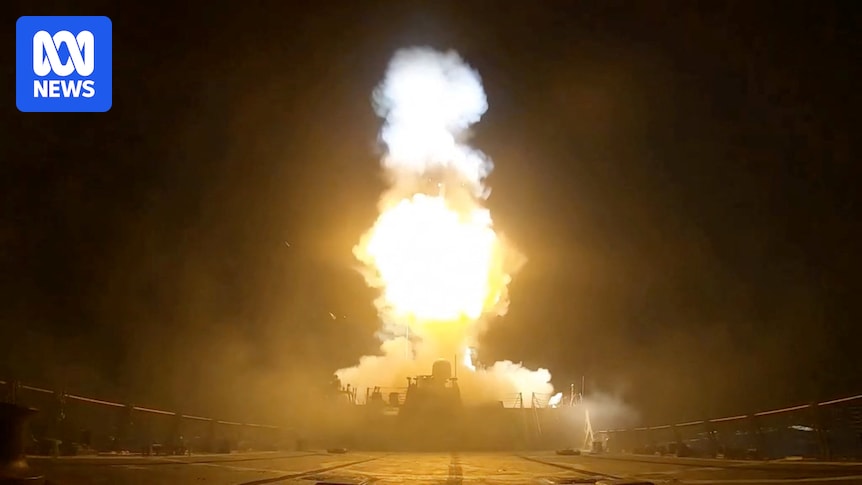
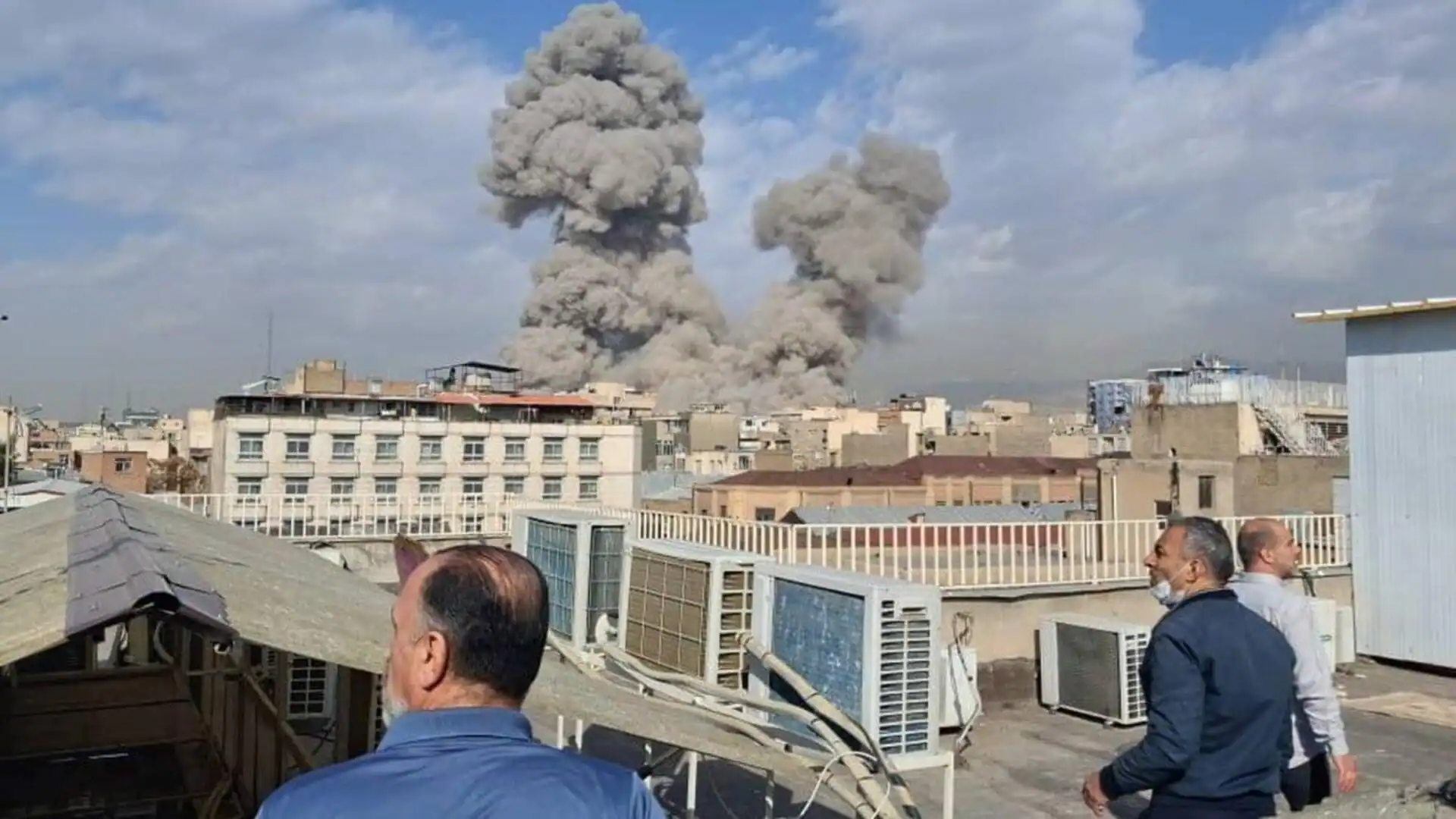
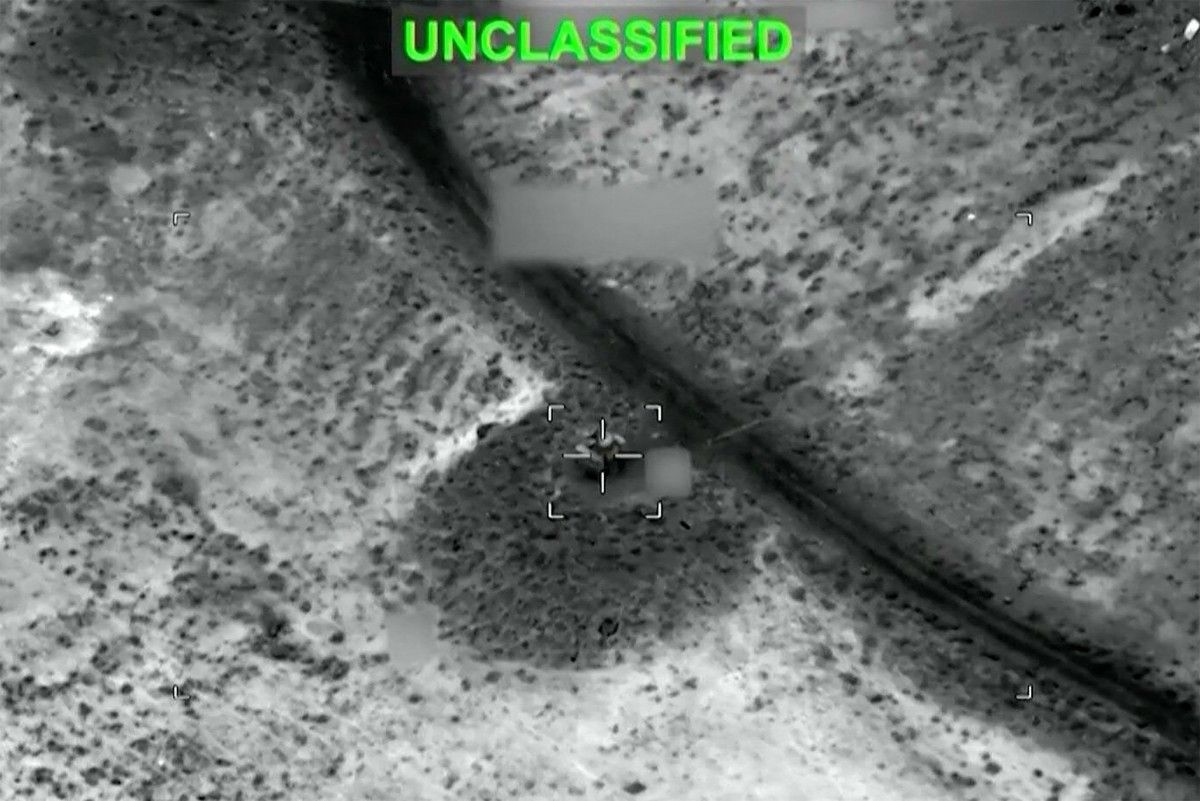
ALBAWABA- The United States launched fresh airstrikes on Iran's Qeshm and Kish islands on Tuesday, prompting Iran to retaliate with missile and drone attacks targeting Kuwait and Jordan, further intensifying the rapidly escalating confrontation between Washington and Tehran.Iranian media, including Fars and Tasnim, reported explosions on Qeshm Island in southern Iran. The island's electricity company said U.S. projectiles struck near a power plant, forcing several generating units out of service. On neighboring Kish Island, local reports said the strikes damaged several boats in the port area.The attacks mark the latest round of direct U.S. military action against Iranian territory as hostilities between the two countries continue to escalate.In response, Iran launched missile and drone attacks against regional targets. Air raid sirens sounded across Kuwait as the country's air defense systems intercepted incoming missiles and drones, according to Kuwaiti authorities, who said the threats were successfully neutralized. Iran had also targeted Jordan's King Faisal Air Base the previous night, extending its retaliatory campaign against U.S. allies in the region.The latest exchange comes amid an increasingly confrontational U.S. policy toward Iran. President Donald Trump has announced the reinstatement of what he described as an "Iranian blockade" in the Strait of Hormuz, while also declaring the United States the "Guardian of the Strait of Hormuz" and proposing new security measures for commercial shipping through the strategic waterway.The conflict follows a series of reciprocal military strikes, including earlier U.S. attacks on Iranian military facilities and Iranian retaliatory operations against U.S. and allied positions across the Gulf. Continued escalation threatens regional stability and raises the risk of disruptions to global energy supplies and international shipping through the Strait of Hormuz.