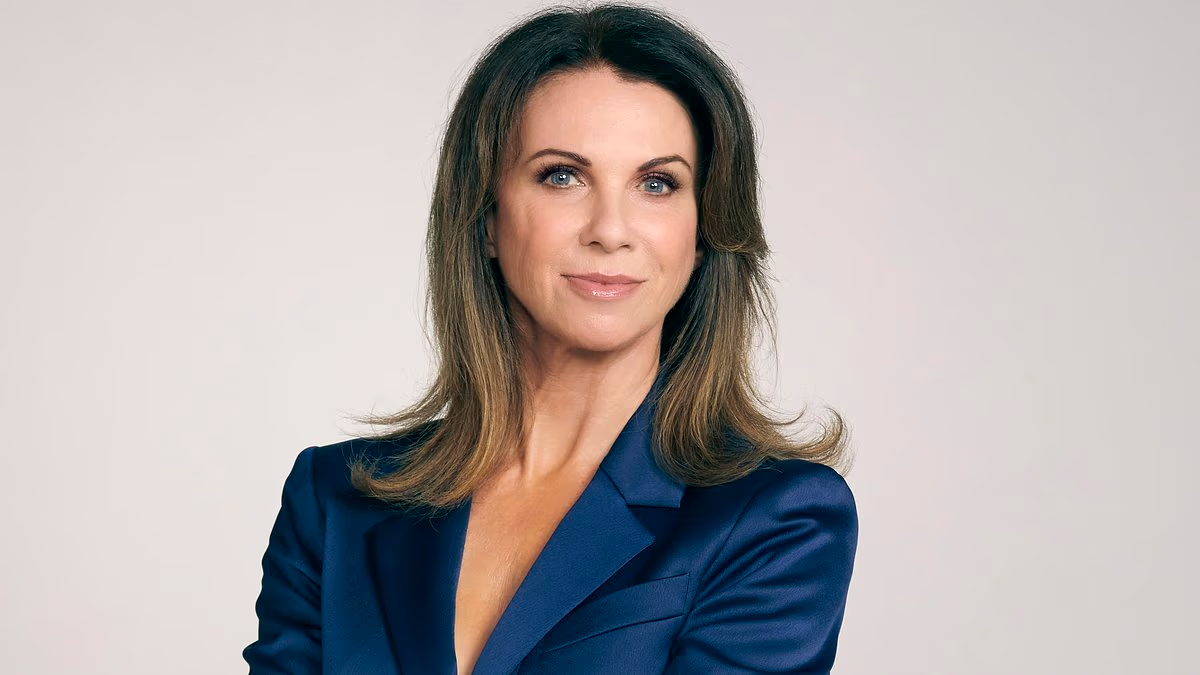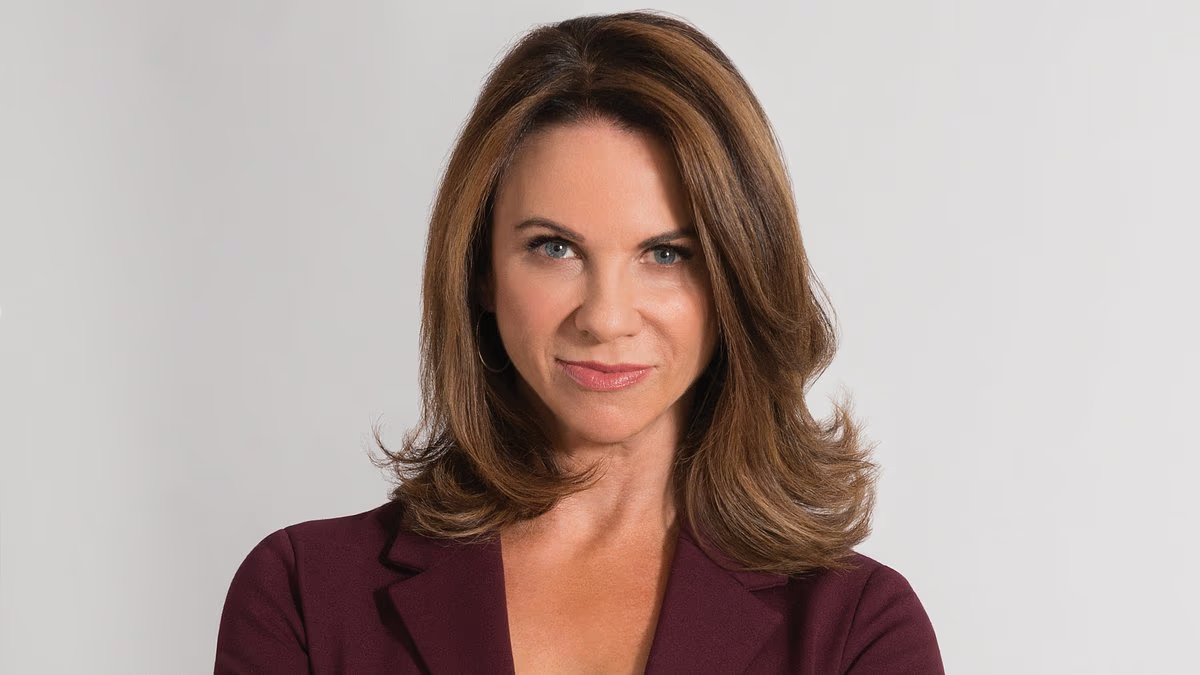
'If my husband died, it would solve all my problems.' This is the secret thought many unhappily married women are having right now.I'm not talking women scheming to murder their husbands but those who fantasise about a car accident. A sudden but painless illness. A heart attack in his sleep.Something that gets rid of their problem without them being the person blamed for breaking up the family.Therapists hear versions of the death fantasy confession often – particularly from women in long marriages with children, mortgages, ageing parents and lives that are so intertwined, leaving just doesn't seem possible.It's an escape fantasy that's more common than you think – and it tells us a lot about how women experience unhappy marriages and what they fear they stand to lose by leaving.Speaking to the Daily Mail, experts have revealed that a death fantasy about your partner doesn't mean you're dangerous or deranged because the thought is rarely the intention. 'Many people are surprised to admit they've imagined what life would be like if their partner died. In my clinical experience, that thought alone is not necessarily a sign that someone wants their partner to die. The meaning depends on the emotion behind the fantasy,' says Mel Plourde, a psychiatric technician and programme case manager at Eagle Creek Recovery.'One pattern I've noticed is that these fantasies often emerge in people experiencing chronic emotional overload. I've worked with clients who weren't imagining death because they wanted to harm their partner. They were imagining an escape from relentless caregiving, conflict or responsibility.'Rather than judging the thought, we explored what unmet needs it was pointing to and focused on restoring boundaries, asking for help and reducing burnout.'For others, the fantasy is a way to 'rehearse independence'. 'They aren't grieving a future loss,' Mel explained. 'They're trying to answer the question, "Could I survive on my own?" This is especially common in relationships where one partner has become emotionally or financially dependent. Therapists hear versions of the death fantasy confession often - particularly from women in long marriages where leaving just doesn't seem possible It's an escape fantasy that's more common than you think, says UK sex and relationships expert Tracey Cox'I encourage clients to build confidence through practical steps such as developing financial literacy, strengthening friendships and increasing autonomy instead of relying on imagined scenarios.'Experts also advised that it's important to distinguish this from death-related thoughts, which 'become more frequent during periods of high anxiety or obsessive thinking'.Mel adds: 'People are often distressed by the thoughts themselves and mistakenly believe having them means they secretly want them to happen.'In these situations, reassurance alone isn't enough. Learning to recognise intrusive thoughts without assigning them meaning is often far more effective than trying to suppress them.'Elsewhere, Riky Hanaumi, clinical director at Quadrant Health Group, says it's important 'not to judge the thought'.'Ask yourself, "What would this fantasy solve?" Is it freedom from caregiving? Financial stress? Conflict? Loneliness? The fantasy is often pointing toward an unmet need that deserves attention in therapy or in the relationship itself,' she advises.'Second, avoid trying to suppress the thought. The more people tell themselves "I must never think this", the more persistent it often becomes. Instead, acknowledge it without acting on it, then shift your attention toward the underlying emotion. I've found that clients make the most progress when they address the resentment, exhaustion or grief beneath the fantasy rather than the fantasy itself.'The biggest risk isn't usually that someone will act on these thoughts. For most people, these are intrusive or symbolic thoughts, not intentions. The greater danger is ignoring the emotional distress that produced them.'If the fantasies become persistent, pleasurable, are accompanied by thoughts of harming someone, or interfere with daily functioning, it's important to seek support from a qualified mental health professional promptly.'In my experience, these thoughts are less a sign of being a "bad person" than a signal that something in the relationship – or within yourself – needs compassionate attention.''Divorce would be like me pulling the pin on a grenade. If he died, I wouldn't be the villain'Hannah, 53, has been married for 33 years and is longing to leave.If one more person tells me how lucky I am to have my husband, I'll explode. I know how 'lucky' I am on paper. Chris is decent-looking, has a job in finance, earns good money and makes people laugh. He's a good father and both my little girls adore him. The problem is that I don't.I can see what everyone else sees, but they don't have to live with him. Chris is intensely irritating on so many levels. I hate the way he eats; I hate the stupid jokes he makes and the way he fusses over tiny details that don't matter.He's two faced. He has all the patience in the world with our daughters – I'm always the 'baddie' who disciplines them – but the minute it's just us, he nitpicks. Why did I buy that muesli and not the one he likes? Why did I plan the dinner that weekend and not another one? Nothing is ever good enough.He has a very high opinion of himself which isn't helped by my single girlfriends fawning over him. They're always sighing and saying, 'Why can't I meet someone like Chris?' If I could wrap him up and gift him to them, I would. But then, where would that leave me?I fantasise about him dying rather than us splitting up because I know what would happen if I instigated it. He's not a bad man. I can't point the finger and say he cheated or is abusive or a bad father. I've just fallen out of love with him and want to be on my own. If we divorce, I'll lose my lifestyle, the girls will never forgive me, half our friends will probably choose him over me and my family, and his family will hate me.If he died, I wouldn't be the villain. I don't really want him dead – I honestly don't wish him ill at all. But I can't see a way out of my situation without me looking bad. If he died, I'd be the brave widow, starting over. I'd get the life insurance, keep the house and keep my friends. The girls would grieve, but they'd still respect me.People think leaving is easy but if you've shared a life together for decades, divorce isn't simple at all. It would be like pulling the pin on a grenade. Our whole lives would blow up, and it would all be my fault.'I picture him having an accident on the motorway and just never coming home.'Maeve is 40 and has three children under ten. She's been married for 13 years.I work part-time and I depend on my husband financially. I know leaving would mean a brutal custody battle and a dramatic drop in income. More importantly, I'd probably have to move my kids out of their school. I love my children more than anything and that's exactly why I feel so trapped. Leaving would mean punishing them.I can't remember when I started fantasising about 'what if's' but it's been a while. What if he fell in love with someone else and felt guilty, so left me with everything? Unlikely – and say my kids preferred the new wife? So, I started fantasising about him dying instead. I felt incredibly guilty thinking this to begin with but now I don't. I confessed to my best friend a while back and she said, 'God, me too.'I was shocked: I thought she had the perfect marriage. She certainly has a life all of us envy. Lots of money, the kids in private schools and expensive holidays. Which is exactly why she has the 'death over divorce' fantasy. If she gets divorced, she loses the lifestyle. If he dies, she'll be sitting pretty.My marriage isn't awful. If your husband is cruel or unfaithful, leaving feels justified. My reasons are less dramatic. He might be a decent father but he's a mediocre husband. There's no sex: we haven't had sex for more than five years. He's not affectionate and he's uninterested in any type of emotional intimacy. He looks through me rather than at me but none of those reasons seem good enough to justify upending our lives.I don't want to be the selfish woman who walked away from a perfectly good marriage because she was bored and lonely and wanted more from life.You'll find Tracey's latest book, Great Sex Starts at 50, at all good booksellers. Why death and not divorce? It seems irrational. Surely leaving is simpler? Not necessarily.Whoever instigates the split will be the one blamed for destroying the family. Women are also likely to lose financial security along with (possibly) the family home, and the 'respectability' of being married.It's one thing leaving a bad marriage where everyone can see why she'd want to leave. But leaving a man she likes but just doesn't want to be with any more? That will win her no sympathy at all.Women initiate most divorces but that doesn't mean they find leaving easy. Many feel immense responsibility for everyone else's wellbeing. Not just the children but their partner, both sets of parents and everyone else who is connected to them.Because women are seen as nurturers, they're judged harshly when they dare to behave 'selfishly'. Was it really that bad? What about the children? Couldn't you have worked harder at it?No one judges a widow. A husband dying gives freedom without blame. She gets to keep everything she values without being condemned - and no one is left explaining why Christmas will never look the same again.If you're having death fantasies regularly, it's worth talking to a therapist. Not because the thought is dangerous but because it's a signal your life needs to change. The fantasy is what fills the gap when you can't see your way forward.
Why so many unhappily married women fantasise about husbands dying
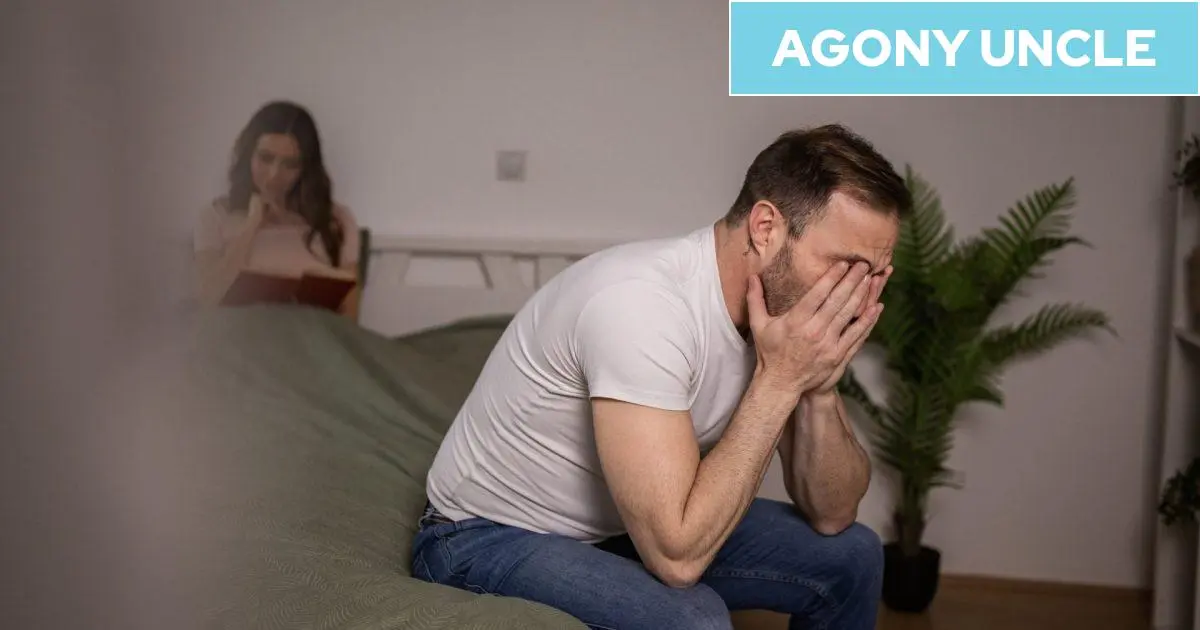
Therapists hear versions of the death fantasy confession often - particularly from women in long marriages with children, and lives that are so intertwined, leaving just doesn't seem possible.
1,653 words~8 min read