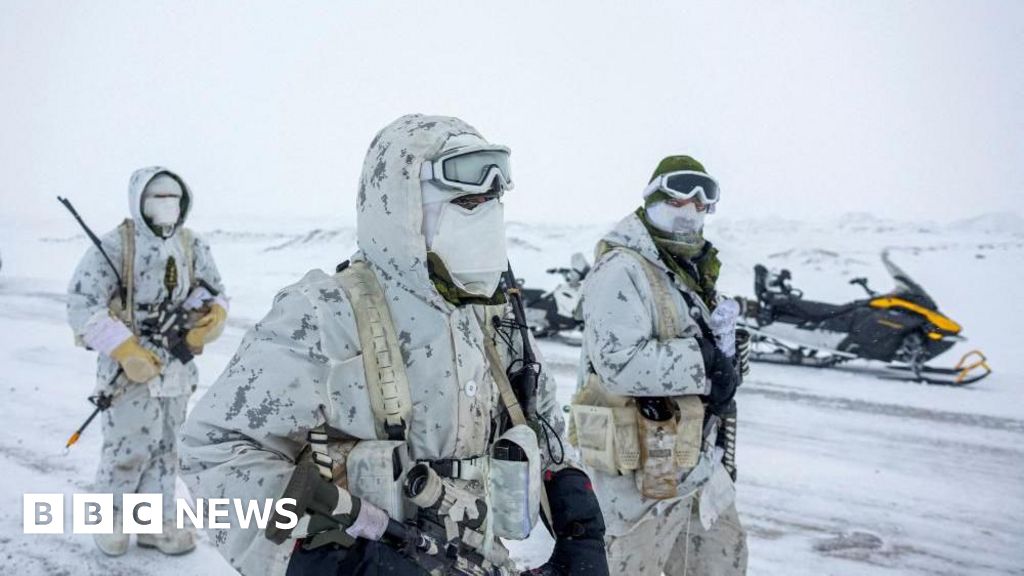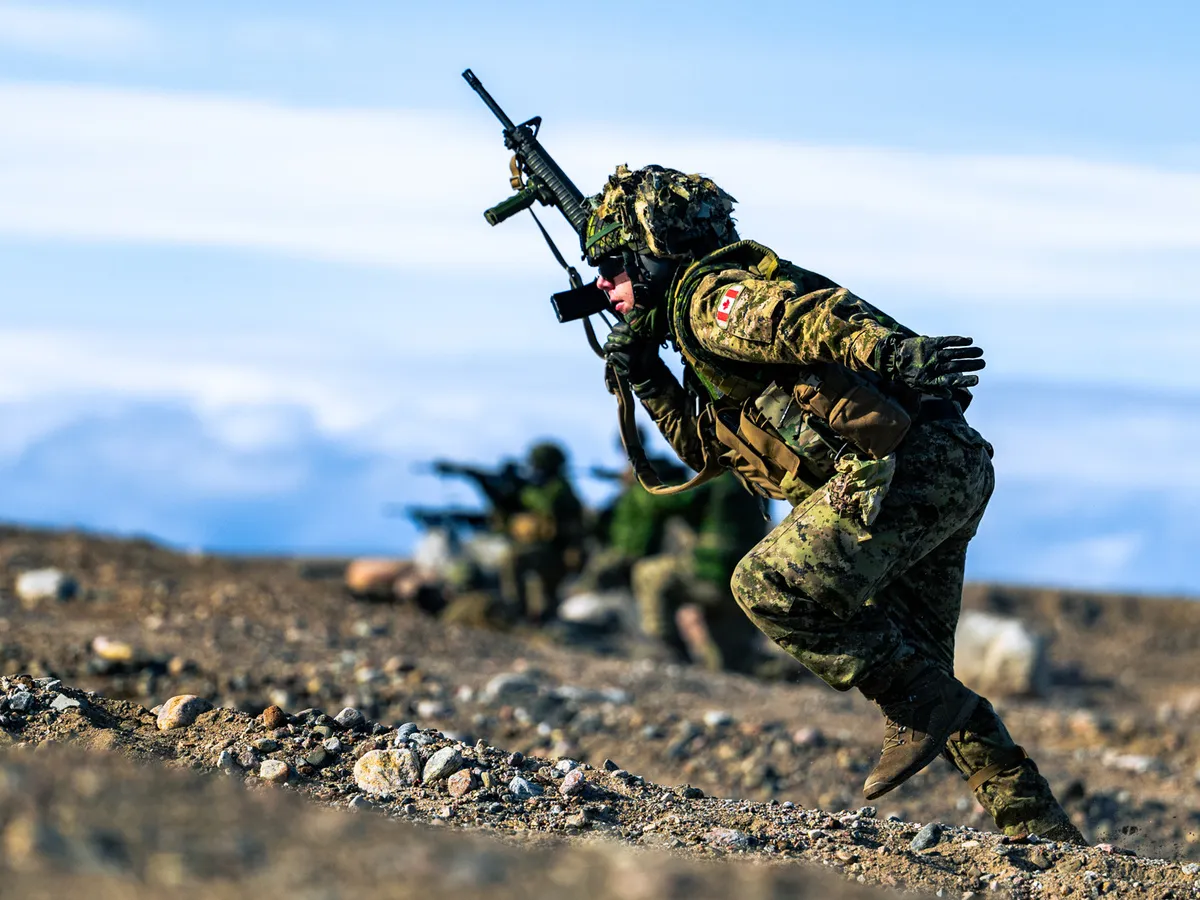
Skip to Content Subscribe Our Offers My Account Manage My Subscriptions FAQ Newsletters Canada Canadian True Crime Canadian Politics Health World Israel & Middle East Financial Post NP Comment Longreads Puzzmo Diversions Comics NP News Quiz New York Times Crossword Horoscopes Life Eating & Drinking Style Sponsored Play for Ontario Travel Travel Canada Travel USA Travel International Cruises Travel Essentials Culture Books Celebrity Movies Music Theatre Television Business Essentials Advice Lives Told Tails Told Shopping Buy Canadian Home Living Outdoor Living Kitchen & Dining Tech Style & Beauty Personal Care Entertainment & Hobbies Gift Guide Travel Guide Amazon Prime Day Deals Savings National Post Store More Sports Hockey Baseball Basketball Football Soccer Golf Tennis Driving Vehicle Research Reviews News Gear Guide Obituaries Place an Obituary Place an In Memoriam Classifieds Place an Ad Celebrations Working Business Ads Archives Healthing Epaper Manage Print Subscription Profile Settings My Subscriptions Saved Articles My Offers Newsletters Customer Service FAQ Newsletters Canada World Financial Post NP Comment Longreads Puzzmo Diversions Life Shopping Epaper Manage Print Subscription HomeNewsCanadaThe Trump era sees Canadians — and Americans — enlisting in the military in swelling numbersIt started before 2025, but the recruiting turnaround in Canada and the U.S. is tied to the economy, policy and a more dangerous world You can save this article by registering for free here. Or sign-in if you have an account.For the last two years, the Canadian Armed Forces have beaten their Regular Force recruiting target, hitting roughly 105 per cent of it this past fiscal year, the highest number in nearly 30 years. Photo by Handout /Canadian Armed ForcesWASHINGTON, D.C. — Military recruitment is rebounding in both Canada and the United States.Enjoy the latest local, national and international news.Exclusive articles by Conrad Black, Barbara Kay and others. Plus, special edition NP Platformed and First Reading newsletters and virtual events.Unlimited online access to National Post.National Post ePaper, an electronic replica of the print edition to view on any device, share and comment on.Daily puzzles including the New York Times Crossword.Support local journalism.Enjoy the latest local, national and international news.Exclusive articles by Conrad Black, Barbara Kay and others. Plus, special edition NP Platformed and First Reading newsletters and virtual events.Unlimited online access to National Post.National Post ePaper, an electronic replica of the print edition to view on any device, share and comment on.Daily puzzles including the New York Times Crossword.Support local journalism.Create an account or sign in to continue with your reading experience.Access articles from across Canada with one account.Share your thoughts and join the conversation in the comments.Enjoy additional articles per month.Get email updates from your favourite authors.Create an account or sign in to continue with your reading experience.Access articles from across Canada with one accountShare your thoughts and join the conversation in the commentsEnjoy additional articles per monthGet email updates from your favourite authorsSign In or Create an AccountorFor the last two years, the Canadian Armed Forces have beaten their Regular Force recruiting target — hitting roughly 105 per cent of it this past fiscal year, the highest number in nearly 30 years — while U.S. armed services met and exceeded recruiting targets by three per cent in 2025.The U.S. military and its recruiting efforts have consistently been top of mind for President Donald Trump. In fact, less than two months after his second inauguration, he took credit for record recruitment while addressing Congress in March 2025.Get a dash of perspective along with the trending news of the day in a very readable format.By signing up you consent to receive the above newsletter from Postmedia Network Inc.A welcome email is on its way. If you don't see it, please check your junk folder.The next issue of NP Posted will soon be in your inbox.We encountered an issue signing you up. Please try again“We couldn’t recruit anywhere. We couldn’t recruit. Now we’re having the best results,” he said in what was to become a recurring theme in his speeches.Last week, while en route to the NATO summit in Turkey, where the focus was largely on defence burden-sharing, Trump posted on social media to celebrate the military’s growing strength.“The United States Military has never been stronger, or more powerful. No other Nation can do what we do (It’s not even close!). This year we set even more Historic Recruiting Records, months ahead of schedule. Morale has never been higher,” he wrote.Technically, the recruiting rebound in the U.S. got its start before Trump’s second term, said Katherine Kuzminski, director of studies at the Center for a New American Security in Washington who focuses on military personnel.“We saw this rebound begin in the Biden administration and then continue through the Trump administration, and that was after about three years of real struggle across the services to reach their military recruitment goals,” she said.She and her colleagues instead point to other factors driving Canadians and Americans to enlist, including practical changes like administrative reforms, pay increases, and eligibility changes. And all of it amid intensifying geopolitical tensions and a rough economy, especially for young people.Canada sped up intake by reducing administrative friction: applicants can now move through digital onboarding faster, enroll before all screenings are complete, and qualify under broader eligibility rules, including for permanent residents.The administrative changes in Canada have eased earlier bottlenecks and long processing times that often saw military candidates opt instead for civilian jobs, said Richard Shimooka, a senior fellow at the Macdonald-Laurier Institute.“They had enough people trying to enlist (before)… the problem was they just couldn’t get them into uniform,” Shimooka said. “Part of it is just that the system is better now.”The U.S. used a different but related approach, relying on prep courses and medical-waiver reform.Kuzminski says a big part of the American rebound was the Future Soldier and Sailor Prep Courses that help unqualified recruits to train to meet the physical and academic standards for joining the military. This, she said, accounted for roughly a quarter of the U.S. Army’s recruits in 2024 alone.“Without this program, the army would not have met its recruiting targets.”Some analysts see pay raises in both countries as being helpful but not determinant. Canada announced a new tiered pay package last August that increased entry-level pay by 20 per cent. The U.S., meanwhile, approved a 3.8 per cent military salary raise for this year and offered higher housing and living allowances.But regular pay increases for the military are nothing new, Kuzminski noted.Charlotte Duval-Lantoine, vice-president of Ottawa operations at the Canadian Global Affairs Institute, is skeptical that higher pay has really moved the needle on recruitment.“Money is an important motivator… but it usually doesn’t feature as the first reason people join,” she said.“The money might be the cherry on top, rather than the main motivator,” she added, noting how it can help with retention.Because so many things changed at the same time, Shimooka says it’s impossible to attribute the surge to pay alone, but he acknowledges that the poor state of the Canadian economy and weak labour market can boost the appeal of stable military employment.“With youth unemployment high, the military providing a pretty stable base is one of the big reasons,” he said. Canada’s unemployment rate for youth aged 15-24 was 12.7 per cent in June, nearly double the 6.5 per cent average national rate. In the U.S., youth unemployment was 9.2 per cent, which was more than double the 4.5 per cent national rate.Kuzminski agrees that the state of the economy can make the military more attractive.“When employment is bad, we see an increase in the appeal of military service,” she said, noting how recruiters often look for people who are “on the cusp” and may be driven by the need for a steady income.While the rebound started before Trump’s second win and return to office, experts say he has helped raise the profile of military service.He’s had an indirect impact, for example, by reviving the Presidential Fitness Test — which helps keep young people fit enough for enlistment — and by raising awareness of the military’s role. His rhetoric against Canada has also stirred nationalist sentiment north of the border.But it’s less politics driving up the numbers and more a sense of purpose and stability, Kuzminski suspects. The politics matter more for parents of recruits and older military personnel.“There aren’t a lot of 18-year-olds joining based on who the president is,” she said. “The things that drive them are a steady paycheque and a sense of service.”Trump has also increased pressure on NATO allies to up their military spending, which Canada has agreed to increase significantly.In Canada, Duval-Lantoine noted that the rebound started with the Ukraine war, but she acknowledges that increased public awareness of military careers is helping. This, combined with a security environment that feels more dangerous, with more need for military strength, means people now see the military as a stable, supported career path.“Now you are way more aware of the military as a career … that already makes it more attractive,” she said.Kuzminski said the same is true in the United States, and she credits Trump’s contribution in highlighting the value of serving.His focus on it “raises the visibility of the importance of military service,” she said, pointing to how this is making a career in the armed forces a “viable option” as opposed to a “fallback.”“There is no question that (Secretary of War Pete) Hegseth’s showmanship and emphasis on excellence and war fighting resonate with the troops,” added Mark Cancian, senior adviser with the defence and security department at Washington’s Center for Strategic and International Studies. “He has created excitement.”The demographic situation in the U.S. is different than in Canada, though: American birth rates plummeted for years in the wake of the 2008–09 financial crisis, meaning the U.S. military will face a big drop in people of recruitment age for the next few years.“We will see a 13 per cent decline in the population of Americans turning 18 between now and 2040,” she said, noting that future recruitment may have to aim at higher age groups.Canada didn’t face the same shock to birth rates. Shimooka said there should remain a stable pool for recruiting.“Even if recruits drop 20 per cent, they still have an overabundance to choose from,” he said.National Posttmoran@postmedia.comOur website is the place for the latest breaking news, exclusive scoops, longreads and provocative commentary. Please bookmark nationalpost.com and sign up for our newsletters here. Join the Conversation This website uses cookies to personalize your content (including ads), and allows us to analyze our traffic. Read more about cookies here. By continuing to use our site, you agree to our Terms of Use and Privacy Policy.
The Trump era sees Canadians — and Americans — enlisting in the military in swelling numbers
It started before 2025, but the recruiting turnaround in Canada and the U.S. is tied to the economy, policy and a more dangerous world.
1,768 words~8 min read