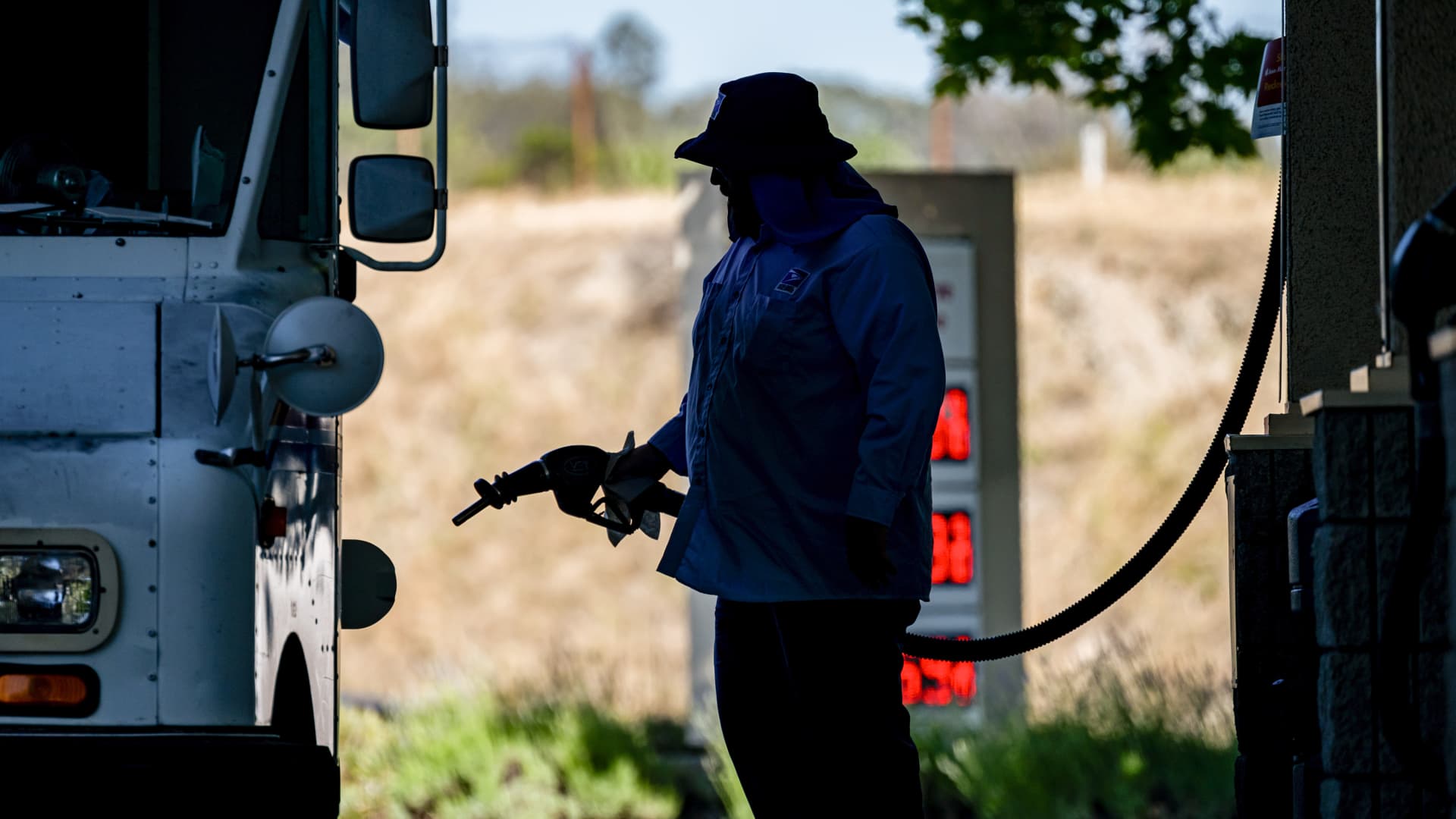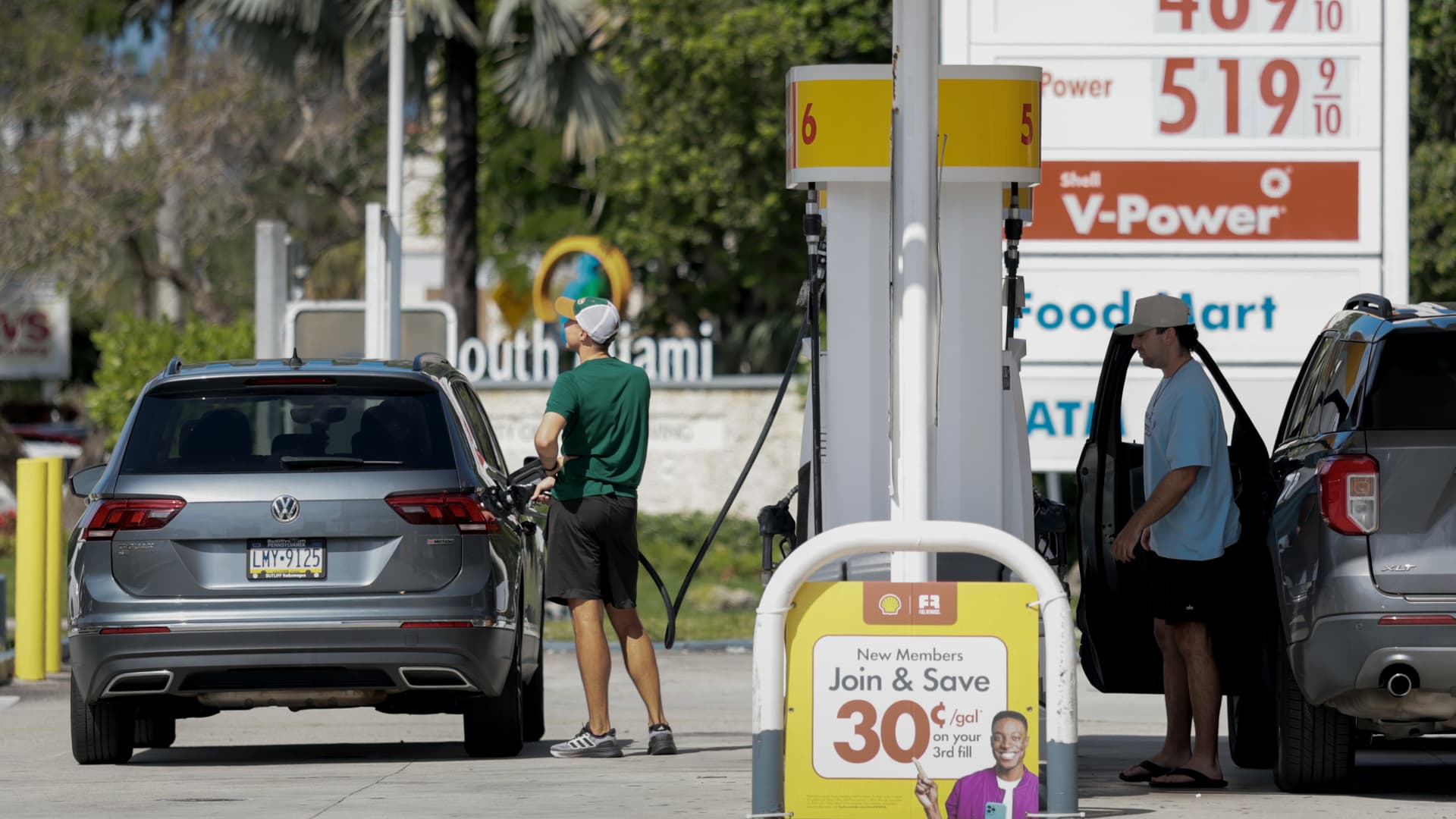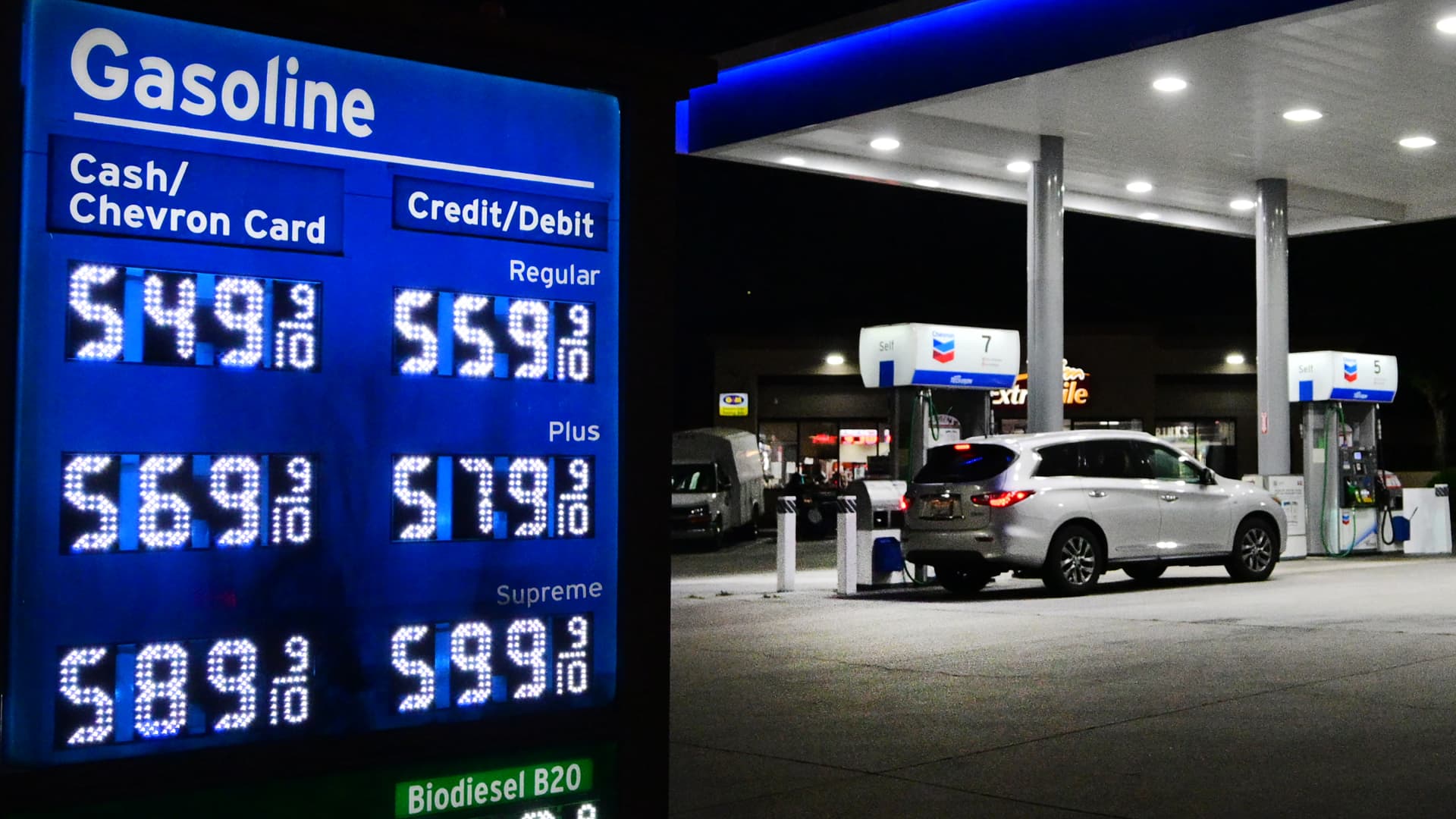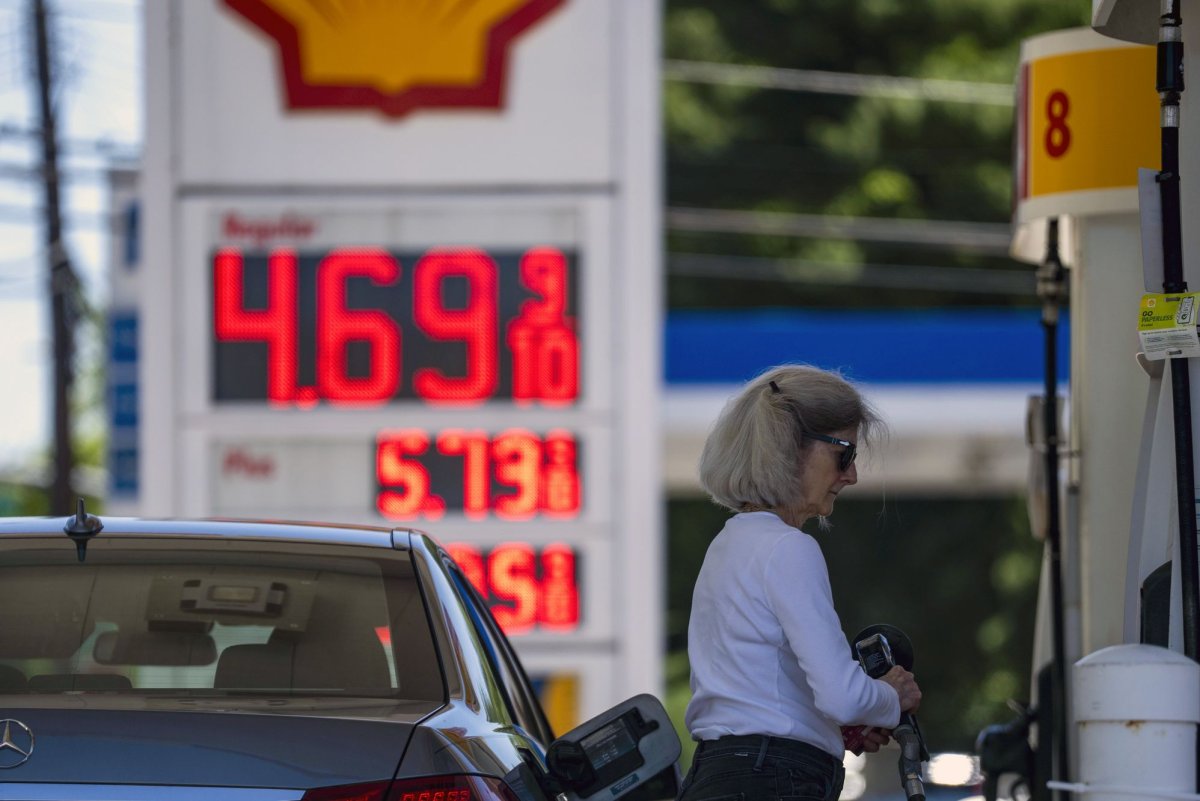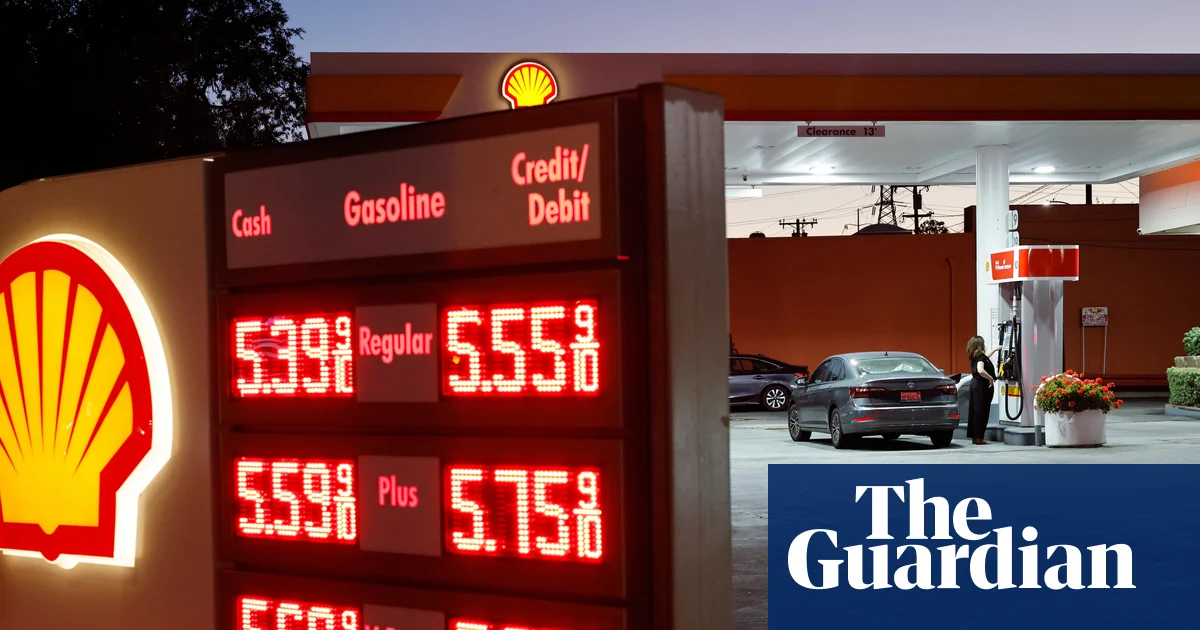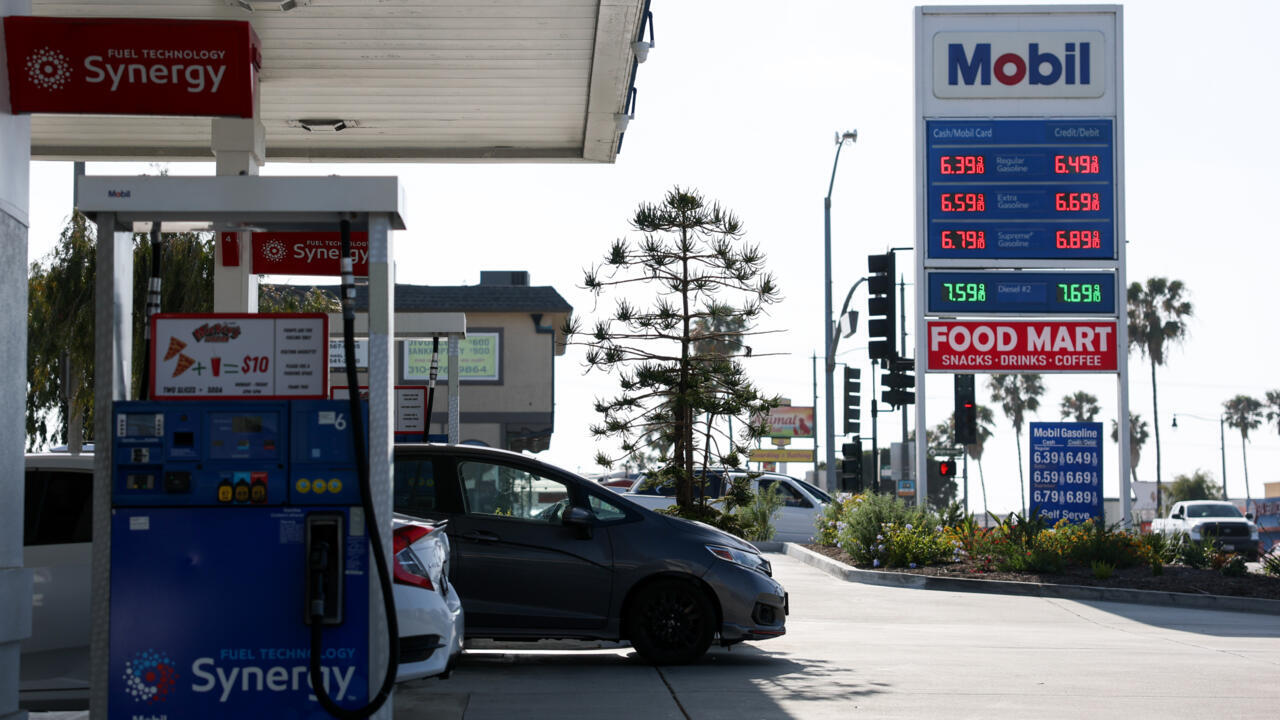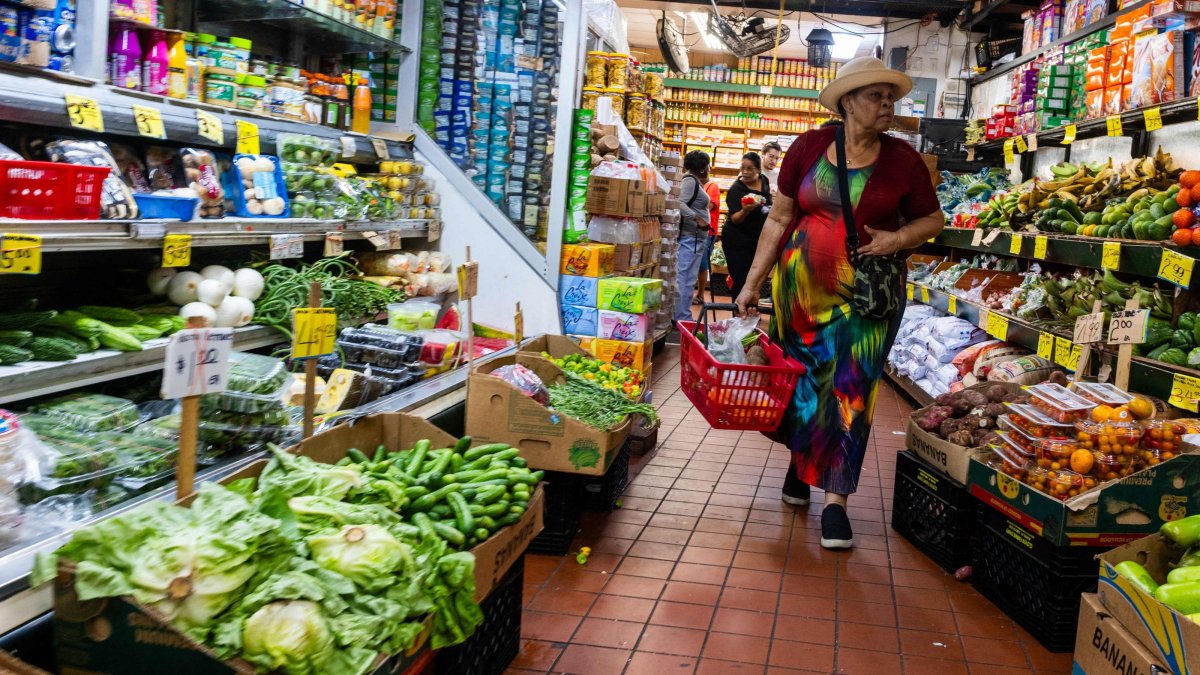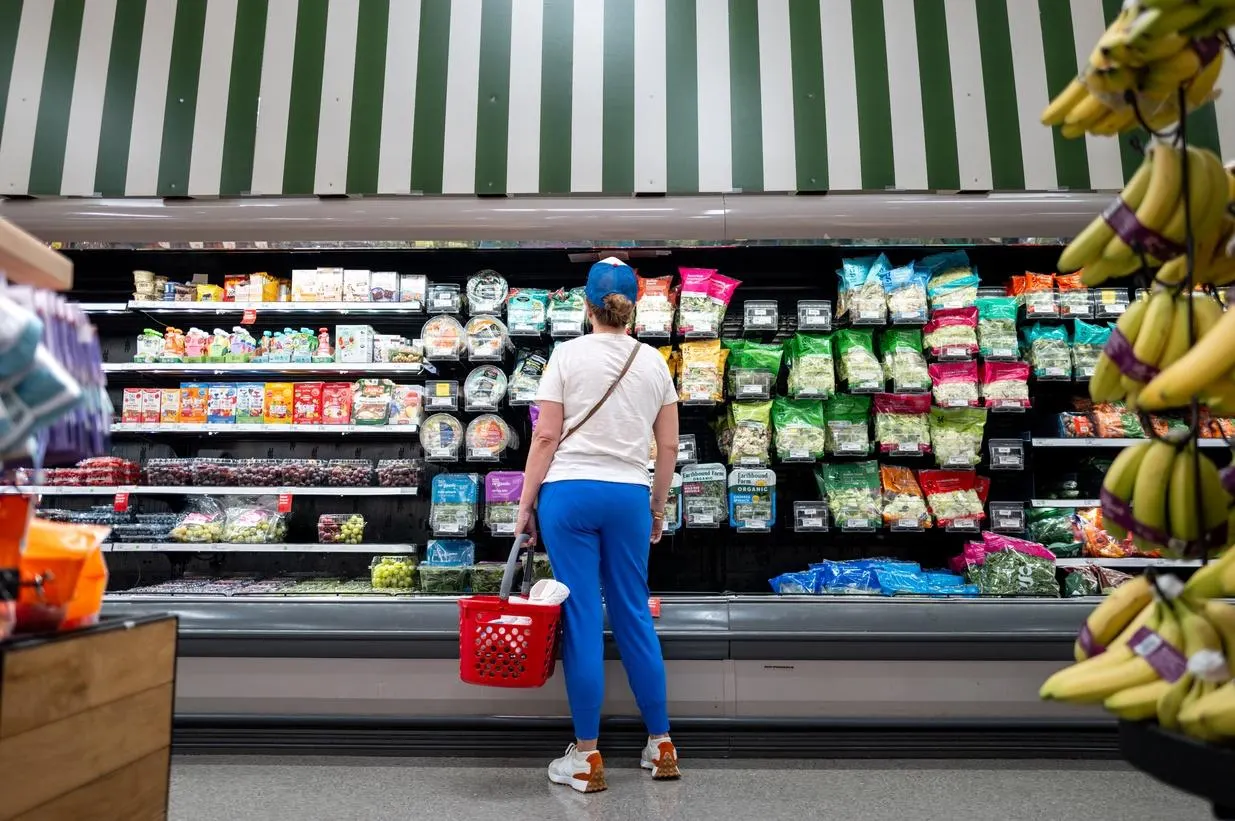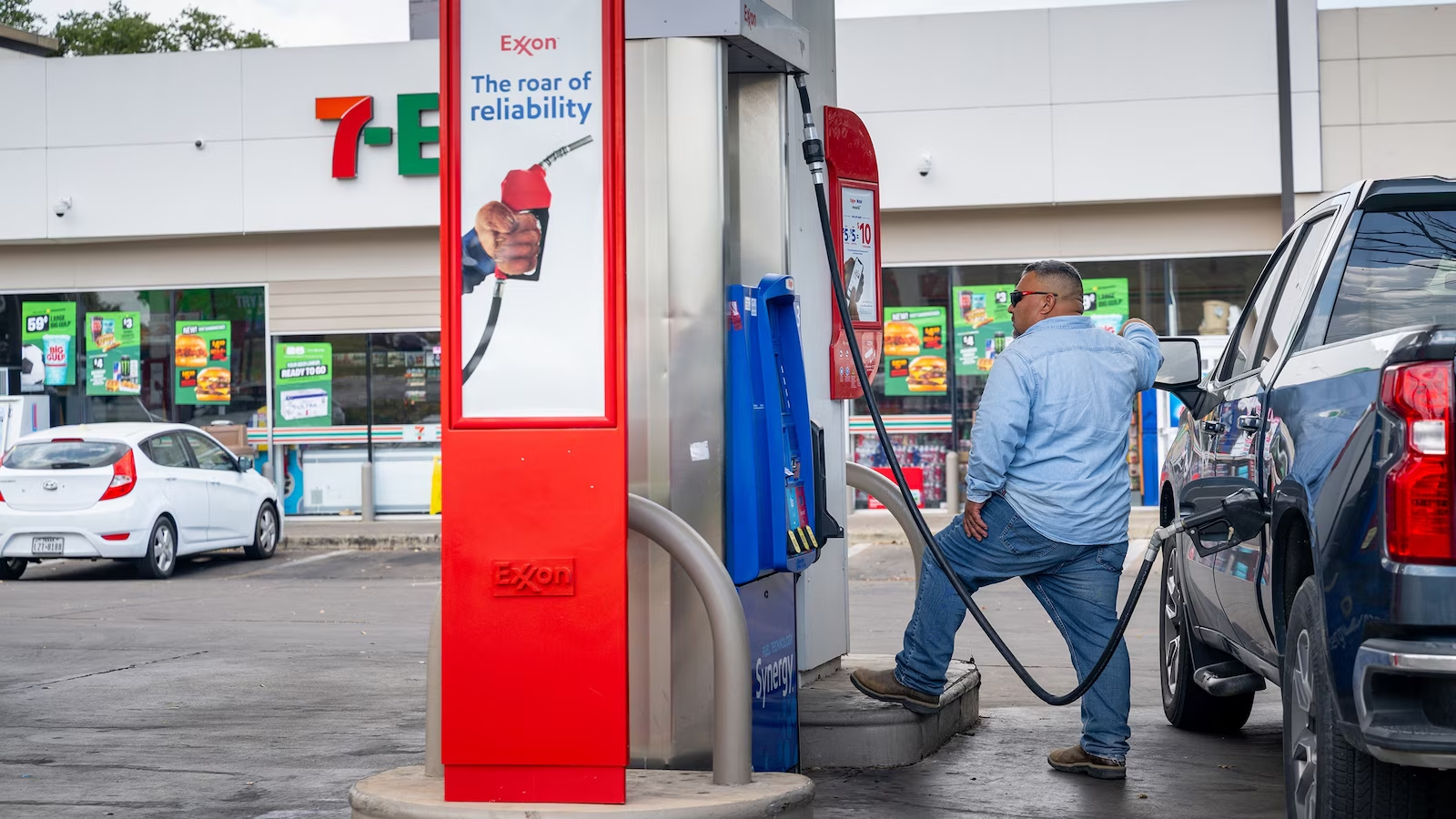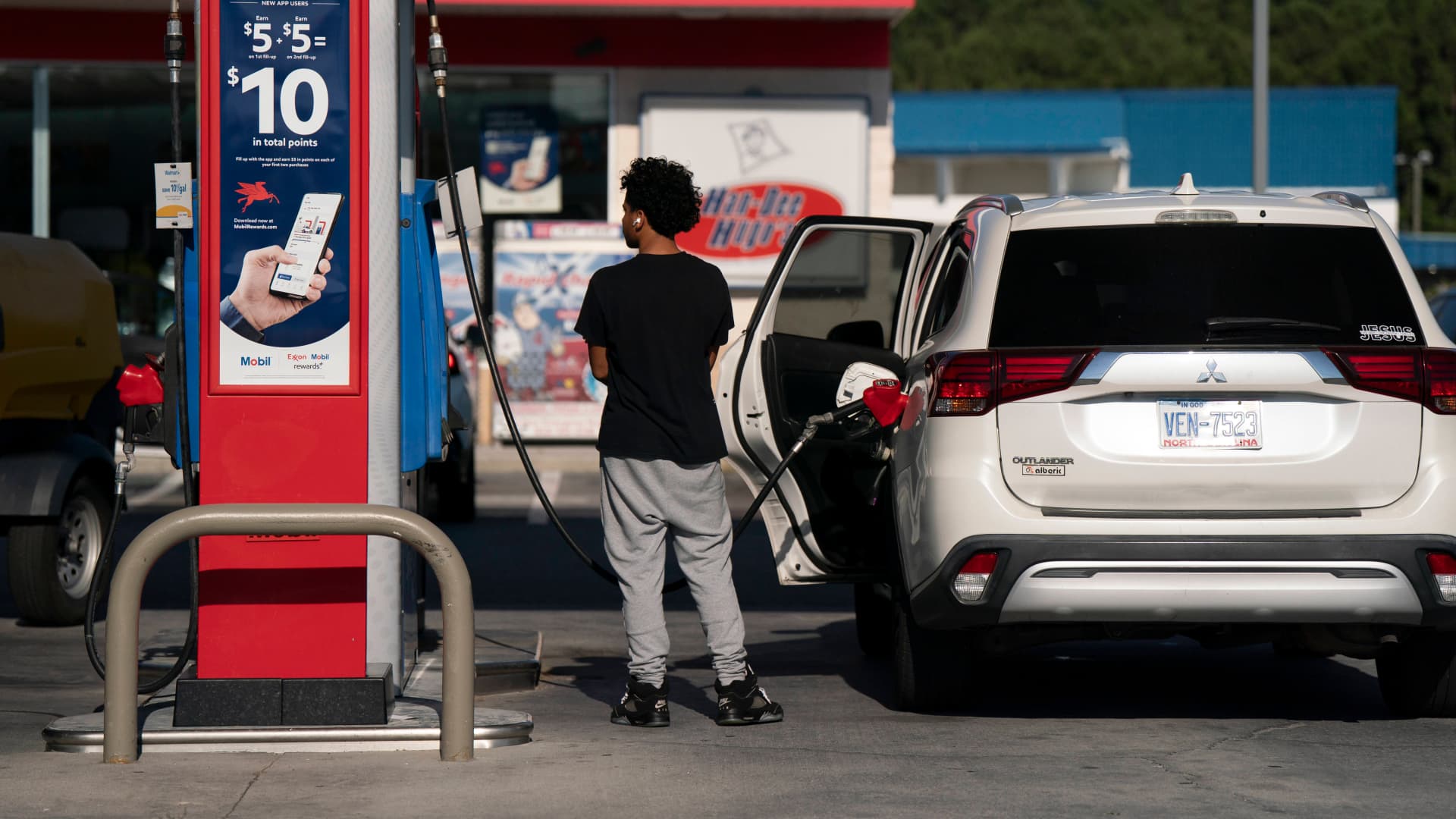
A driver refuels a vehicle with regular gasoline in Wilmington, North Carolina, US, on Wednesday, July, 1, 2026. Allison Joyce | Bloomberg | Getty ImagesConsumer prices pulled back in June on the heels of lower energy and gasoline prices, a reversal after moving sharply upward in recent months due to the Iran war. However, inflation risks re-igniting in coming months amid renewed hostilities between the U.S. and Iran, economists said. The consumer price index, an inflation barometer, rose 3.5% in June from 12 months earlier, the Bureau of Labor Statistics said Tuesday. That's down from 4.2% in May — the first decline in the annual inflation rate since January, when it stood at 2.4%. "It suggests the worst is over, we're past the peak and inflation should moderate," said Mark Zandi, chief economist at Moody's. "The biggest threat is that things unravel and we're back to full-blown war with the Strait [of Hormuz] shut down," he said. That could push interest rates higher. The inflation rate is one of the economic indicators the Federal Reserve uses to guide interest rate decisions. Prior to this latest CPI reading, policymakers at the U.S. central bank had recently signaled an increase in borrowing costs could be on the table to try to contain inflation. The Fed aims for an annual inflation rate around 2% over the long term. Barring renewed tensions, economists said that inflation should moderate, likely keeping the Fed from increasing borrowing costs. "We think inflation will continue the process of slowing down over the coming year," said Tom Porcelli, chief economist at Wells Fargo. "We don't see a compelling reason at this point for the Fed to raise rates."U.S.-Iran escalation could reignite inflationThe U.S. and Iran reached a temporary ceasefire deal in mid-June to try to end the conflict that erupted Feb. 28, when the U.S. and Israel bombed Iran. Global oil prices declined substantially throughout June, from more than $90 per barrel to roughly $73 per barrel by the end of the month. Prices for gasoline, which is refined from crude oil, and other fuels and energy products fell dramatically as a result. Gasoline prices fell about 10% in June while fuel oil declined 9% and the broader energy category declined 6%, according to the inflation data issued Tuesday. However, each is up by double digits over the past year: By 27%, 43% and 16%, respectively. Since energy and fuel are major cost inputs for businesses — fuel to power airplanes and transport food to grocery stores, for example — consumers have seen prices rise to varying degrees elsewhere, too.The price reprieve in June may be short-lived amid flaring tensions in the Middle East. That U.S.-Iran ceasefire deal appears increasingly fractured after the adversaries exchanged hostilities for a third consecutive day on Tuesday. Global oil prices had risen to about $86 per barrel as of 9:45 a.m. ET on Tuesday."A serious re-escalation of the conflict would threaten to revive the key upside risk to inflation and raise the odds of rate hikes," Goldman Sachs Research wrote in a note on Sunday.Largest one-month drop since April 2020watch nowOverall, the consumer price index declined by 0.4% on a monthly basis in June — the largest one-month decrease since April 2020, at the onset of the Covid-19 pandemic, the BLS said. The energy index was the largest contributor to that decrease, "more than offsetting" increases in other indexes like those for shelter and food, the BLS said. But there were declines elsewhere, too. The price for new vehicles remained steady during the month. Used car and truck prices declined 0.2% in June, bringing the annual decline to about 2%, likely due to weak consumer demand amid affordability concerns for cars, Zandi said. Apparel and electricity prices were also down "big time" during the month, while medical services prices also decreased and housing was "barely up," Zandi said. However, he doesn't expect all these trends to continue, and chalked up some of the price weakness to data "anomalies" that can occur in CPI reports from time to time. Indeed, specific categories within the broader CPI report can surge or fall back amid various supply and demand issues. For example, beef roast prices are up about 14% over the past year amid a decades-low cattle supply. Tariffs and adverse weather also pushed up tomato prices 20% in the past year, though they've recently begun falling back. Ultimately, "there are a lot of gravitational forces at work that should push inflation back to target — assuming the war doesn't go off the rails again," Zandi said.
Here’s the inflation breakdown for June 2026 — in one chart
The consumer price index rose 3.5% in June from a year earlier, a deceleration after several months of upward moves.
761 words~3 min read