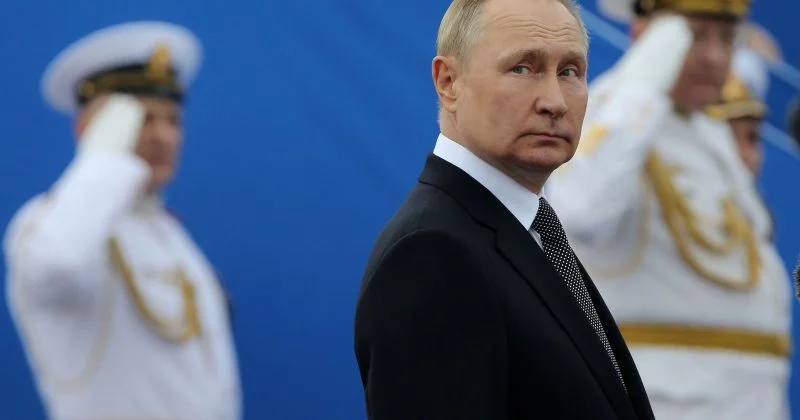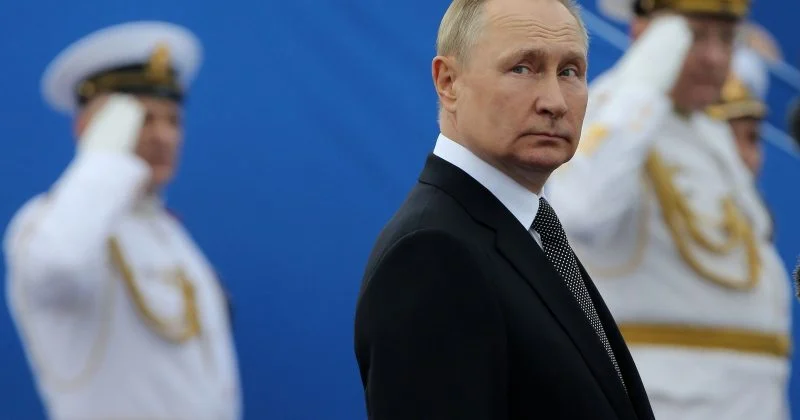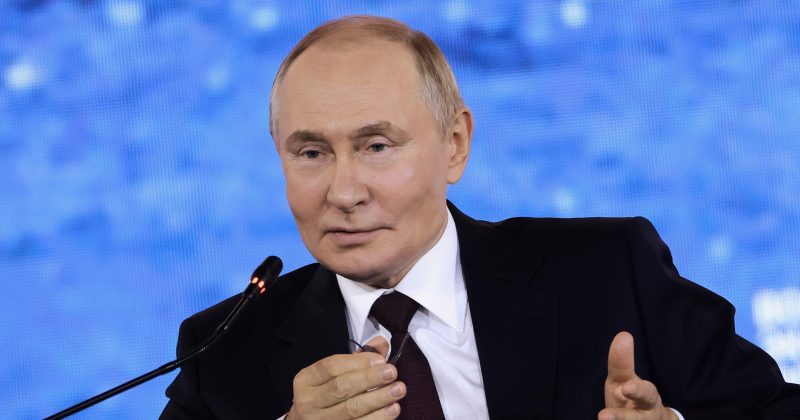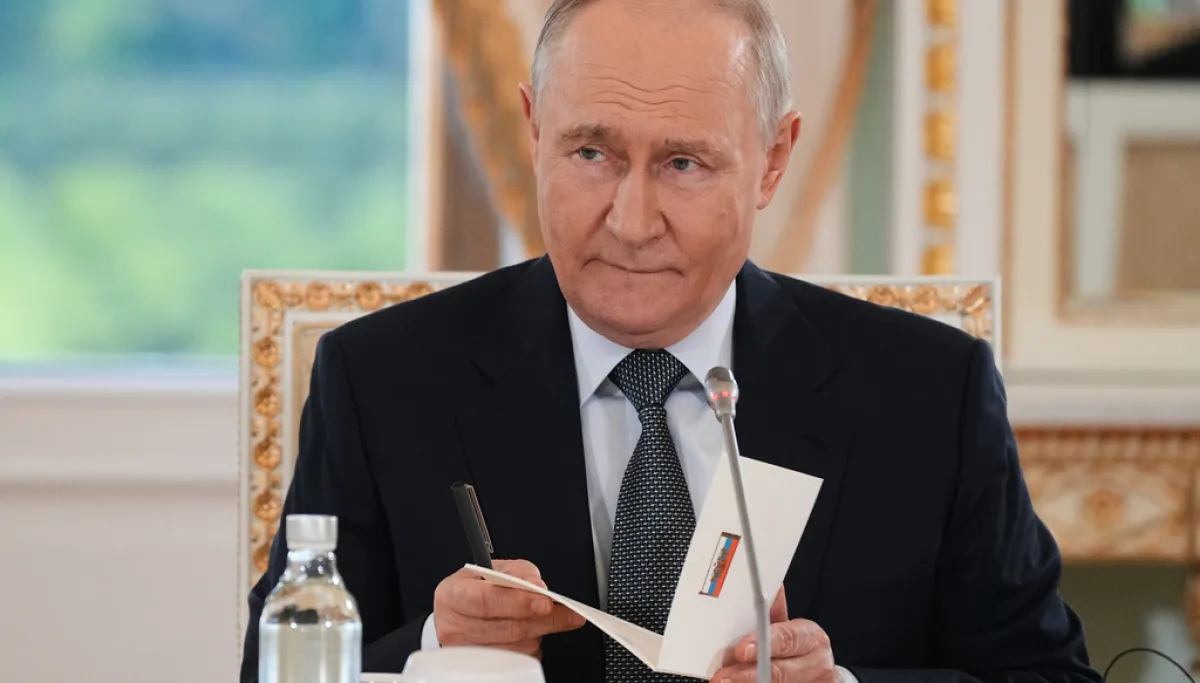
Vladimir Putin is experiencing increasing pressures due to the ongoing conflict in Ukraine, as reported by social media sources. The Russian military campaign, initiated in February 2022, has largely stalled, and domestic issues such as fuel shortages, inflation, and rising casualty rates are contributing to growing discontent. The conflict has now reached its fifth year, with Russian forces advancing at a historically slow pace and encountering significant resistance from Ukrainian troops. Ukraine’s strategic strikes on Russian logistics and resources have further strained Russia’s war economy, exacerbating the challenges faced by the Kremlin.
Key Takeaways
Market pricing suggests that the pressures on Putin may lead to a decrease in military aggression, potentially lowering the likelihood of Russian forces entering Sloviansk by the end of 2026.
The current odds for a Russian entry into Sloviansk by December 31, 2026, stand at 21% YES, reflecting market perceptions of the ongoing military stalemate and economic strain.
Ceasefire prospects between Russia and Ukraine are currently priced at 41% YES for an agreement by December 31, 2026, indicating moderate market confidence in diplomatic resolutions.