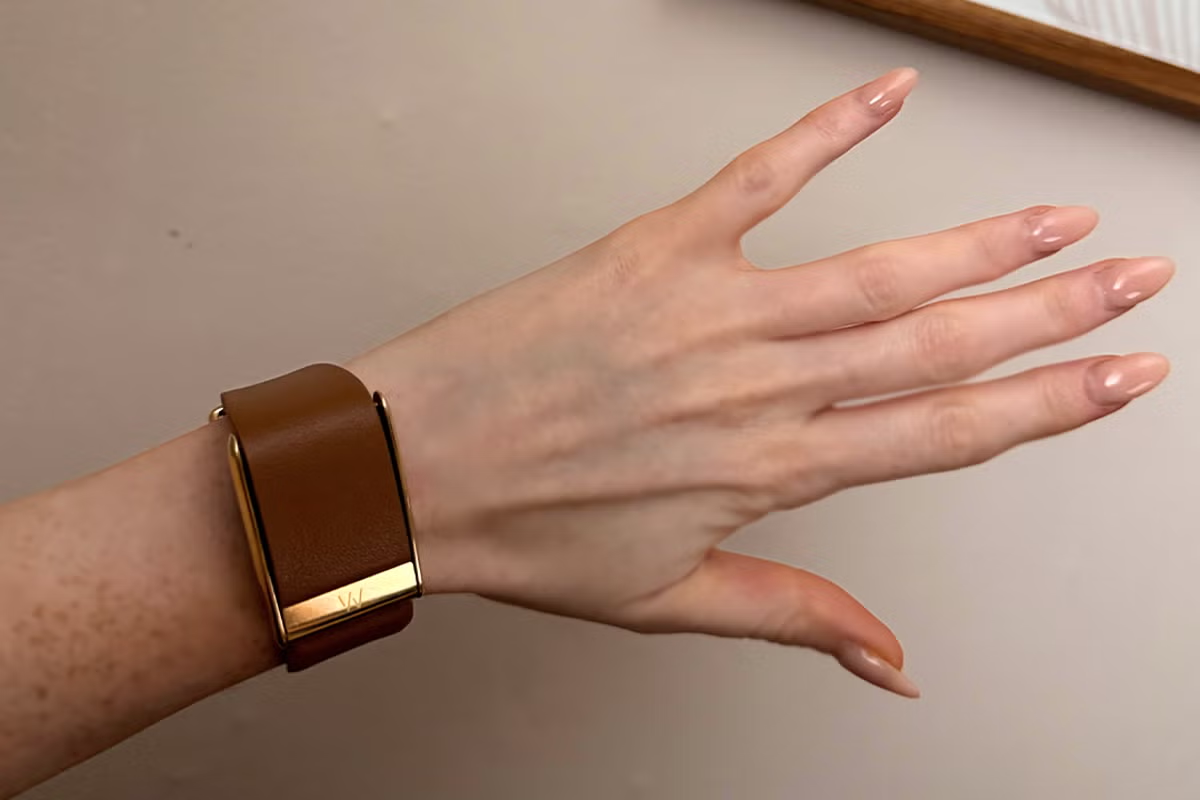
I would’ve bought a wearable health tracker a lot sooner if they all weren’t so ugly.
I don’t want a glowing screen on my wrist, and the woven Whoop bracelet looks like something I would’ve made at summer camp. But in the last few months, both RingConn and Oura have launched slimmer hardware that actually blends in with jewelry, so you don’t have to scream to the world that you’re currently monitoring your blood-oxygen level.
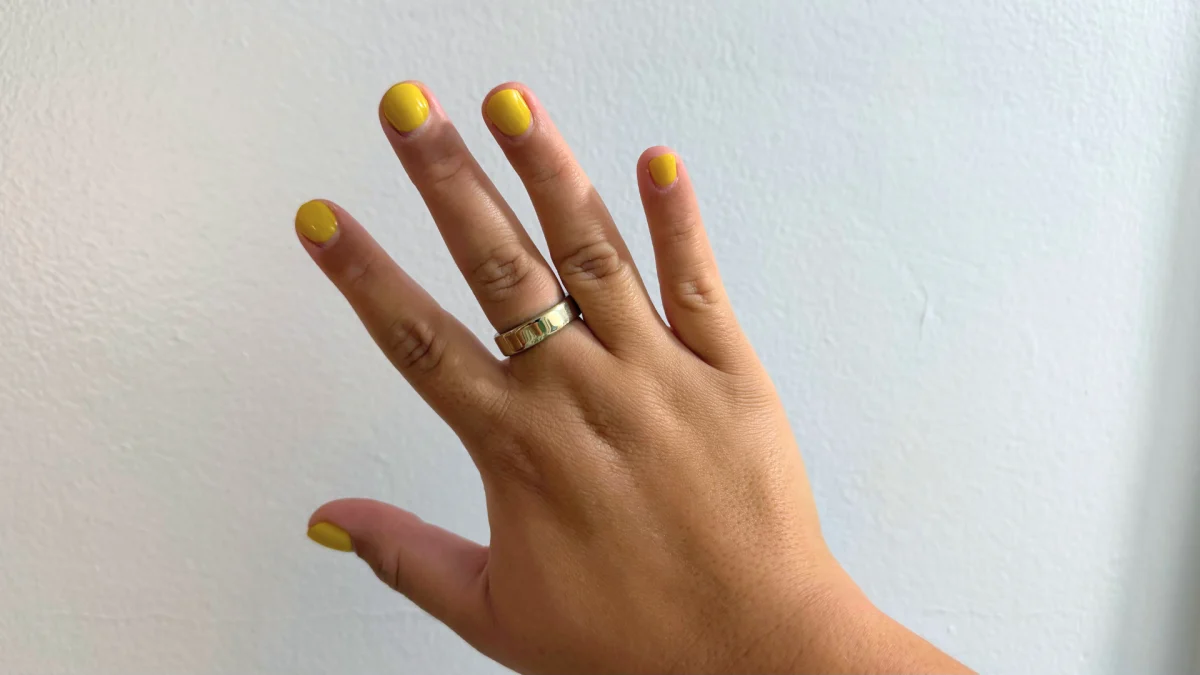
So, against my better judgement — and the knowledge that I am giving a tech company my health data for no reason — I bought my first daily wearable health tracker: the RingConn 3. Roughly ten days later, I was relieved to find out that I was still within the two-week return period and dropped it off at the post office.
Image Credits:RingConn
Between the RingConn 3 and the Oura Ring 5, I opted for the RingConn simply because it is less expensive, starting at $349 compared with Oura’s $399 starting price. That’s not a huge difference, but Oura also requires users to pay for a $6 monthly subscription to use a device they already paid for, which is the sort of blatant money-grabbing tactic that I think a CFO devises as he twirls his mustache and cackles. I do not want to appease the mustache-twirling man.