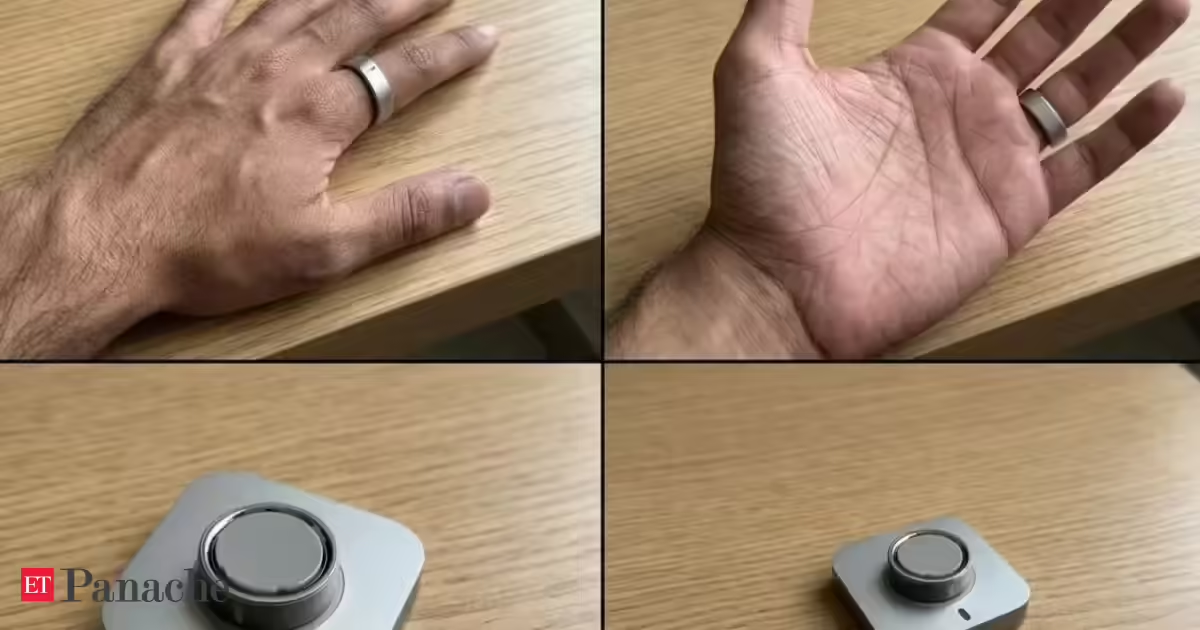
Smart watches and other gizmos that track your health and fitness were all the rage. Now, their popularity has cooled off and sales are flat or even declining—except for one category, which has doubled. That’s according to Tom Hale, who leads the smart ring firm Oura, whose flagship $349 Ring 4 device is enjoying a surge of consumer demand, especially from women.
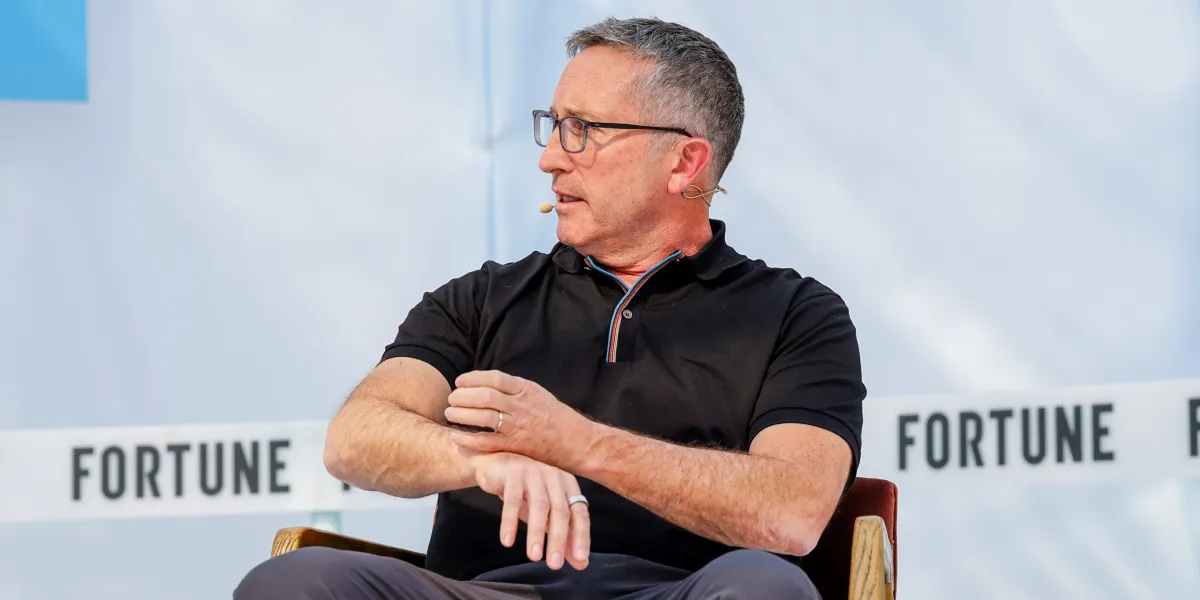
“Last year wrist-borne wearables actually shrank, there was a shift to smaller cheaper wrist-borne wearables primarily driven in India and in Asia while Ring wearables, we basically doubled in size,” Hale said on Monday, speaking at Fortune’s Brainstorm Tech conference in Park City, Utah. “So we’re growing at north of 100%.”
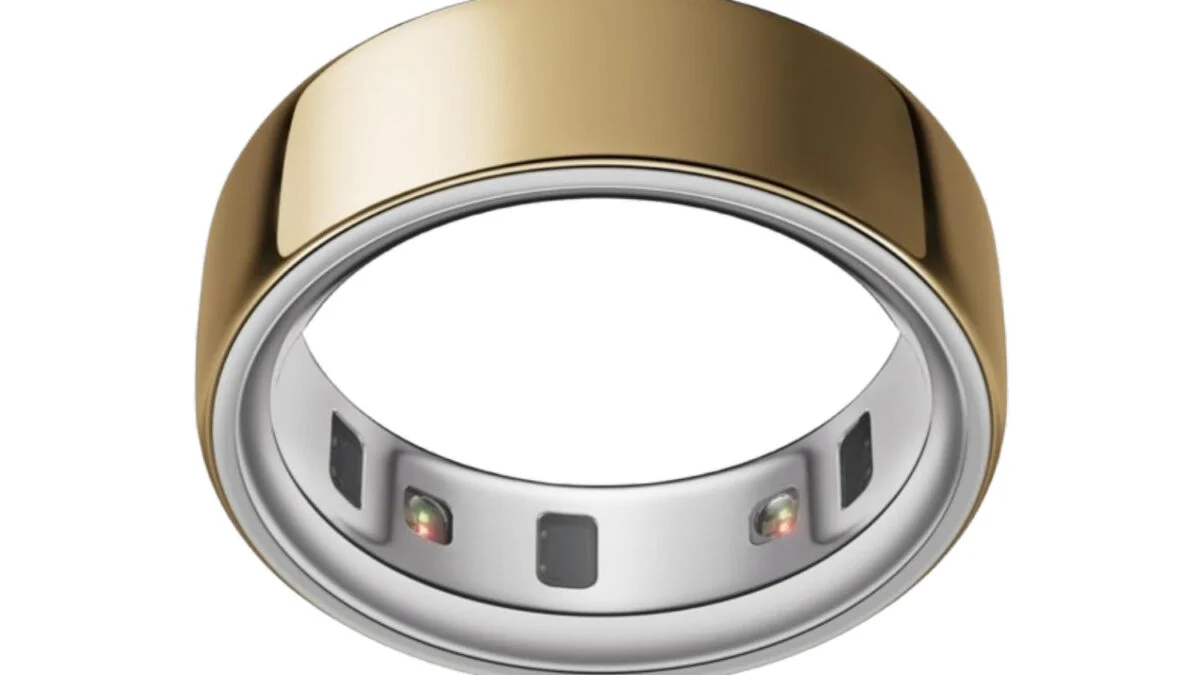
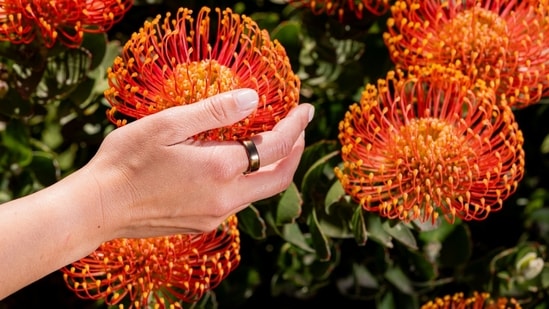
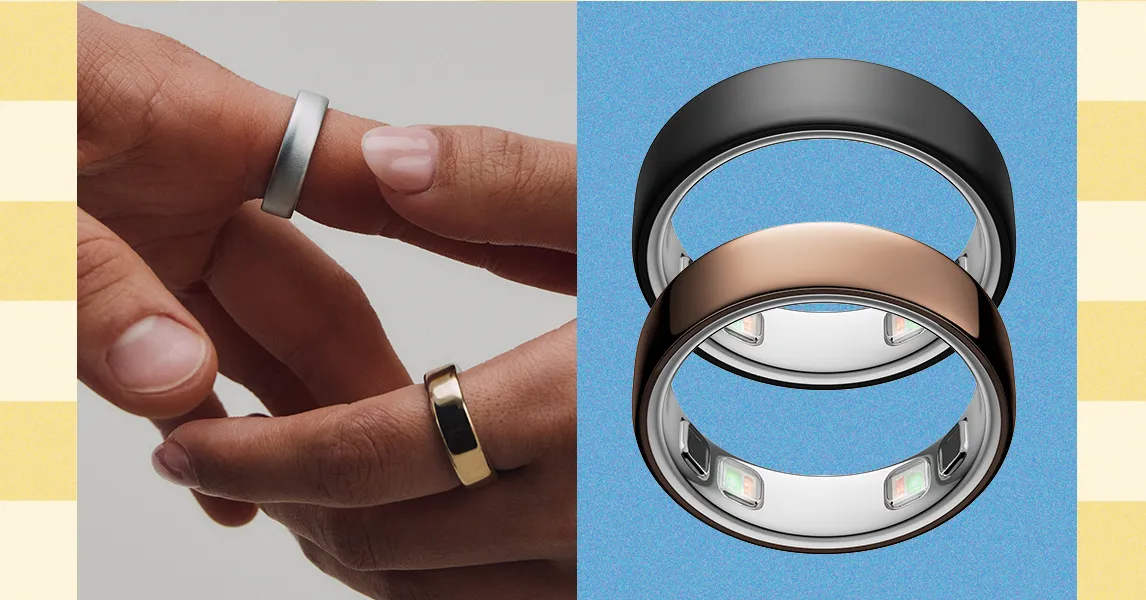
The Oura ring is a chunky band that comes in a series of colors, including silver and black. Like other devices, it contains a series of sensors that help the user monitor sleep, stress levels and other health indicators. The accompanying Oura app can also provide women with data about their menstrual cycles and perimenopause symptoms.
The device also includes Oura Advisor, an AI agent that serves as a personal health coach and correspondent. Hale says female customers, in particular, are drawn to the feature, and that interviews with customers show the advisor has taken on a role akin to a trusted confidante.